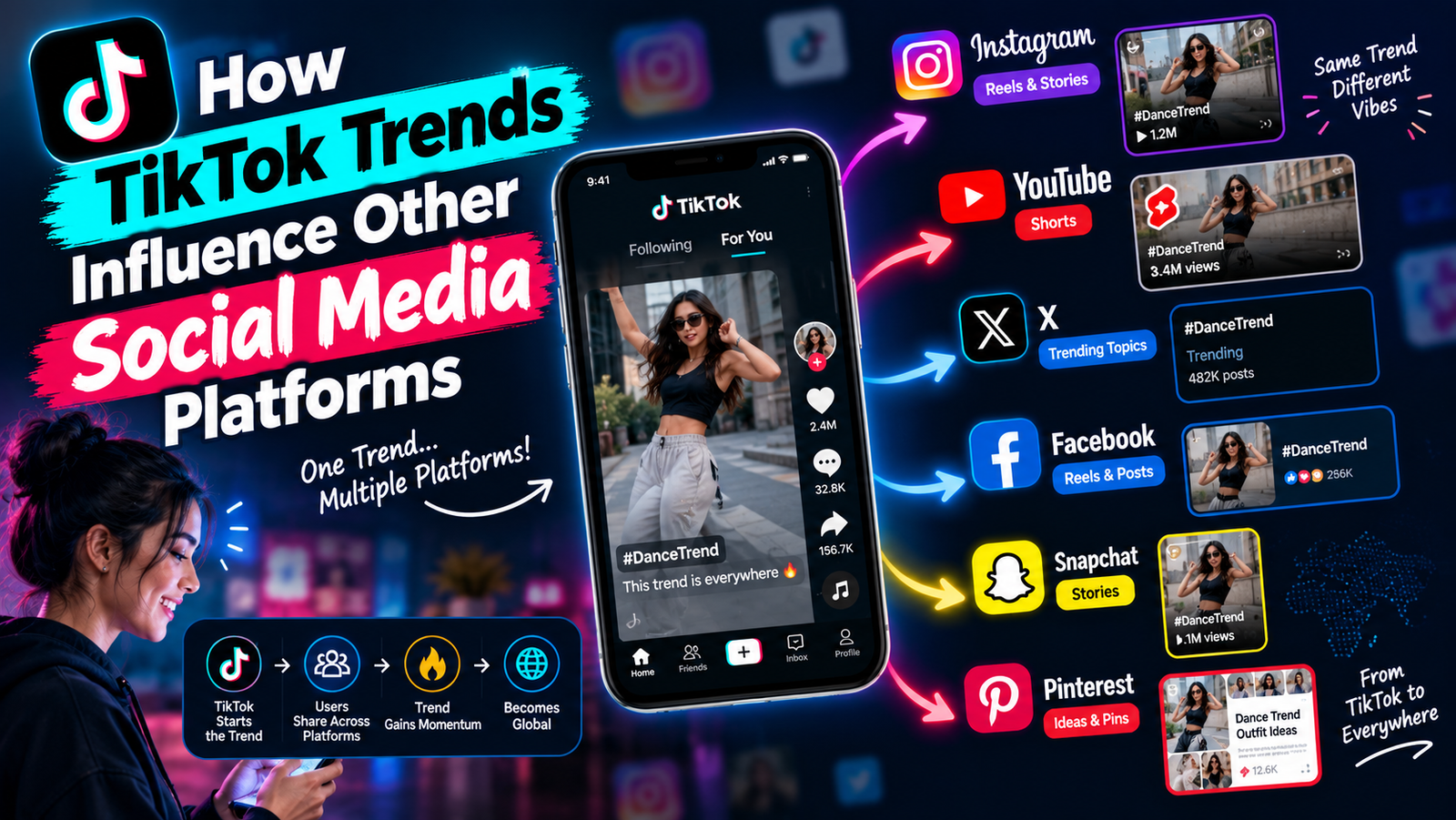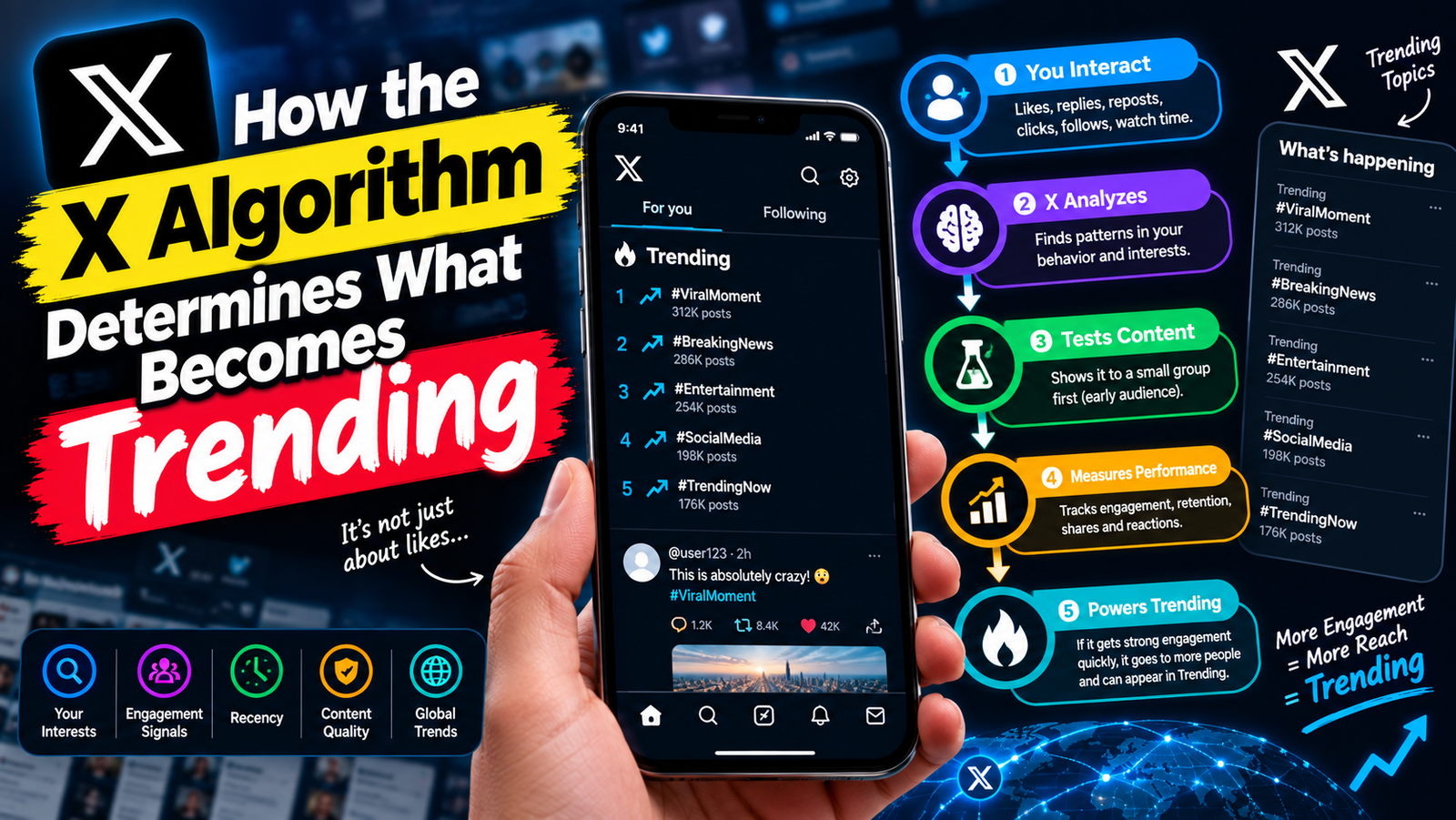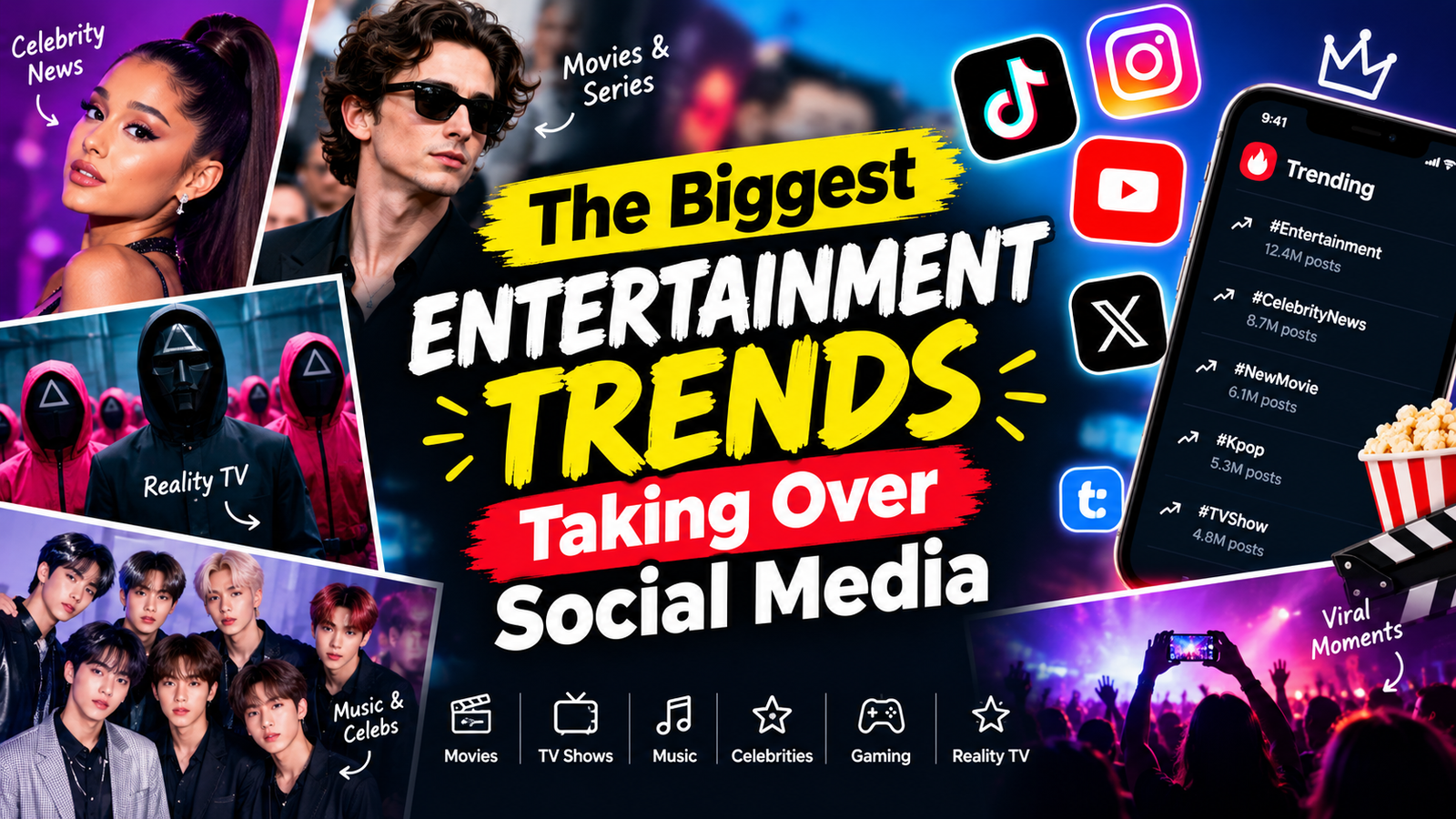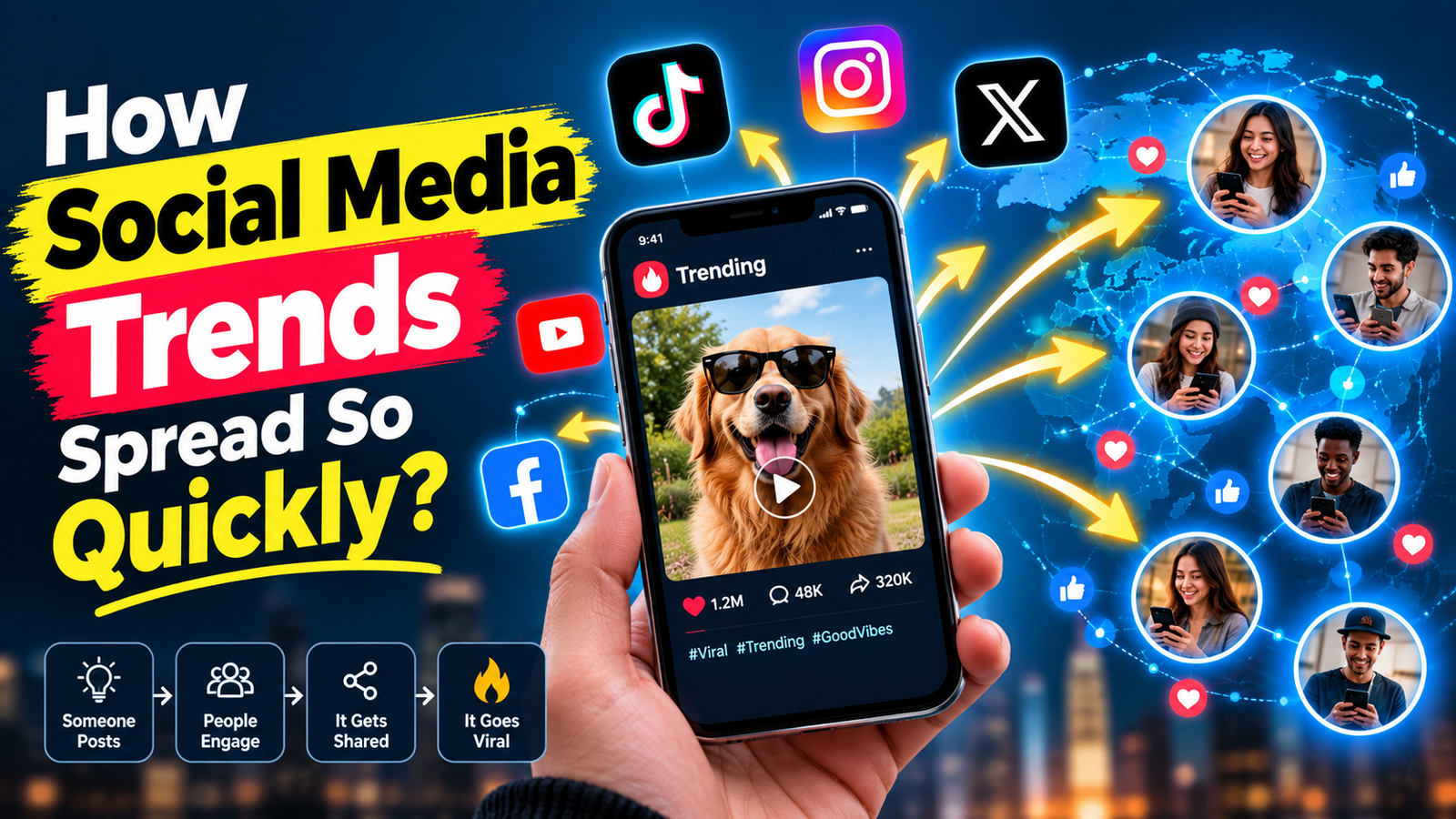




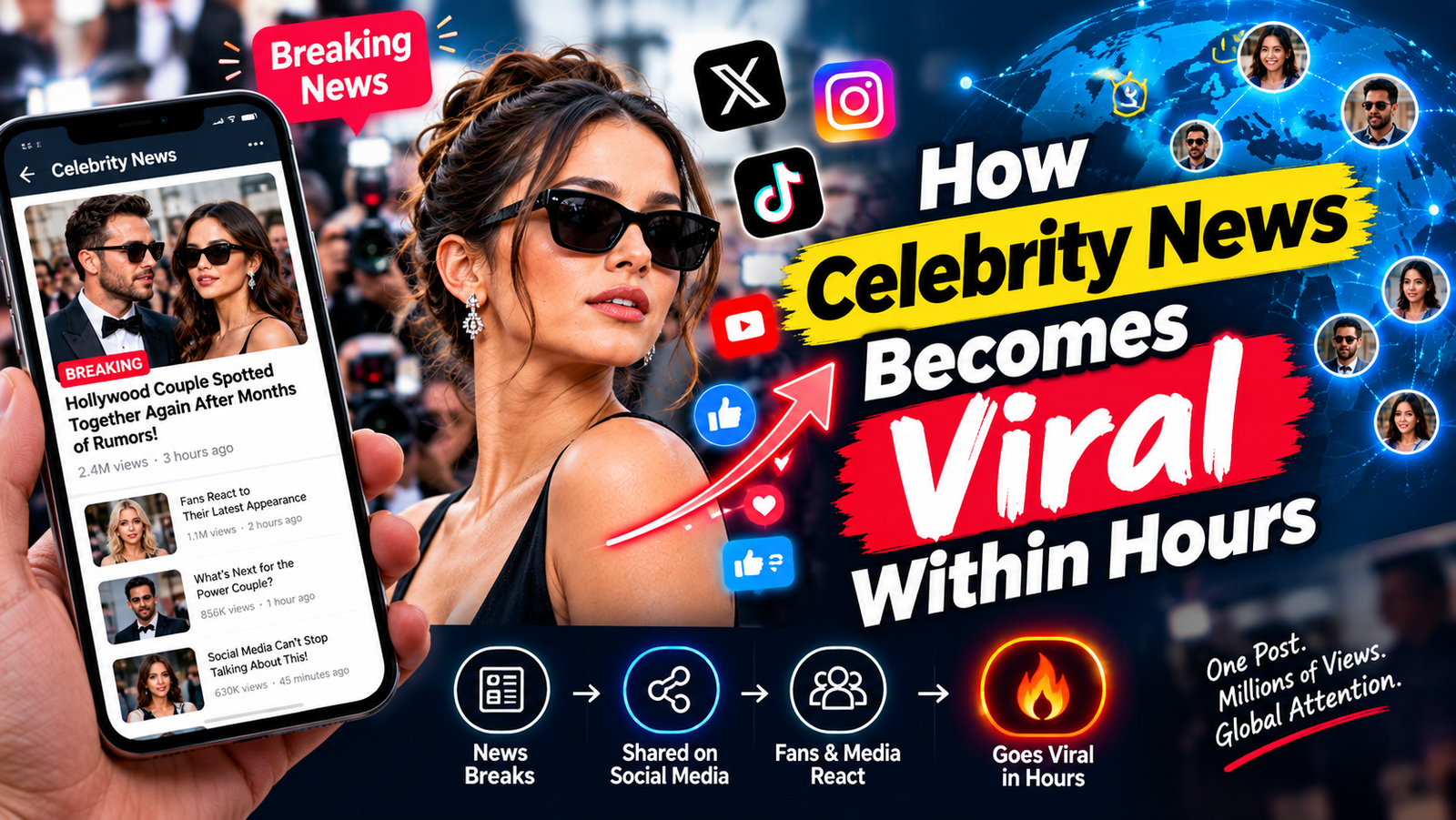
A celebrity posts one sentence, shares a candid photo, or appears in a short video. Within hours, the update becomes a trending topic, even though many people never saw the original source. This is how celebrity news becomes viral within hours: emotion sparks interest, fans spread the moment, platforms rank the activity, and media outlets expand the story.
The process can move across social apps, search engines, television, podcasts, and group chats before anyone confirms every detail. Understanding that cycle helps readers separate real public interest from rumors that gained attention through speed alone.
Emotional Moments Give Celebrity News an Instant Sharing Advantage
Celebrity stories often create stronger reactions than ordinary updates. Audiences feel familiar with stars, and emotional headlines invite quick comments, searches, and reposts.
Familiarity Turns Personal Updates Into Public Events
Years of films, songs, interviews, and social posts create a sense of connection. Fans may react to a celebrity’s relationship, health news, career change, or public conflict as if it affects someone they know.
That feeling comes from repeated exposure and careful branding. It can reflect genuine support, but it can also create a sense of intimacy that the celebrity never personally offered.
Surprise and Conflict Create Strong Sharing Triggers
Unexpected news spreads quickly because people want answers. Romance rumors, breakups, jokes, public disputes, shocking images, and award-show moments all create strong reasons to react.
Headlines often focus on the most dramatic part of an update. A short phrase can remove context while making the story easier to click and share.
Visual Proof Makes Stories Easy to Process
Photos, clips, screenshots, livestreams, and red-carpet footage can explain a moment faster than a long article. A single image may give users enough material to form an opinion and join the discussion.
Visuals can mislead when they are edited, cropped, old, or paired with false captions. Apparent proof still needs a date, source, and full context.
Social Platforms Make Celebrity News Viral Within Hours
Social apps place celebrities, fans, reporters, creators, and entertainment brands in the same public space. That shortens the path between an event and mass discussion.
The Original Post Becomes a Distribution Hub
A verified celebrity account can provide the first statement, image, caption, and comment section. Other users can quote, translate, embed, clip, or repost that material across several platforms.
The size of the account matters, but activity matters too. A smaller post can gain speed when early followers respond in large numbers.
Fan Communities Multiply Attention
Fan accounts, group chats, hashtags, forums, and repost pages keep a story active. Fans archive old posts, explain references, defend a star, debate each detail, and create edits that reach new viewers.
Repeated posts can make limited information seem widespread. Visibility may show that a community is active, not that every claim about the story is true.
Creators Add Commentary and New Audiences
Reaction videos, livestreams, podcasts, memes, and short clips introduce celebrity news to people who missed the first post. Creators may add humor, criticism, background, or personal opinion.
That commentary can extend a story for days. It can also spread an unconfirmed claim far beyond its original audience when speculation sounds like reporting.
Algorithms Reward the Signals Celebrity News Produces Quickly
Recommendation systems respond to user behavior, but no platform ranks content in exactly the same way. A burst of activity can increase visibility without proving that a story is accurate.
Early Engagement Can Increase Distribution
Likes, comments, shares, replies, searches, watch time, and repeat views may help content reach more users. Platforms change their ranking systems often, so no single signal guarantees a trend.
High engagement only shows that people are reacting. It does not confirm the claim behind the reaction.
Search Trends Reveal Growing Curiosity
A sudden rise in searches for a celebrity, event, relationship, or rumor can prompt more articles and breaking-news updates. Autocomplete results and related questions can also guide what publishers cover next.
Search demand is not the same as factual confirmation. People may search because they are confused, angry, amused, or trying to check a rumor.
Short Videos Remove Sharing Friction
Vertical clips, image carousels, captions, and short headlines work well on mobile screens. During concerts, award shows, broadcasts, and commutes, users can watch and repost content within seconds.
Short formats need clear sourcing. A clipped video without its full recording or original caption can change the meaning of an event.
Entertainment Media Turns Attention Into a Larger News Event
Online attention often attracts newspapers, entertainment sites, television shows, radio programs, newsletters, and celebrity-focused publishers. Their coverage can bring the story to people outside the original fan base.
Newsrooms Monitor Social Signals
Editors may spot a developing story through social posts, event footage, interviews, public records, official statements, or representatives. A trend can justify reporting, but a rumor alone may not justify repetition.
Headline wording, homepage placement, push alerts, and live updates all affect reach. A brief article can become a major story when several outlets publish it at once.
Competition Encourages Fast Publishing
Several outlets may post short reports as soon as a celebrity story starts gaining attention. They then add details as representatives respond or reliable records become available.
Speed can increase visibility, but it can also produce copied errors, missing context, and mistaken identities. Clear timestamps, source links, visible corrections, and honest updates help limit the damage.
Cross-Platform Coverage Creates a Feedback Loop
The cycle often begins with a social post, followed by an entertainment article, rising searches, a television discussion, creator reactions, and renewed social activity. Each channel supplies fresh material for the others.
That loop makes a story appear to explode overnight. In reality, its reach may have grown through many connected steps over several hours.
Timing and Context Push Celebrity Stories Into the Spotlight
The moment and setting of an update can matter as much as the celebrity involved. Large audiences and existing storylines give new information a ready-made stage.
Live Events Concentrate Audience Attention
Award ceremonies, premieres, concerts, sports events, fashion shows, and televised interviews create shared viewing moments. People post reactions while an event is still happening, then search for clips and explanations.
The 2022 Oscars incident involving Will Smith and Chris Rock showed how a live moment could dominate social feeds and news coverage almost at once. Live audiences create immediate demand for images, reactions, and verified accounts.
Breaking Developments Create Information Gaps
Uncertainty encourages people to search for answers. Coverage may include confirmed statements, credible reports, eyewitness accounts, anonymous claims, and speculation, but those sources do not carry equal weight.
A responsible report makes the difference clear. Otherwise, an assumption can move through headlines until readers mistake it for a confirmed fact.
Existing Narratives Give Updates a Ready Context
Career comebacks, public disputes, legal proceedings, relationship speculation, and major releases often have months of prior coverage. A new post gains attention because audiences already understand the basic storyline.
Past media claims still need checking. A rumor does not become true because it has appeared in many earlier articles.
Verification Decides Whether Viral Celebrity News Is Reliable
Virality measures attention, not truth. The first version of a story should rest on the strongest available source.
Primary Sources Anchor Early Coverage
Writers should check official statements, verified accounts, representatives, court documents, event organizers, direct interviews, and original footage. Screenshots, reposts, anonymous accounts, and clipped videos require extra checks.
A clear report separates what the source confirms from what remains unknown. That distinction matters most when a story involves health, death, crime, relationships, or legal claims.
Rumors Need Clear Labels
Words such as “unconfirmed,” “reported by,” and “the celebrity has not commented” can prevent speculation from sounding certain. Headlines and captions need the same care as the article body.
Repeating a rumor can increase its reach, even when the article disputes it. Editors should include only the detail needed to explain the public interest.
Accuracy Should Set the Pace
Before sharing, check the date, identity, original source, and claims made by other outlets. Compare reputable reports and preserve links to primary material when possible. If new facts change the story, publish a visible correction or update.
Readers can also slow false claims by:
- Reading beyond the headline and checking the publication date.
- Looking for a direct statement or original recording.
- Reverse-searching suspicious images.
- Comparing coverage from established outlets.
- Avoiding reposts until the claim is confirmed.
How Celebrity News Becomes Viral Within Hours
The cycle is repeatable. A celebrity or eyewitness posts an update, fans react, platforms detect unusual activity, and creators or outlets add commentary. Search interest then grows, bringing the story to people who never saw the first post.
Publishers can capture attention without chasing rumors by leading with confirmed facts, attributing major claims, linking primary material, separating news from opinion, and adding useful context. Sensational wording may win a click, but accurate updates build trust.
Readers have a role too. A viral post can be funny, moving, or shocking while still being wrong. Treat reach as a measure of attention, then check the source before passing the claim to someone else.
Conclusion
Celebrity news spreads within hours when emotional content meets large fan networks, active creators, search demand, platform ranking systems, media competition, and timely events. A photo or post can start the process, but repeated reactions and coverage give it global reach.
The fastest story is not always the most accurate one. Before sharing, find the original source, check the date, compare reliable reports, and separate confirmed facts from speculation. That small pause helps keep celebrity coverage exciting without turning rumor into fact.