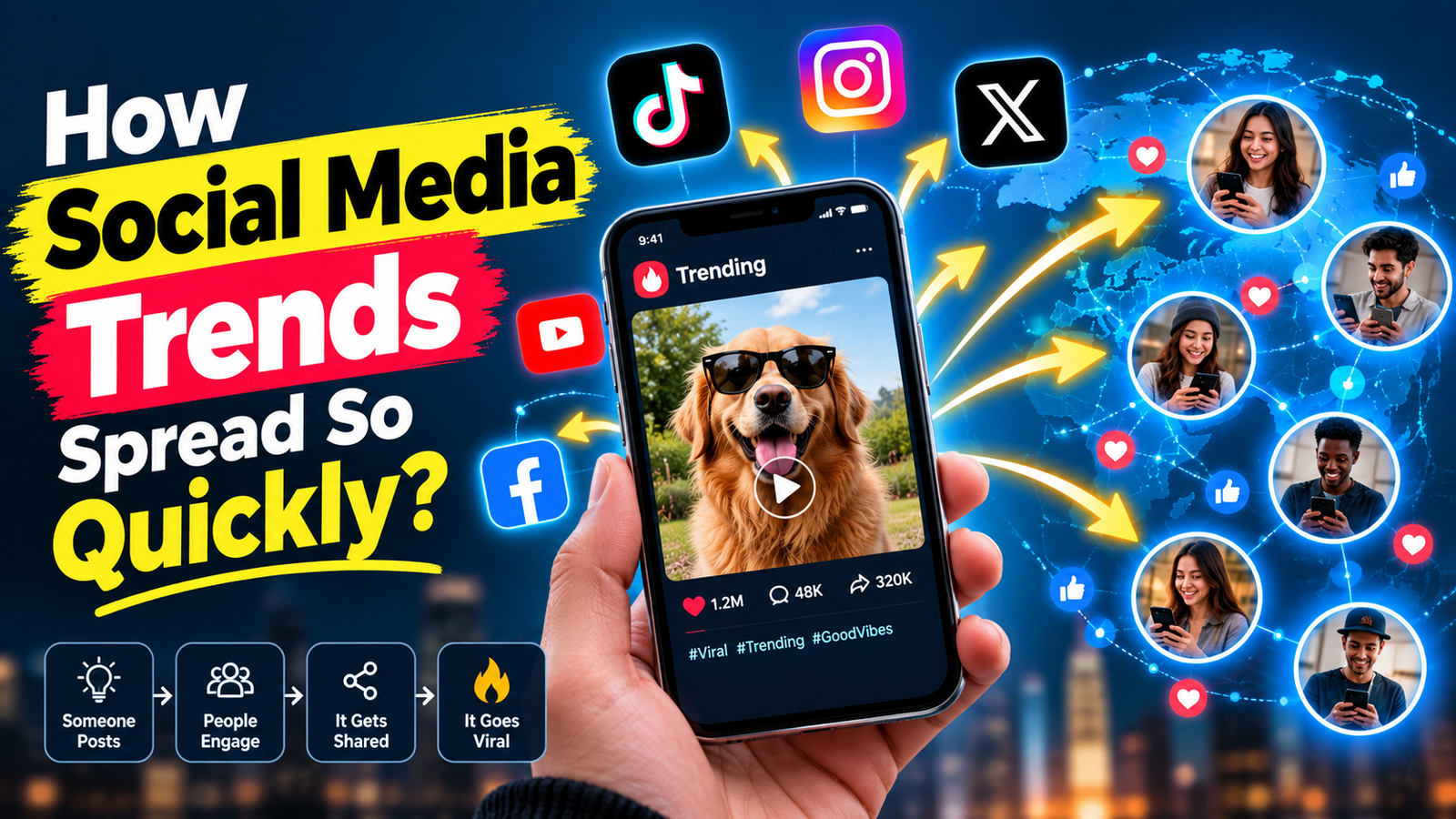
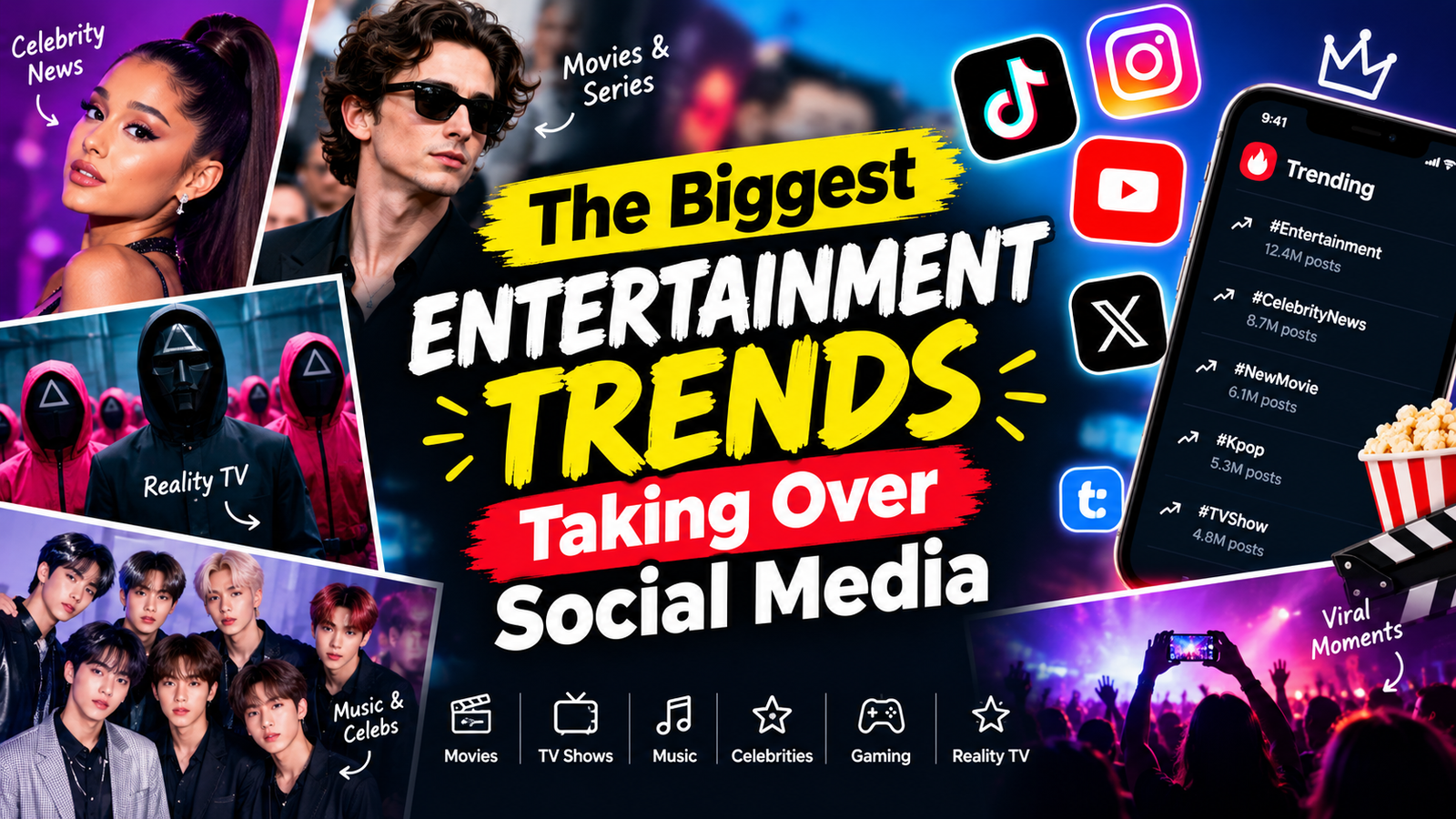
A 15-second video can now sell a song, revive a TV series, or make an unknown creator famous. The biggest entertainment trends taking over social media show how TikTok, Instagram, YouTube, Twitch, Reddit, and Discord have become discovery engines for music, films, television, gaming, and live events.
DataReportal counted 5.24 billion social media user identities worldwide in its 2025 global report. Users spent an average of 2 hours and 21 minutes on social platforms each day. Pew Research Center also found that 90% of U.S. teens use YouTube, while 63% use TikTok and 61% use Instagram.
Entertainment now spreads through short clips, creator recommendations, fan theories, live chats, and algorithmic feeds. These trends show how audiences find content and why some releases stay popular long after launch.
The Biggest Entertainment Trends Taking Over Social Media Start With Short Video
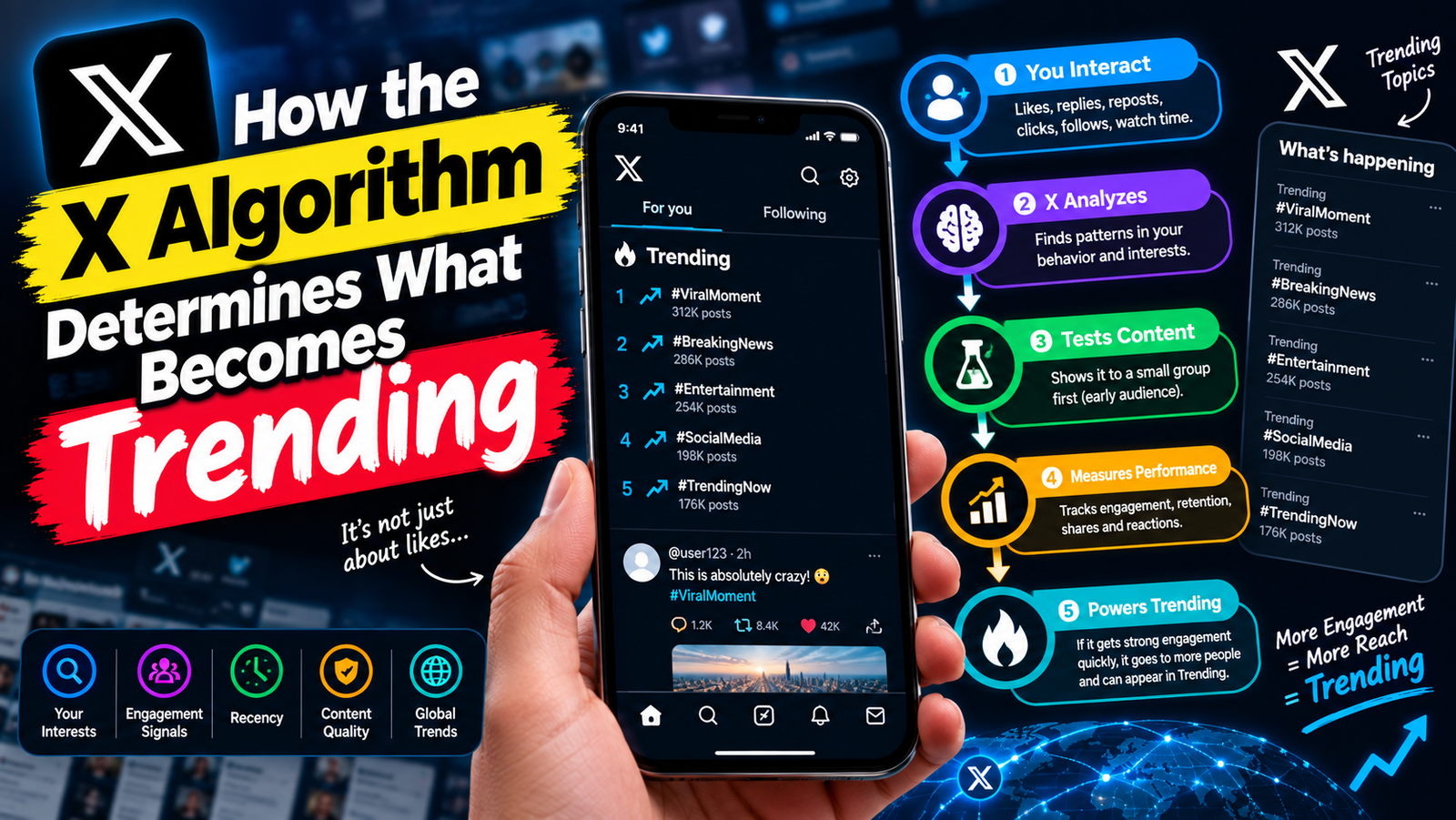
Short-form video gives entertainment a fast route into public attention. Recommendation feeds learn from watch time, rewatches, shares, saves, and comments, then show similar content to users who may never see a traditional ad.
Viral Clips Turn Unknown Entertainment Into Mainstream Hits
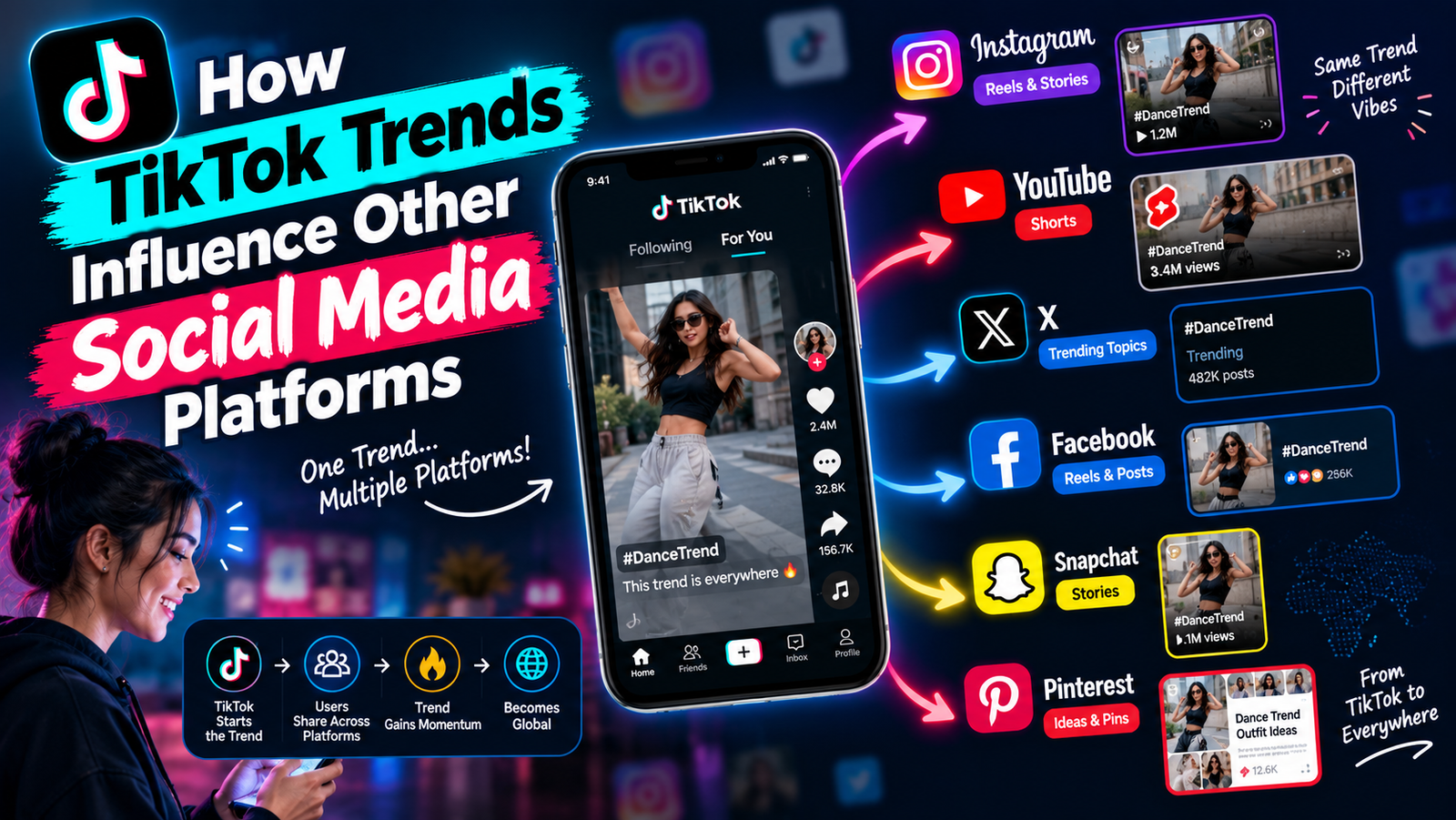
A dance, reaction, scene, or memorable line can send viewers toward a full film, series, game, or song. TikTok, Instagram Reels, and YouTube Shorts also change search behavior because users often search for the title after seeing a clip.
The dance from Netflix’s “Wednesday” became a major TikTok format and renewed interest in the series. Kate Bush’s “Running Up That Hill” reached No. 3 on the Billboard Hot 100 after appearing in “Stranger Things,” while TikTok reported that 175 songs trending on its platform entered the Billboard Hot 100 in 2021.
Micro-Reviews Are Replacing Traditional Previews
Short reviews, spoiler-free reactions, scene breakdowns, cast clips, and behind-the-scenes posts often feel more useful than polished trailers. Viewers trust creators who explain why a release works, especially when the creator already has a loyal niche audience.
Strong entertainment clips open with a clear moment, use captions, fit a vertical screen, and create an emotional response quickly. Brands can post first reactions, countdowns, short reviews, audience compilations, and cast questions without giving away the best parts.
Algorithms Decide Which Stories Get Repeated
Personalized feeds create small trends that can grow into major hits. A viewer who watches one game review may soon see speedruns, fan theories, livestreams, and related creators.
Completion rate and repeat exposure often matter more than follower count. Research on recommendation systems from the Reuters Institute and academic media studies shows that feeds can surface niche culture while also narrowing what people see through repeated suggestions.
Creators Shape the Biggest Entertainment Trends Taking Over Social Media
Creators now act as hosts, critics, marketers, and distribution channels. Their relationship with viewers can give a release instant context and credibility.
Creators Are Becoming Entertainment Brands
Streamers, podcasters, comedians, and niche experts can introduce a film, album, series, or game to a focused audience. Studios increasingly use creator premieres, sponsored integrations, watch-alongs, cast collaborations, and exclusive social announcements.
YouTube and Twitch creators have also launched shows, podcasts, tours, products, and games of their own. Goldman Sachs estimated that the creator economy could approach $480 billion by 2027, showing why entertainment companies now treat creators as business partners.
Fans Help Write the Meaning of a Release
Fans extend a release through edits, memes, cosplay, fan art, reaction videos, theories, and character-focused groups. Reddit and Discord support long discussions, while TikTok, X, Instagram, YouTube, and Tumblr keep daily conversation moving between official updates.
Media scholar Nancy Baym has described online fan groups as communities that create shared meaning, not only audiences that receive messages. Brands can support this activity by sharing fan work, offering prompts, hosting Q&As, and leaving room for different interpretations.
Fandom Can Bring Momentum or Backlash
The same community that drives attention can trigger review bombing, spoiler fights, cancellation campaigns, or fast reputation damage. Parasocial bonds can make praise and criticism feel personal, especially around creators and actors.
Social listening helps teams spot confusion, harmful rumors, and genuine complaints early. Community managers should respond with clear facts, respect spoiler boundaries, and avoid trying to control every fan conversation.
Music and Audio Make Entertainment More Interactive
Social platforms have changed how people find songs and discuss culture. Audio now travels through dance formats, edits, remixes, podcasts, memes, and live audience sessions.
Songs Enter a Remix-First Culture
“Old Town Road” showed how TikTok could move a song from a viral format into the mainstream. Lil Nas X’s hit spent 19 weeks at No. 1 on the Billboard Hot 100, while Bush’s “Running Up That Hill” found a new audience through “Stranger Things.”
Sped-up tracks, mashups, snippets, and fan-made versions can make a song popular before listeners know its full context. Luminate, Billboard, Spotify, and YouTube data help confirm when social attention leads to chart movement or higher streams.
Video Podcasts Turn Clips Into Discovery Tools
YouTube reported more than one billion monthly active viewers of podcast content in early 2025. Video podcasts now cover celebrity interviews, comedy, sports, true crime, gaming, and narrow fan topics.
A useful clip contains a strong opinion, surprising story, emotional reveal, or clear visual reaction. Searchable captions and a direct path to the full episode help turn a short clip into lasting listening.
Social Audio Invites Real-Time Participation
Artists and creators use live listening sessions, fan Q&As, watch parties, audio rooms, and interactive broadcasts to make audiences feel present. Comments, polls, requests, and questions add shared energy that recorded posts cannot match.
Permanent formats such as podcasts build an archive. Event-based formats such as live rooms create urgency around a release, premiere, or announcement.
Live Streaming Creates Always-On Entertainment
Livestreaming now covers gaming, esports, music, comedy, shopping, sports, and creator shows. Its appeal comes from direct access and the chance that something unexpected may happen.
Live Chats Turn Performances Into Shared Events
Twitch helped make gaming streams and esports broadcasts mainstream, while YouTube and Instagram support live concerts, interviews, and fan events. Viewers can request songs, react in chat, send virtual gifts, join memberships, or help moderate discussions.
Epic Games reported that 12.3 million people joined Travis Scott’s Fortnite “Astronomical” event at its peak in 2020. That figure showed how a game platform could host a major music performance without a physical venue.
Social Platforms Launch and Extend Live Events
Red-carpet coverage, virtual festivals, esports tournaments, livestreamed premieres, and creator conventions use social platforms for both promotion and distribution. Replay access, highlight clips, time-zone planning, and captions help events reach people who miss the live broadcast.
Shopping and Entertainment Are Blending
Celebrity product drops, creator merchandise, collectibles, beauty launches, and limited editions turn entertainment into a live buying experience. Demonstrations, audience questions, social proof, and limited stock give viewers reasons to stay.
McKinsey estimated China’s livestream-commerce market exceeded $170 billion in 2020. The format continues to connect fandom with products, especially when creators show items in real time.
AI and Immersive Formats Expand Creative Participation
AI tools and augmented reality give creators new ways to make, adapt, and personalize entertainment. They also raise serious questions about consent, ownership, and trust.
AI Tools Make Production More Accessible
Creators can use AI-assisted editing, subtitles, dubbing, voice tools, image generation, and music software to produce content faster. These tools help small teams adapt one idea for several platforms and languages.
Assistive tools still involve human choices, while fully generated entertainment raises different legal and creative issues. The U.S. Copyright Office has said copyright protection depends on meaningful human authorship.
AR Brings Fiction Into Daily Feeds
Character lenses, virtual try-ons, branded filters, and game-based promotions let users enter a story or show their connection to it. Pokémon GO remains a major example of gaming, entertainment, and augmented reality working together.
Effective campaigns keep participation easy, show a clear visual result, work well on phones, and produce something worth sharing. A filter should add a fun action, not force users to learn a complex system.
Synthetic Media Requires Clear Rules
Deepfakes, voice cloning, and digital replicas can mislead audiences or copy a performer without permission. SAG-AFTRA’s 2023 agreement added consent and compensation rules for digital replicas in covered productions.
Entertainment companies should label synthetic media, secure rights before use, and explain how likenesses and voices are handled. Clear disclosure protects both audiences and performers.
Nostalgia and Cross-Platform Stories Extend Entertainment
Older songs, shows, films, and game properties often perform well in social feeds because viewers recognize them at once. Familiar references give short content instant emotion and context.
Nostalgia Revives Catalog Hits
“Running Up That Hill” gained a new chart life after its “Stranger Things” placement. Similar revivals happen when fan edits, anniversary posts, archive clips, or reboots introduce catalog entertainment to younger users.
Search trends, chart positions, streaming reports, and official platform data can show whether a revival lasted beyond one viral week.
Franchises Use Each Platform for a Different Job
Short video can drive discovery, YouTube can host longer stories, Discord can support fan groups, and livestreams can power events. Games, films, music, merchandise, and creator partnerships can strengthen one another when each platform gets original material.
Copying the same post everywhere wastes the strengths of each channel. A franchise needs connected content, not identical content.
Memes Keep Releases Moving
Reaction templates, character jokes, quote formats, and fan edits can keep a release visible after opening weekend. Organic fan humor usually works better than forced brand jokes because it follows the language already used by the audience.
Brands should respond selectively, respect context, and check copyright before reposting or adapting fan content.
What These Trends Mean for Entertainment Brands and Creators
Successful campaigns invite people to take part instead of asking for empty engagement. A strong prompt might ask fans to predict a twist, remix a sound, vote on a character, or recreate a scene.
Give fans editable assets, reward creative work with visibility, and make participation possible without extensive background knowledge. Short clips should lead to full episodes, albums, streams, games, podcasts, or communities through clear titles, captions, and descriptions.
Measure more than likes. Completion rate, shares, saves, search lift, sentiment, streams, conversions, community growth, and repeat engagement show whether attention became real audience value.
Conclusion
Social media now drives how entertainment gets found, discussed, remixed, and remembered. Short video speeds discovery, while creators and fandoms shape promotion and interpretation. Music, podcasts, livestreams, AI tools, AR campaigns, nostalgia, memes, and cross-platform stories keep audiences involved.
The strongest entertainment strategies pair a compelling release with easy participation and platform-specific content. Build for the first view, the next conversation, and the fan who returns after launch.