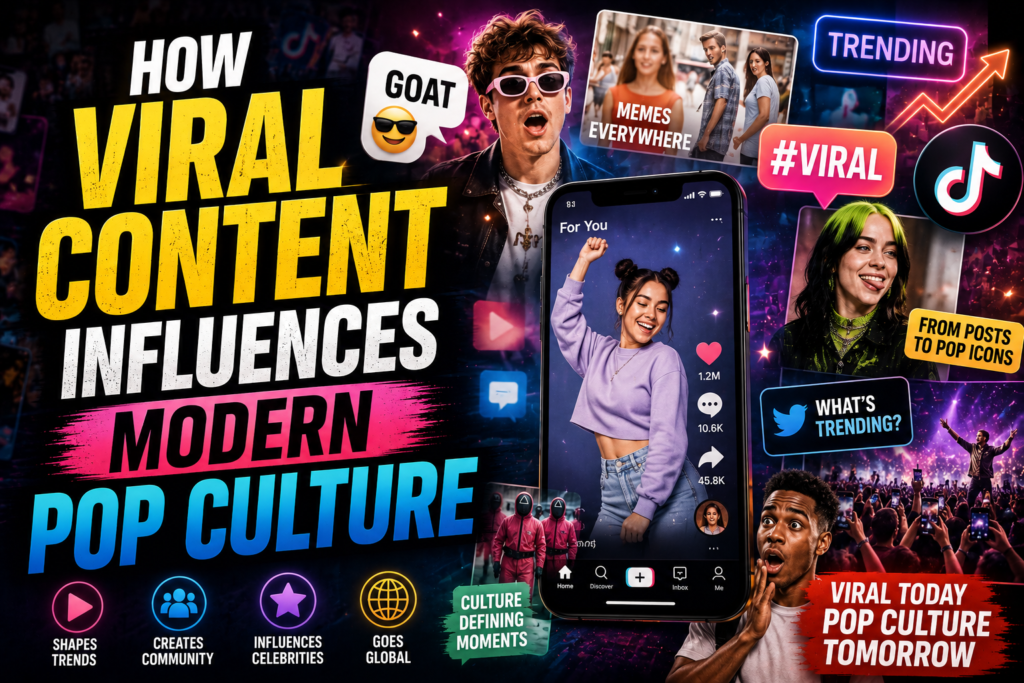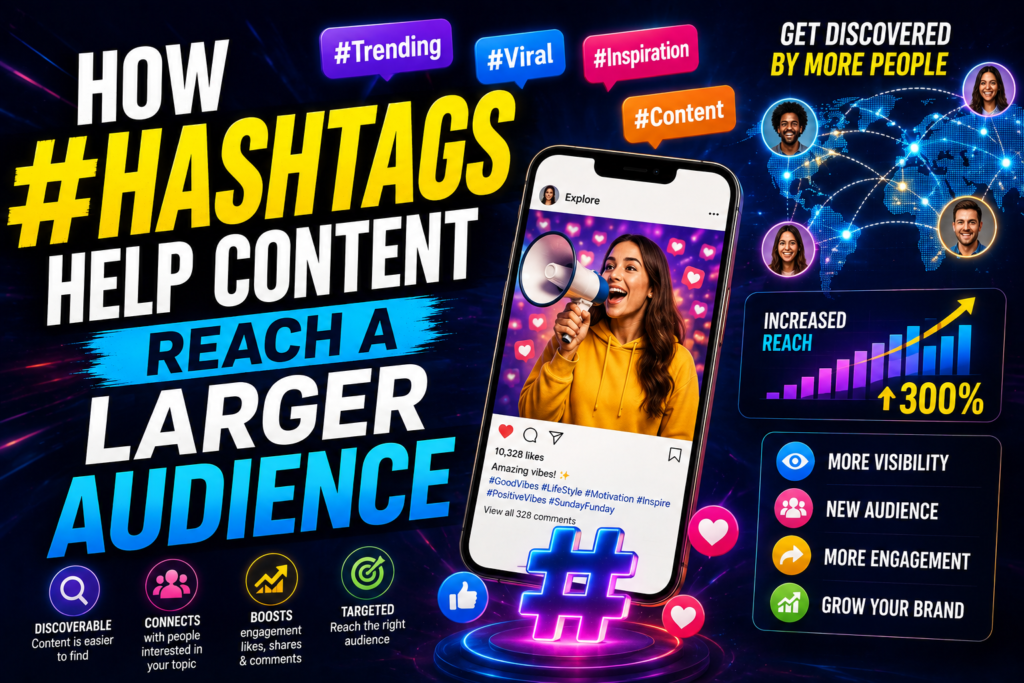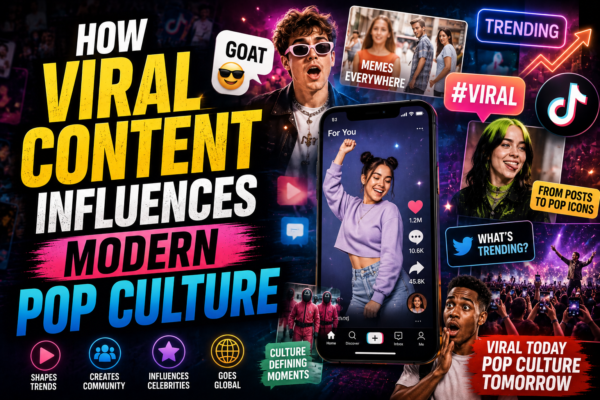

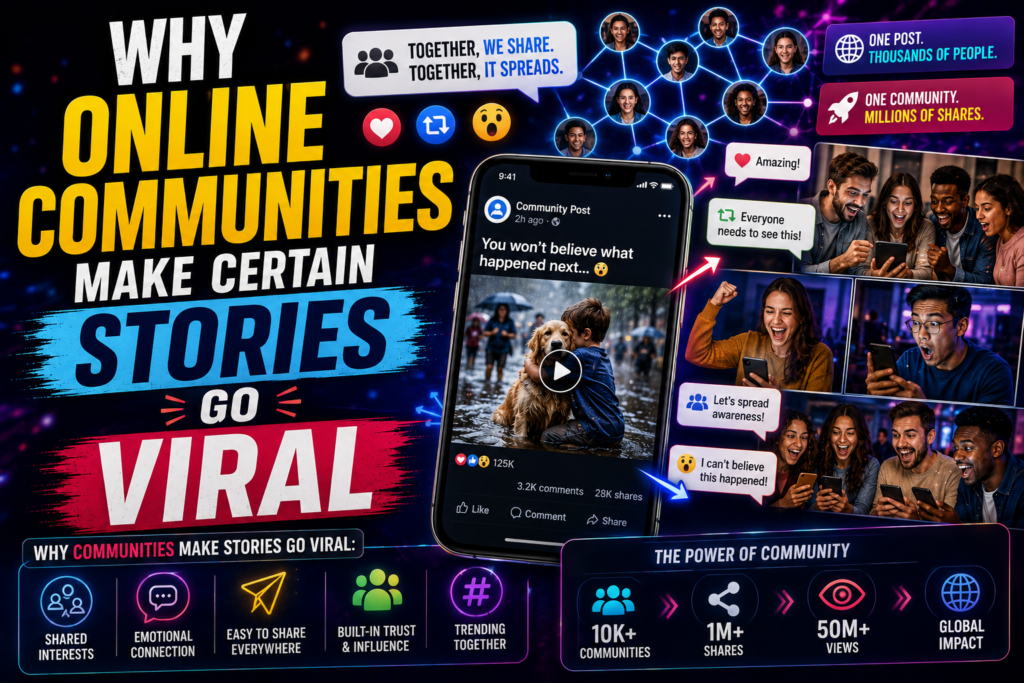
How Viral Content Influences Modern Pop Culture

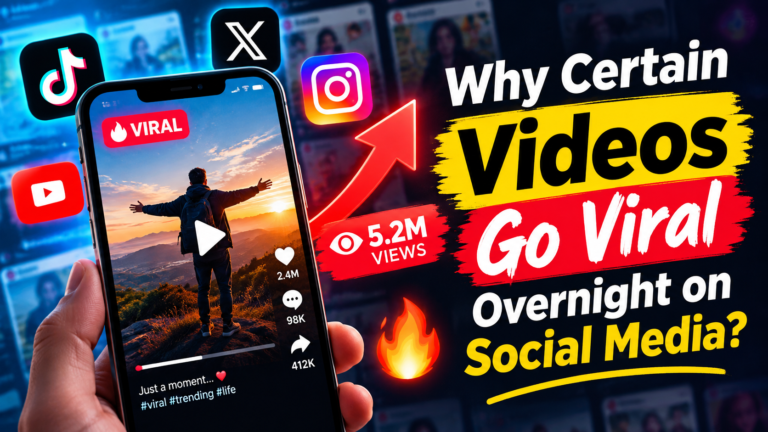
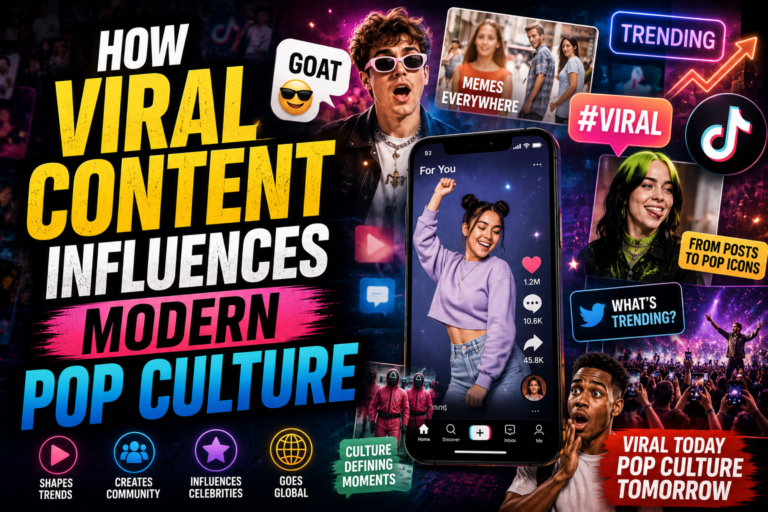
How Viral Content Influences Modern Pop Culture and Changes What You Watch

The clearest proof of how viral content influences modern pop culture came from a man riding a longboard while drinking Ocean Spray cranberry juice. Nathan Apodaca’s 2020 TikTok used Fleetwood Mac’s “Dreams,” sending the 1977 song back into charts and daily conversation. Soon, people copied the video, bought skateboards, quoted the clip, and helped Ocean…
Read Full News
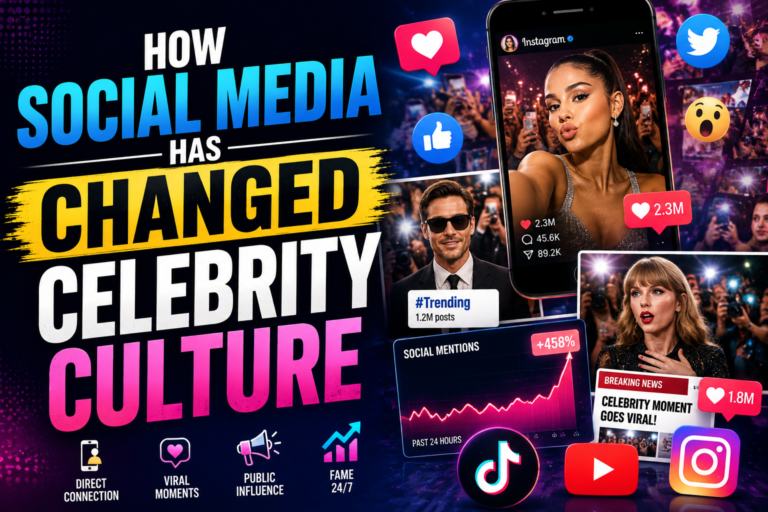
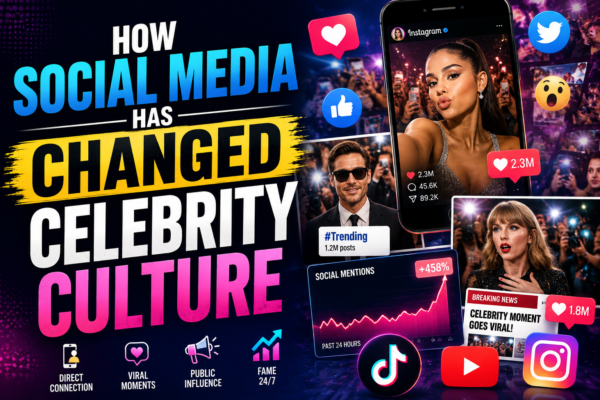
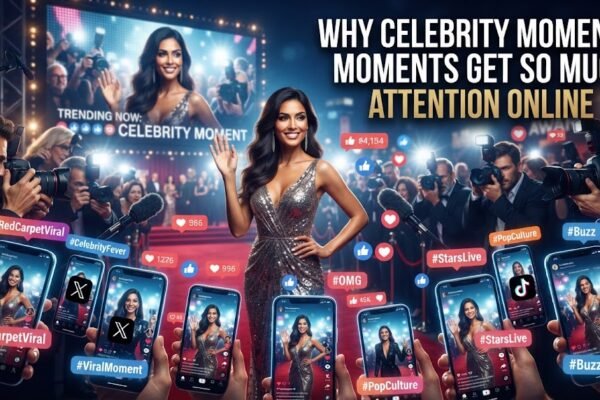
How Social Media Has Changed Celebrity Culture and Why It Matters to Fans, Brands, and Stars A movie star once needed a studio, publicist, magazine editor, or television host to reach the public. Today, a celebrity can post a video and reach millions before a newsroom writes a headline. That shift explains how social media has changed celebrity culture. Celebrities now act as public figures, content creators, business owners, and community leaders at once. Instagram, TikTok, YouTube, X, livestreams, and private fan platforms give them direct access to audiences. This change has brought fans closer and made fame more open to new voices. It has also increased surveillance, online conflict, misinformation, parasocial relationships, and pressure to stay visible at all times. How Social Media Has Changed Celebrity Culture Through Direct Access Social platforms removed traditional gatekeepers Studios, publicists, magazines, and television networks once shaped most celebrity stories. Personal accounts now let stars announce projects, answer rumors, share milestones, and speak during a crisis without waiting for coverage. Beyoncé has used Instagram to reveal major projects, while Taylor Swift has built fan-focused release campaigns through carefully timed posts and online clues. Livestreams also turn announcements into direct events. Henry Jenkins’s work on participatory culture helps explain this shift: audiences now interact with media figures instead of only watching them. Personal content made fame feel more relatable Rehearsal clips, family photos, makeup-free videos, and home updates can make a famous person seem familiar. That sense of access often builds trust, even when the content has been planned by a publicist or brand team. Alice Marwick’s Status Update shows how online identity depends on self-presentation and status signals. Celebrity “authenticity” can be genuine, staged, or both. Since audiences expect regular updates, posting has become part of the job, which makes content calendars, privacy rules, platform-specific plans, and planned breaks useful for long careers. Fans Became Active Participants in Celebrity Success Fandoms can organize campaigns that affect careers Fans now promote releases, stream songs, vote in contests, raise money, and push hashtags. BTS’s ARMY has organized major online campaigns and charitable efforts, while Taylor Swift fan communities often drive attention around album launches and hidden references. Jenkins’s research on participatory culture fits this model well. Fans create edits, explain theories, and promote work for free. That power can build careers, but it can also produce harassment, exclusion, and pressure against anyone who criticizes a favorite star. Algorithms can create mainstream celebrities Recommendation feeds allow creators to gain attention without a major label or traditional agent. Charli D’Amelio, Addison Rae, and Khaby Lame built large followings online before moving into brand deals, entertainment, and consumer products. DataReportal’s Digital 2024 Global Overview Report estimated 5.04 billion social media users in January 2024. That huge audience creates new paths to fame, but reach is uneven. Watch time, trends, engagement, platform rules, and audience behavior can decide who gets seen. Comments, views, follower growth, and trending topics also shape public ideas about success. Yet high engagement may reflect outrage, paid promotion, bots, or organized fandoms. Brands and managers should study sentiment, retention, conversions, and trust instead of relying on follower counts alone. Celebrity Branding Became More Commercial Personal identity became a business asset Social media blurred the line between a celebrity’s work, lifestyle, opinions, and products. Rihanna’s Fenty companies, Selena Gomez’s Rare Beauty, and Dwayne Johnson’s consumer ventures connect products with parts of their public identities. A strong celebrity brand needs a believable link between the person and the product. Brooke Erin Duffy’s Not Getting Paid to Do What You Love examines how personal branding turns self-presentation into promotional labor. Every post can now support an image, launch, partnership, or sale. Influence expanded beyond entertainment Celebrity influence now reaches fashion, beauty, voting, climate issues, mental health, philanthropy, and social justice. Pew Research Center has found that YouTube, Facebook, Instagram, and TikTok reach large shares of U.S. adults, giving celebrity messages a broad potential audience. That reach does not prove expertise. A celebrity can raise awareness or encourage donations without being qualified to give medical, legal, or scientific advice. Sponsored Instagram posts, TikTok integrations, YouTube segments, affiliate links, and discount codes also make disclosure essential under the Federal Trade Commission’s Endorsement Guides. Clear labels and honest product opinions protect audience trust. Social Media Increased Exposure and Reduced Celebrity Privacy Paparazzi culture became digital surveillance Paparazzi still matter, but fans now record stars at airports, restaurants, concerts, and private events. Geotags, leaked videos, tagged photos, and real-time posts can reveal a celebrity’s location within minutes. That speed makes privacy harder to protect. Public figures can reduce risk by disabling location tags, delaying uploads, hiding travel plans, reviewing tagged content, and separating public accounts from private ones. A public career does not make every private moment public property. Accountability became faster and harsher Old interviews, posts, likes, and private messages can return years later without their original context. Social media can expose harmful behavior and give victims a public voice, but it can also spread false claims, encourage pile-ons, and punish people without a fair review of evidence. Mental health has also entered public celebrity talk. Selena Gomez, Demi Lovato, and Lady Gaga have discussed issues such as anxiety, addiction, and recovery. Personal testimony can reduce stigma, but it is not medical advice. Coverage should avoid diagnosis, sensational questions, and unsupported claims. Parasocial Relationships Became More Interactive Frequent contact makes one-sided bonds feel mutual Horton and Wohl introduced the idea of parasocial interaction to describe one-sided bonds between audiences and media figures. Social media intensifies those bonds through replies, livestreams, fan memberships, direct messages, and personal updates. A celebrity who says a fan’s name during a livestream may create a strong feeling of connection. These relationships can offer belonging and comfort, but they can also create entitlement. Followers may feel they deserve private details, instant replies, or control over a celebrity’s choices. Public conflict now unfolds in real time Subtweets, deleted posts, reaction videos, apology clips, diss tracks, and fan theories can turn a private dispute into a public event. Audiences often choose sides, circulate screenshots, and pressure celebrities to respond before facts are clear. Boundaries help reduce that pressure. Celebrities can limit family content, moderate comments, restrict direct messages, delay sensitive announcements, and avoid reactive posts. Accessibility is a branding choice, not a promise to share every part of life. The New Celebrity Economy Rewards Speed and Adaptability Celebrities compete with creators for attention Actors, musicians, athletes, reality stars, influencers, and independent creators now appear in the same feeds. Film stars adopt TikTok formats, musicians use short-form challenges, and athletes build creator-style video channels. A viral clip can boost recognition overnight, but attention does not guarantee a lasting career. Khaby Lame’s reaction videos show how a simple format can reach a huge audience, while viral music clips can drive streams. To keep that attention, creators should build email lists, websites, fan communities, products, live events, or long-form channels they control. Digital literacy helps audiences separate fact from fiction Deepfakes, fake celebrity accounts, edited clips, bots, and misleading headlines make celebrity news harder to judge. Deepfake endorsements have already shown how a familiar face can be placed beside a product without permission. Readers should check the original account, publication date, spelling of the handle, and reporting from more than one trusted source. A screenshot may be altered. A viral clip may be missing key context. Social media changed celebrity communication, but it also made verification part of being an informed fan. Conclusion Social media changed celebrity culture from a one-way publicity system into an interactive, algorithm-driven space. Celebrities gained direct control over communication, while fans gained new power to promote, criticize, organize, and create. Personal identity became a commercial asset, and celebrity influence spread beyond entertainment. At the same time, privacy became harder to defend, public punishment became faster, and parasocial relationships became more intense. The future of fame will depend on how well public figures balance access with boundaries, authenticity with performance, and influence with accountability. Fans have a role, too: verify claims, respect privacy, question metrics, and judge celebrity content with care.

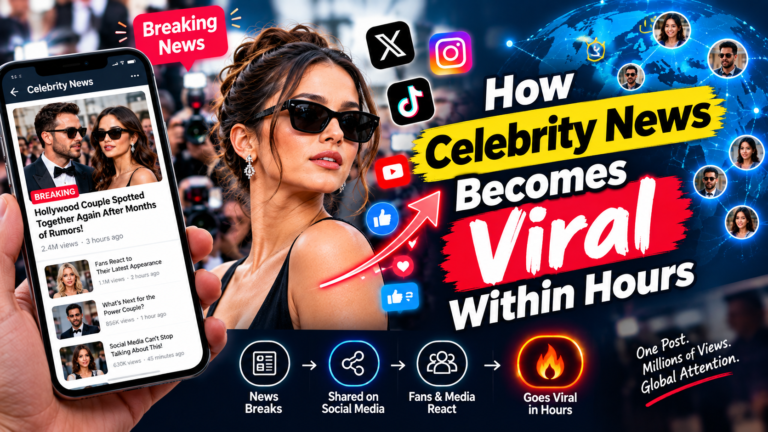
How Social Media Has Changed Celebrity Culture and Why It Matters to Fans, Brands, and Stars

A movie star once needed a studio, publicist, magazine editor, or television host to reach the public. Today, a celebrity can post a video and reach millions before a newsroom writes a headline. That shift explains how social media has changed celebrity culture. Celebrities now act as public figures, content creators, business owners, and community…
Read Full News
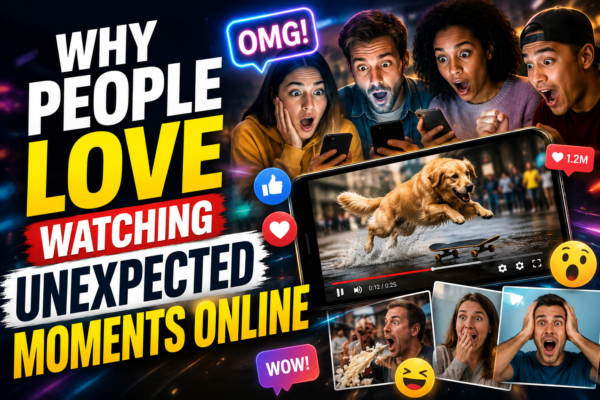
Why People Love Watching Unexpected Moments Online

Why People Love Watching Unexpected Moments Online: Find the Clips Worth Sharing

A feed can feel predictable: polished photos, familiar jokes, and videos built around the same pattern. Then a routine clip suddenly changes direction, and your thumb stops. Surprise sparks laughter, disbelief, suspense, or concern. That instant shift helps explain why people love watching unexpected moments online. Unscripted events combine surprise, real emotion, storytelling tension, and…
Read Full News
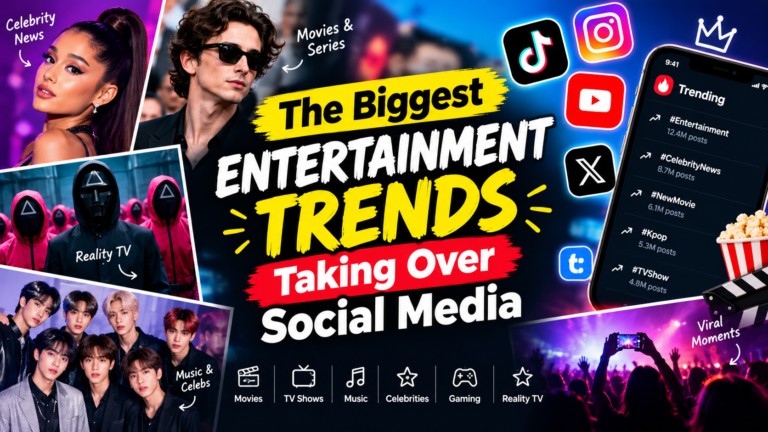
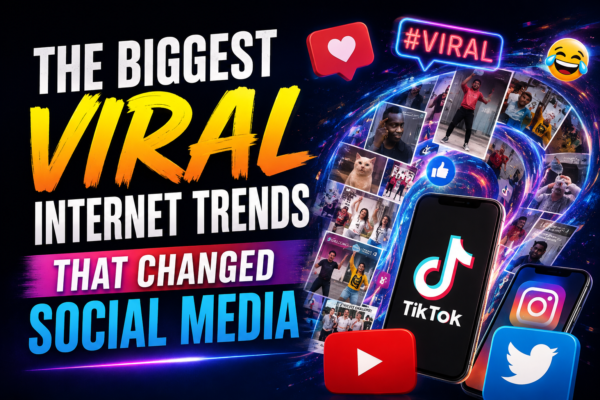
The Biggest Viral Internet Trends That Changed Social Media

The Biggest Viral Internet Trends That Changed Social Media: Lessons for Better Reach

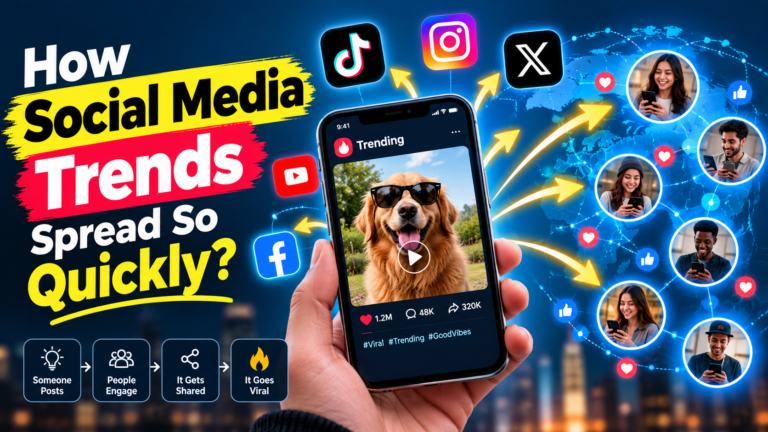
A dance, hashtag, challenge, or meme can move from one post to global participation within hours. The biggest viral internet trends that changed social media did more than entertain people. They changed how we share news, build groups, support causes, and discover products. These trends also changed the basic design of social platforms. Algorithms now…
Read Full News

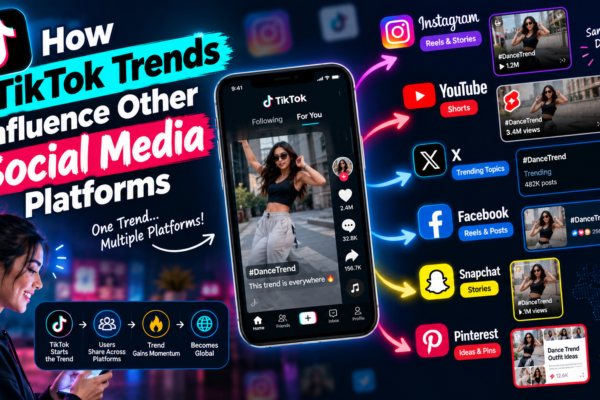
How TikTok Trends Influence Other Social Media Platforms and Expand Your Reach

A song, meme format, editing trick, or challenge can appear on TikTok today and show up on Instagram Reels, YouTube Shorts, Facebook videos, and group chats tomorrow. This rapid movement explains how TikTok trends influence other social media platforms far beyond one viral post. TikTok changed what people expect from social content. Short videos now…
Read Full News

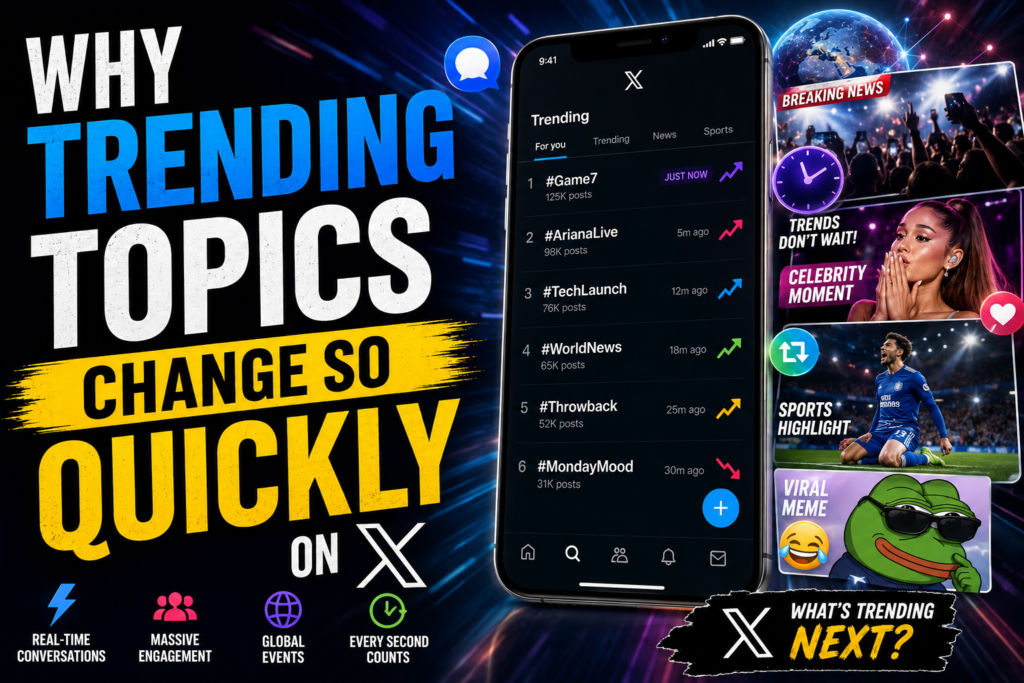
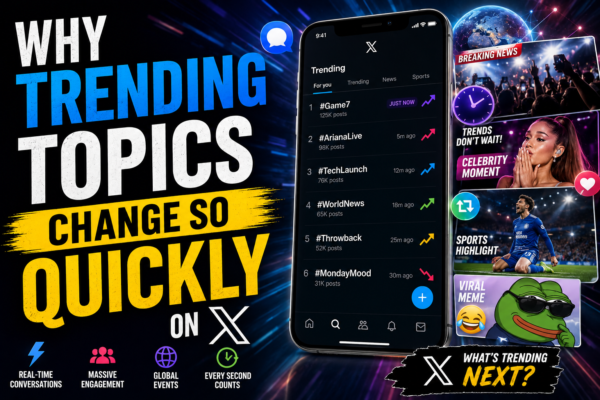
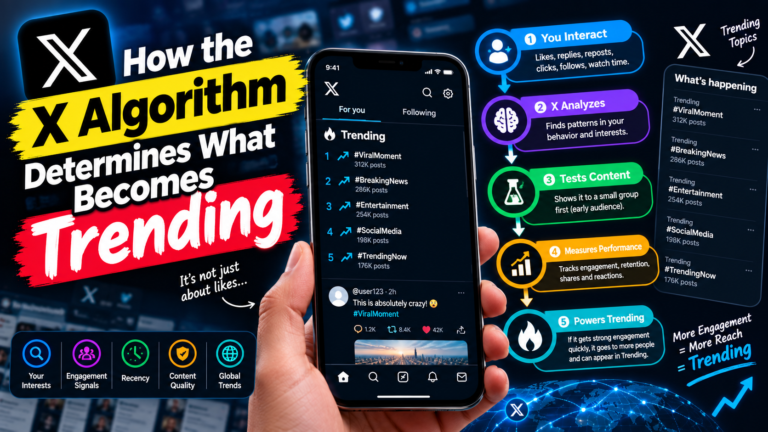
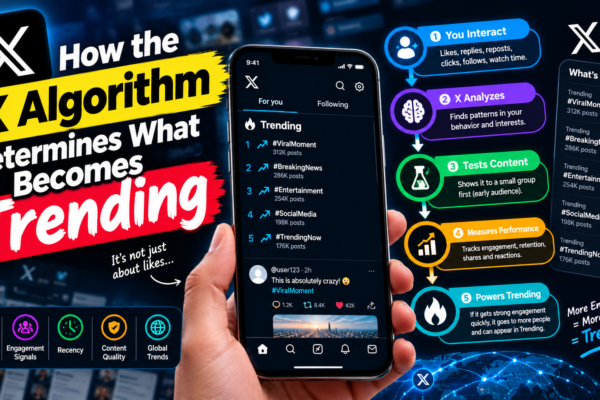
How the X Algorithm Determines What Becomes Trending and How to Join Safely

X handles millions of public posts each day, yet only a small group of topics appears in the Trending section. That gap raises a useful question: why does one fast-moving phrase gain platform-wide attention while another viral post disappears from view? The X algorithm determines what becomes trending through more than raw post volume. Conversation…
Read Full News