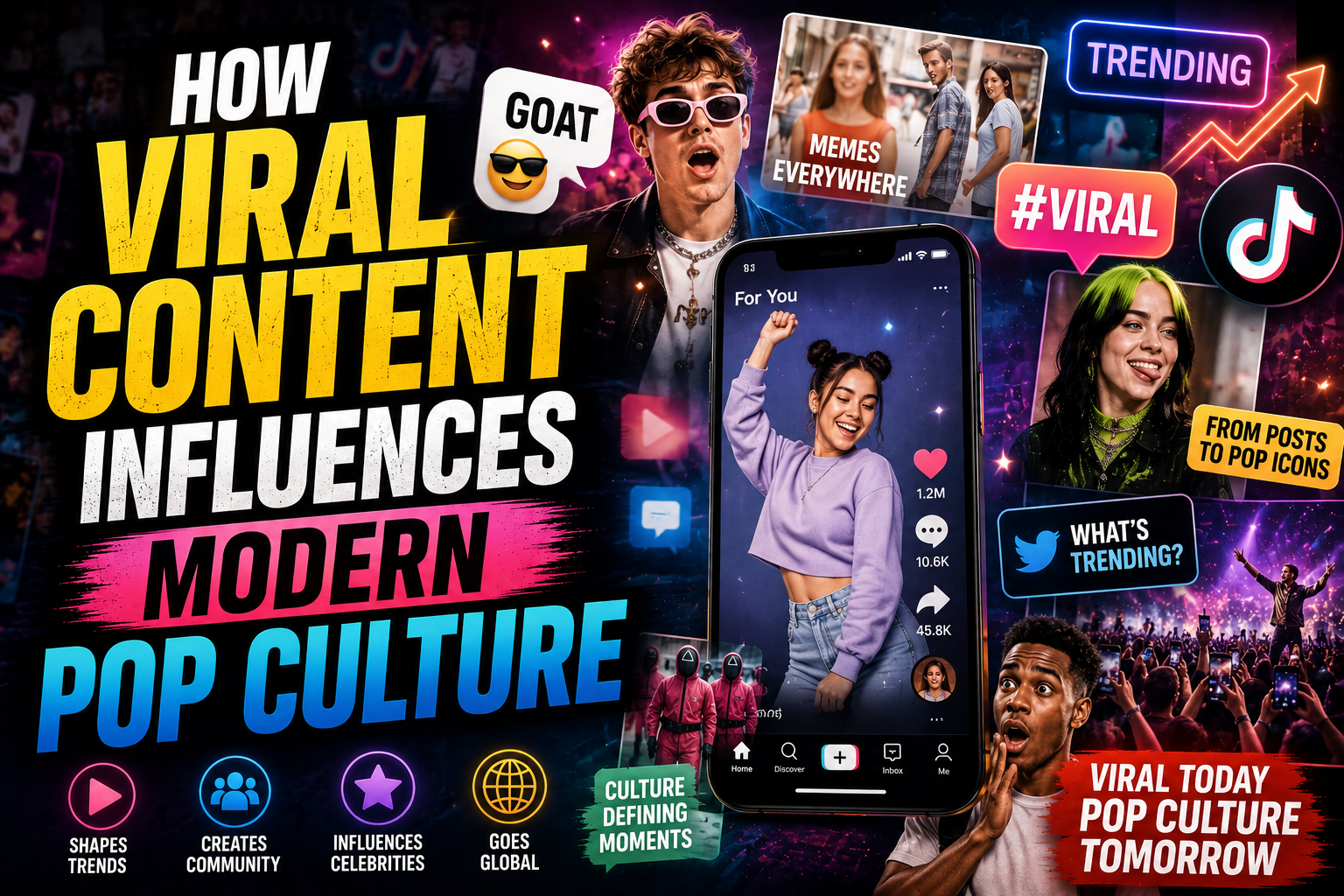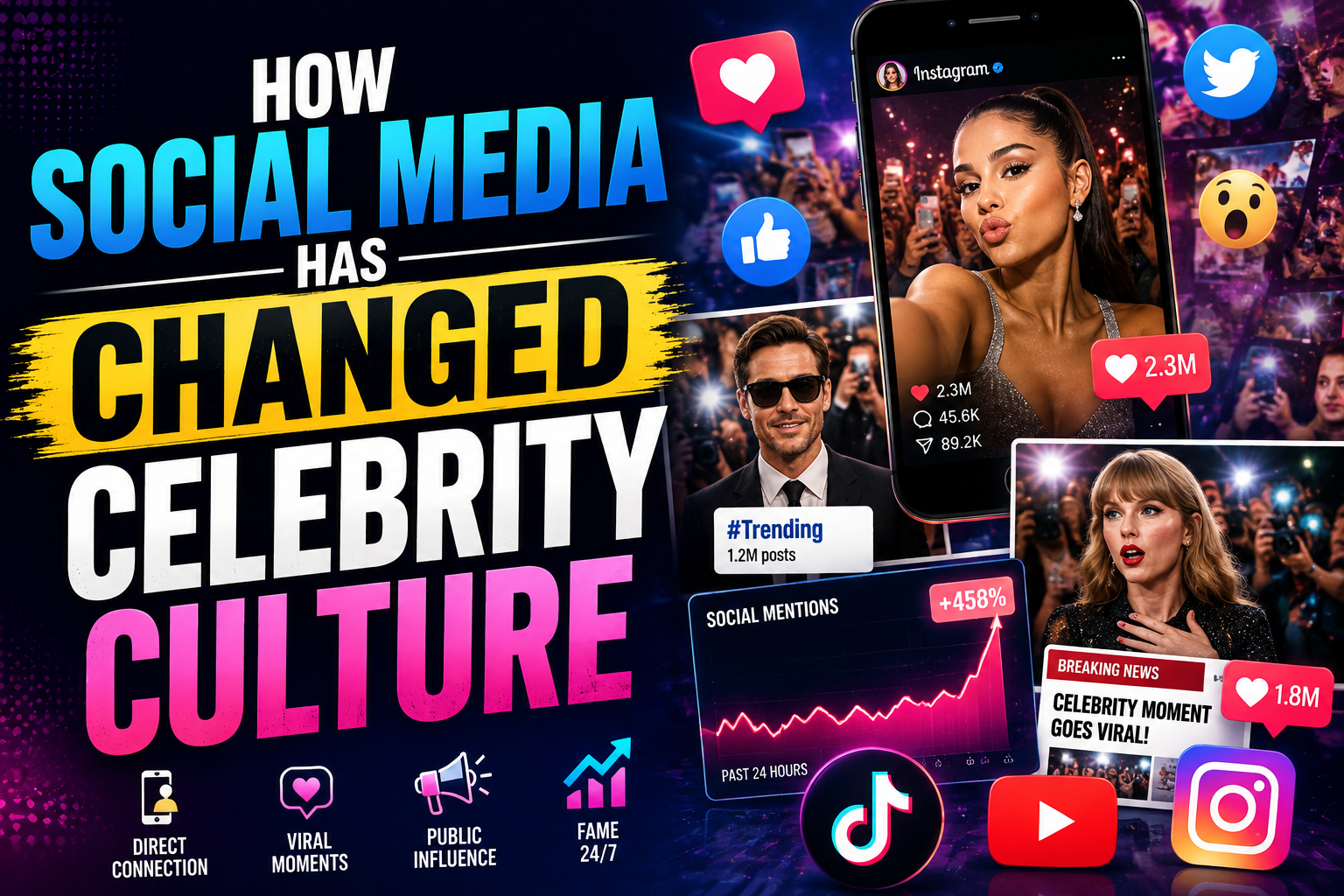







Why Online Communities Make Certain Stories Go Viral: Understand What Makes Content Spread
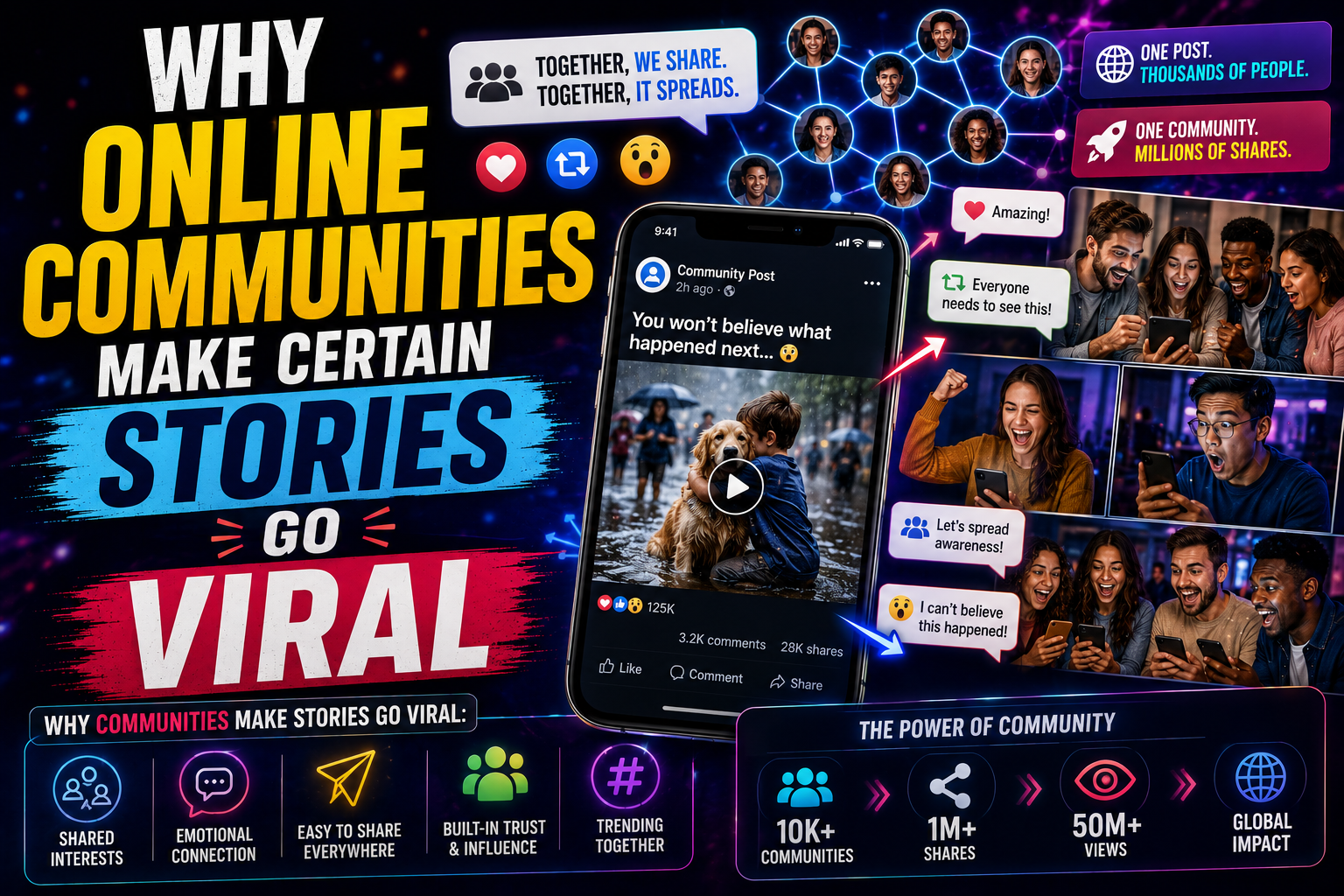
A polished post can vanish in a crowded feed while a blurry screenshot takes over group chats, search results, and news coverage. The difference often has less to do with production quality than with who sees the story first and what they do with it. Why online communities make certain stories go viral comes down to shared meaning, strong emotion, trust, participation, and timing.
Communities provide ready-made audiences with common interests, inside knowledge, and social ties. When members recognize themselves in a story, sharing it feels useful or rewarding. A single post can then become a debate, a meme, a fundraiser, or a public cause.
Why Online Communities Make Certain Stories Go Viral Through Shared Identity
Online groups form around fandoms, games, jobs, hobbies, local concerns, political causes, humor, and life experiences. Content spreads faster when it signals membership or supports something the group values. A story does not need broad appeal at first; it needs strong relevance to the right people.
Niche relevance gives stories an instant audience
A gaming update may spread through a small player group before gaming news sites notice it. A workplace thread can move through a professional network, while a local safety post can dominate a neighborhood forum. These groups already understand the background, so the story needs less explanation.
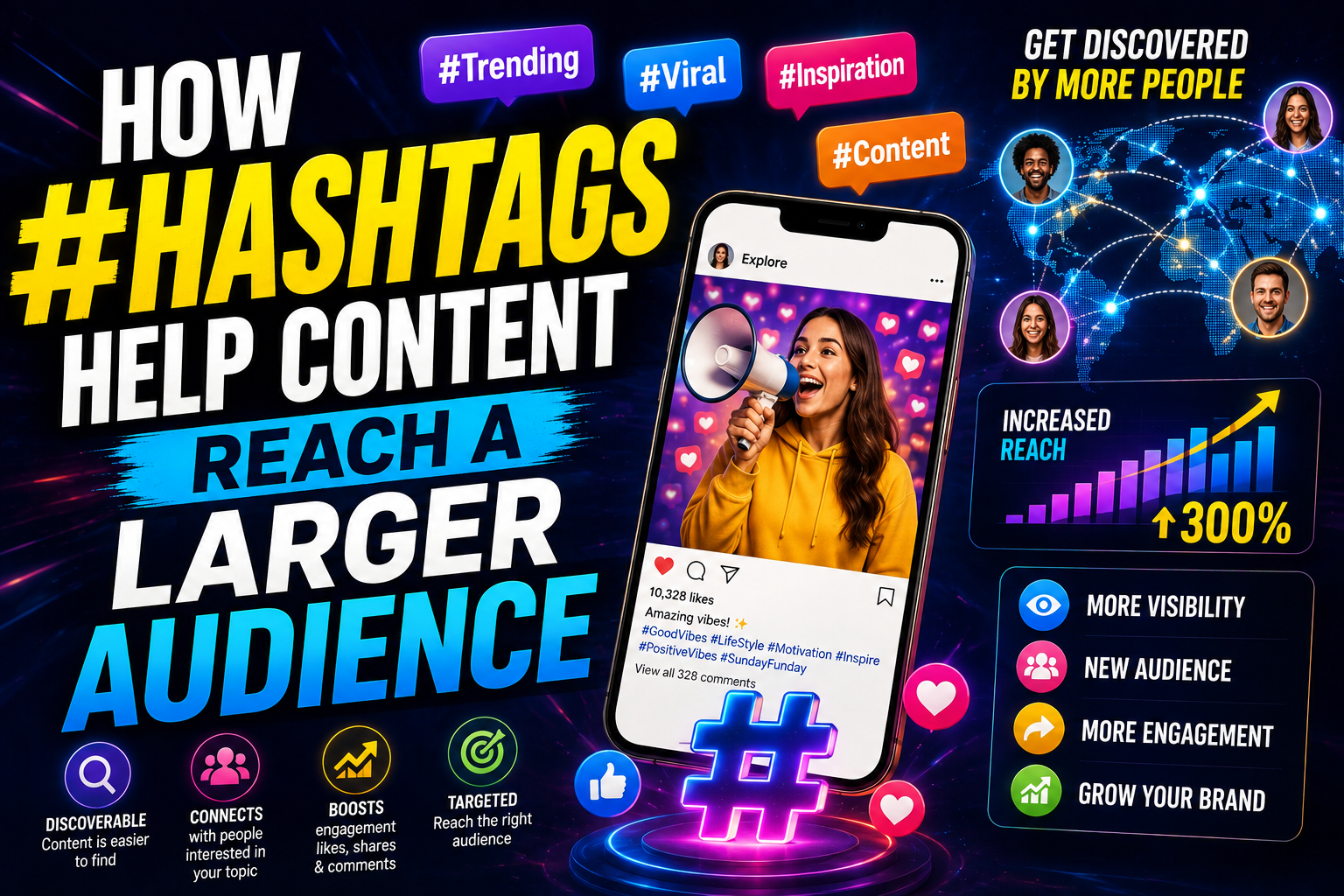
Shared language helps, too. Hashtags, memes, recurring formats, and inside jokes make content easy to recognize and repeat. Members often add captions, criticism, context, or remixes, which helps outside content feel native to the group.
Sharing communicates identity
People share content to show taste, humor, expertise, outrage, support, or solidarity. The ALS Ice Bucket Challenge showed this clearly in 2014. The ALS Association’s account of the campaign describes how people filmed themselves, challenged friends, and connected visible participation with donations for a charitable cause. Sharing became a public statement about generosity and community involvement.
Emotion Gives Stories the Momentum to Travel
Emotion increases action. People who feel surprise, anger, amusement, fear, hope, or admiration are more likely to comment, tag someone, or pass a story along. Viral content can be positive or negative, but emotional intensity often gives it the force to move.
Surprise interrupts passive scrolling
An unexpected result, unusual discovery, or sharp twist can stop people mid-scroll. Surprise creates a reason to send a story to someone who “needs to see this.” It also helps people remember the content later.
Surprise alone rarely guarantees wide reach. The story still needs to be clear, credible, or meaningful enough for people to understand why it matters.
Moral emotion creates collective response
Stories about unfairness, hypocrisy, rule-breaking, or harm can push communities to investigate and demand answers. That response may lead to debates, donations, petitions, or calls for accountability.
Outrage also carries risks. Missing context can cause harassment, dogpiling, and false claims to spread. Readers should separate verified facts from allegations and commentary before repeating a popular post.
Positive feelings spread for similar reasons. A 2012 Journal of Marketing Research study by Jonah Berger and Katherine Milkman found that high-arousal emotions influence online sharing. Awe, amusement, hope, and inspiration can make people feel connected while offering relief from grim news.
Trust Converts Attention Into Amplification
A recommendation from a trusted member often carries more weight than an unknown post in a general feed. Trust reduces uncertainty and tells people why a story deserves their time. It also gives content social proof before large numbers appear.
Peer context makes content more persuasive
A community member may explain the backstory, identify a key detail, or connect the post to an earlier discussion. That short explanation can make a link more useful than the original item alone.
Early comments, upvotes, reposts, reactions, citations, and moderator approval can also signal importance. These signals show attention, though they do not prove accuracy. Check the original source, publication date, primary evidence, and independent coverage before treating high engagement as proof.
Influential members move stories between groups
Moderators, creators, journalists, experts, and highly connected members can carry a story into related communities. Their endorsement may add clarity and reach. It can also spread rumors faster when the person uses selective framing or repeats unsupported claims.
Platform Mechanics Turn Community Activity Into Wider Reach
Recommendation systems can carry concentrated community interest to people outside the original group. Human behavior starts the process, while platform design can extend it. Each service uses different signals, so broad claims about “the algorithm” often miss important details.
Early engagement can widen discovery
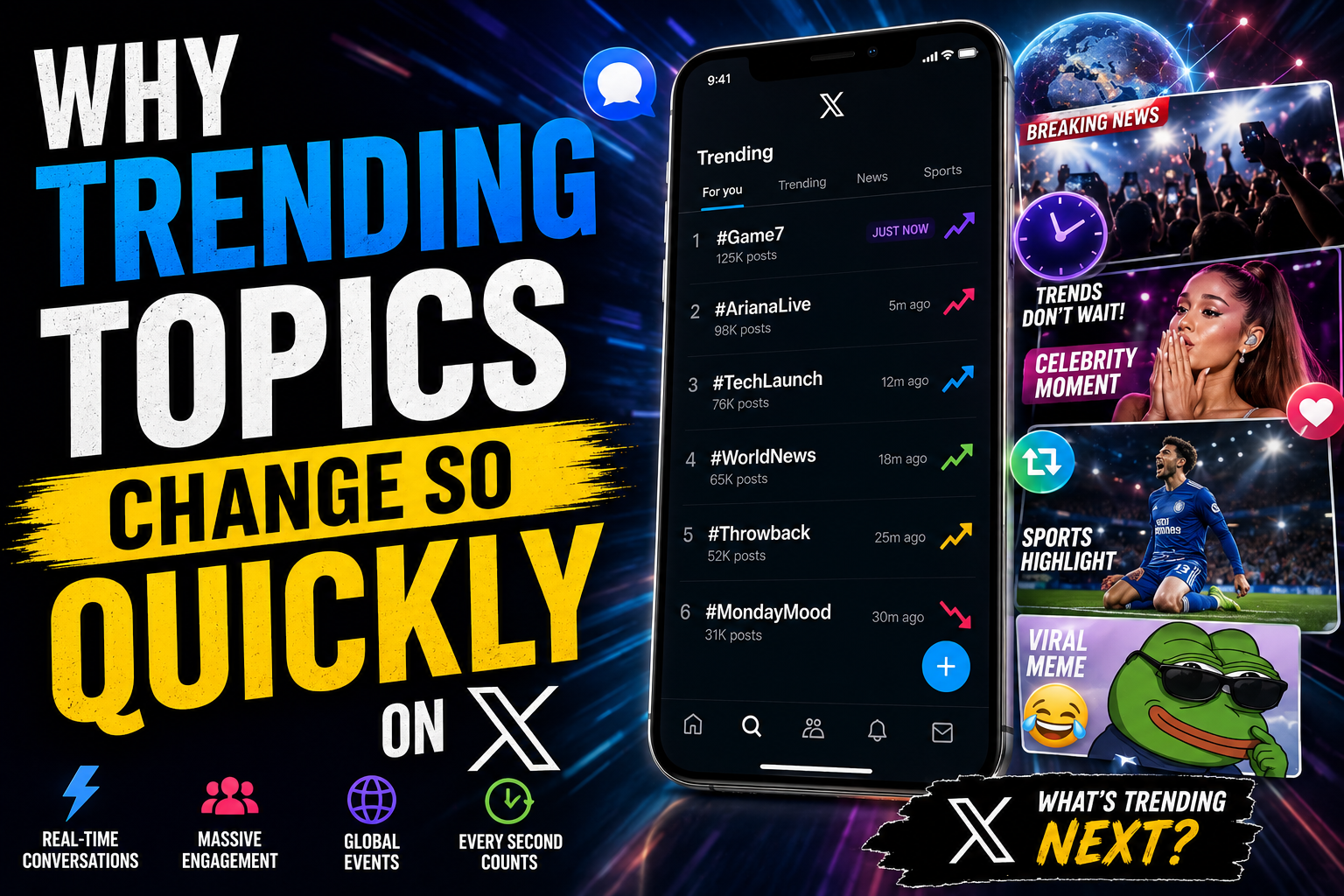
Comments, shares, watch time, replies, saves, and repeat views may show that users find a story relevant. YouTube says its recommendations consider viewer behavior, search history, satisfaction, and how similar audiences respond. TikTok also describes signals such as comments, shares, follows, captions, sounds, hashtags, and completion of longer videos in its explanation of video recommendations.
A story can move across formats as it grows. A private group may produce a screenshot, a public forum may add analysis, and a creator may turn the issue into a reaction video or livestream.
Search keeps attention alive
Social interest often creates branded searches, related questions, autocomplete suggestions, and news coverage. Search can extend a story after the first social spike fades.
Google Trends helps compare interest over time, but its data is relative rather than a count of total searches. Google explains that results are normalized on a 0-to-100 scale in its Google Trends data FAQ. A spike shows unusual interest, not proof that a claim is true.
Why Online Communities Make Certain Stories Go Viral Through Participation
The strongest viral stories invite people to do more than click. They ask users to react, vote, remix, investigate, donate, recreate, answer, or share a personal experience. Each action creates another path for discovery.
Easy actions bring more people into the spread
Polls, short replies, emoji reactions, tags, reposts, duets, stitches, and simple challenges lower the effort needed to join. That ease can produce a large response quickly, though easy participation does not always create understanding or lasting change.
User-generated versions multiply the original story. In 2015, “The Dress” debate spread through posts, screenshots, jokes, explanations, and arguments over whether the garment appeared blue and black or white and gold. BBC reporting at the time showed how visual ambiguity and disagreement encouraged people to create their own responses.
Clear calls to action give attention a direction
A strong prompt tells people what to do next: verify a claim, donate through a named organization, sign a petition, attend an event, or share a first-person account. The request works best when it is specific, credible, easy to complete, and tied to the group’s values.
Transparent sourcing matters. A fundraiser should identify the recipient and payment path. A public claim should link to source documents or direct reporting. Clear next steps turn a burst of attention into measurable action.
Context and Credibility Decide How Long Virality Lasts
The same post can perform differently depending on current events, audience timing, platform habits, and the reputation of the person sharing it. Elections, crises, sports events, holidays, product launches, and major releases create shared attention. Timing increases relevance, but it cannot replace accuracy.
Format and timing shape reach
A short visual explanation may work well in a fast feed, while a forum may reward detailed analysis and source documents. Captions, transcripts, readable text, descriptive headlines, mobile-friendly design, and clear links help more people understand the story.
Organic interest differs from manufactured urgency. Coordinated posting, fake engagement, and trend-jacking can create the appearance of public demand without genuine community support.
Credibility sustains public interest
A story can attract millions of views and still collapse after basic fact-checking. Corrections, expert context, source transparency, and timely updates help attention last.
Before sharing, identify the original source, confirm the date and location, compare independent reports, separate facts from interpretation, and update the claim when new evidence appears. Durable stories give communities something accurate to discuss, not only something exciting to repeat.
Conclusion
Online communities are more than audiences. They interpret stories, validate them, add context, create new versions, and carry them into other networks.
Shared identity creates relevance. Emotion creates momentum. Trust strengthens amplification. Platform systems expand reach, while participation produces fresh content. Timing can open the door, but credibility decides whether the story stays there.
To understand or create viral content, study the community first. Find the human or cultural stake, make participation easy, fit the format, provide reliable context, and watch how the story changes as people share it. High engagement shows that people are paying attention. It never proves that the story is true.