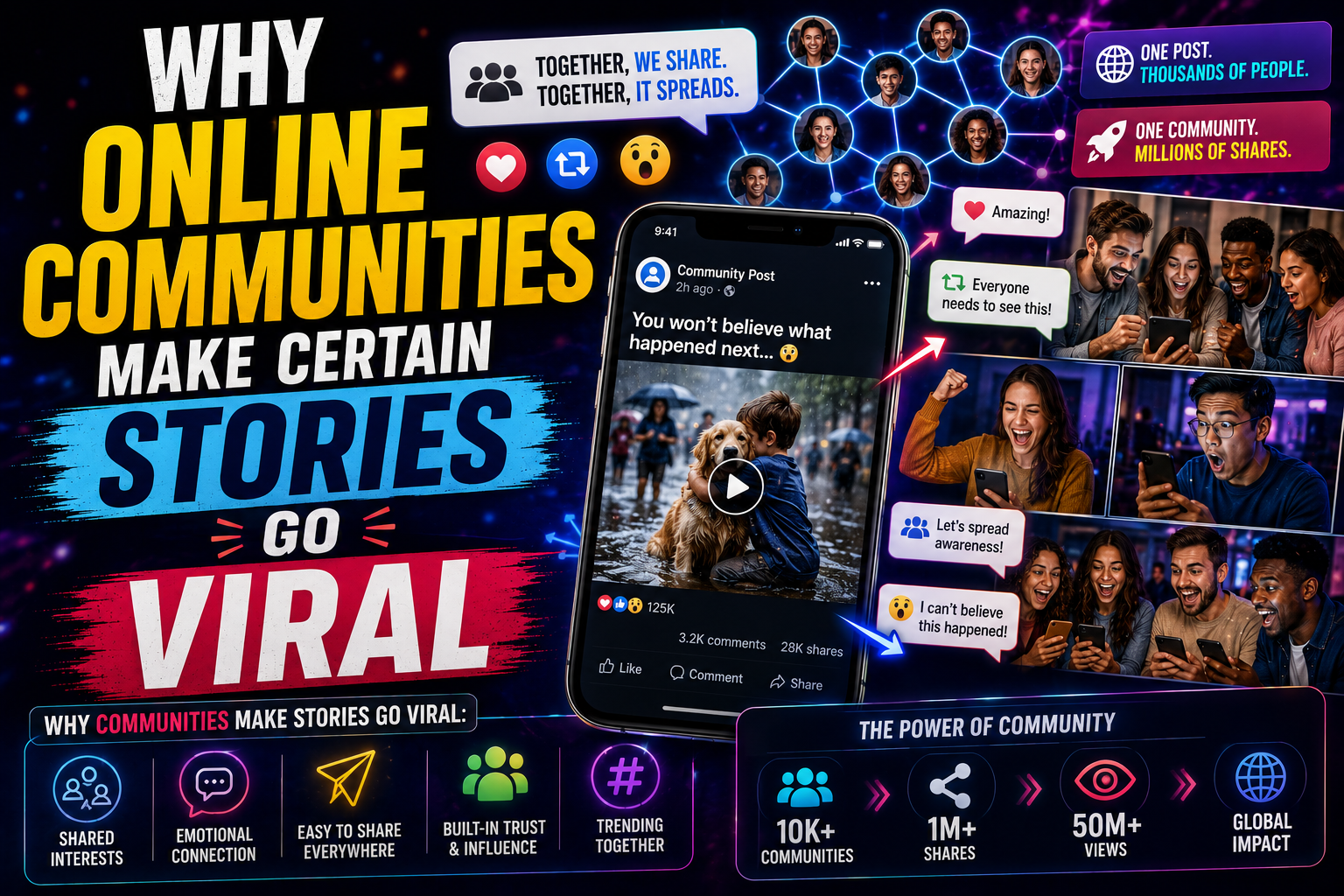

The clearest proof of how viral content influences modern pop culture came from a man riding a longboard while drinking Ocean Spray cranberry juice. Nathan Apodaca’s 2020 TikTok used Fleetwood Mac’s “Dreams,” sending the 1977 song back into charts and daily conversation. Soon, people copied the video, bought skateboards, quoted the clip, and helped Ocean Spray gain huge attention.
Virality now reaches far beyond online groups. A short video can affect music charts, fashion, slang, films, advertising, and public debate within days. Algorithms provide the spark, while sharing, imitation, remixing, celebrity attention, and news coverage keep the fire going. Viral content doesn’t only reflect pop culture. It helps create and speed it up.
How Viral Content Influences Modern Pop Culture Across Platforms
Recommendation feeds accelerate cultural discovery
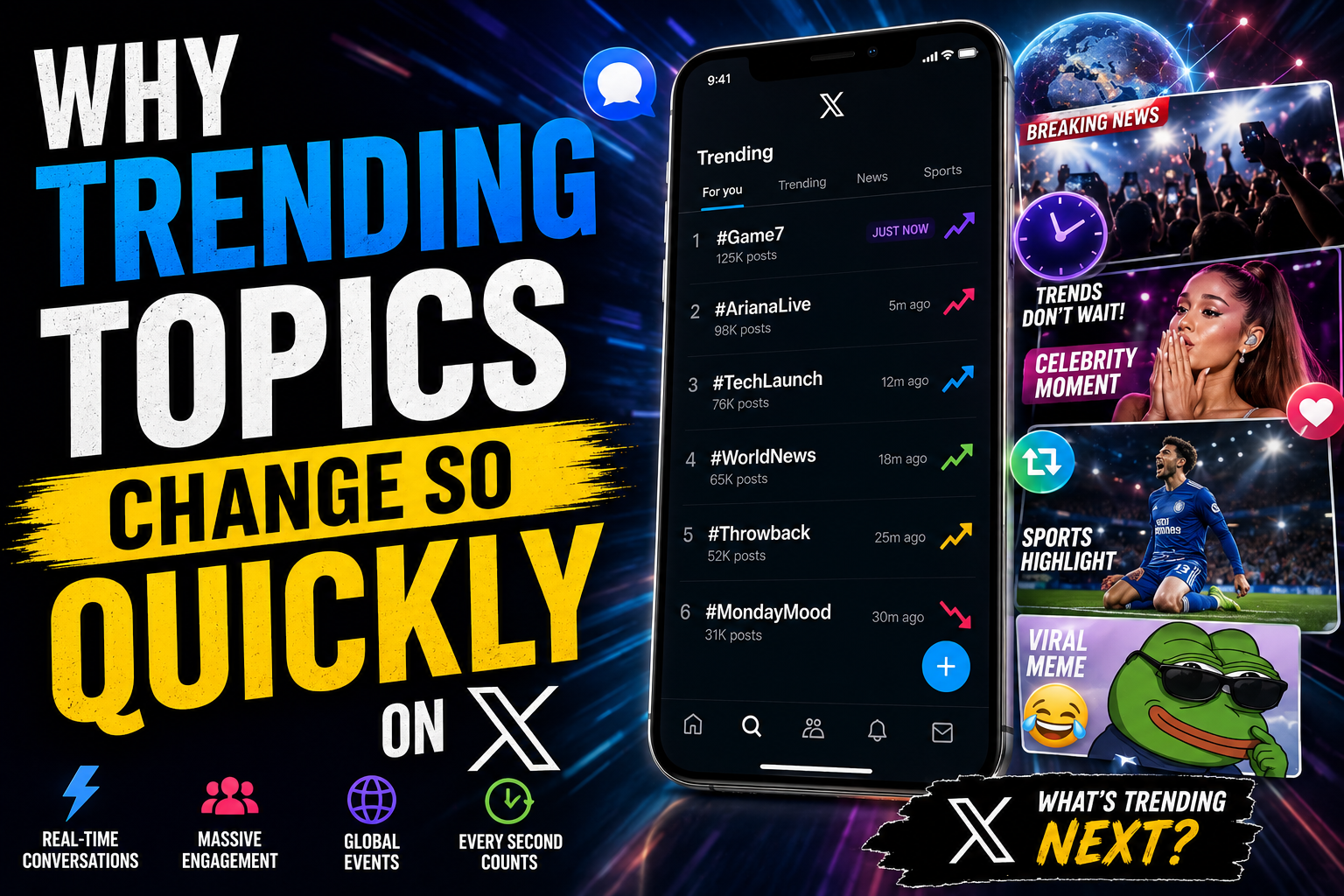
TikTok, YouTube, Instagram, and X can show a post to people who have never heard of its creator. Follower count still matters, but watch time, rewatches, comments, shares, and audience retention can push an ordinary post into a much larger feed.
This shortens the path between a niche group and a mass audience. A dance, song, phrase, or visual style can move from a small community to global awareness in a week.
The scale is enormous. DataReportal’s Digital 2025 report counted 5.24 billion social media user identities worldwide and an average of 2 hours and 21 minutes spent on social platforms each day. Its reported advertising reach also put YouTube at 2.53 billion, Facebook at 2.28 billion, Instagram at 1.67 billion, and TikTok at 1.59 billion adults. These figures are not direct counts of unique people, but they show why one format can cross borders so quickly.
Audiences turn posts into shared culture
Users add captions, copy dances, remix sounds, stitch videos, create reactions, and adapt jokes to local customs. Each version gives the original idea a new meaning and a fresh audience.
Henry Jenkins describes this process through participatory culture and media convergence. Audiences do more than receive entertainment; they circulate, reshape, and contribute to it. A viral trend succeeds because people can take part, not because they only watch.
Traditional media then adds fuel. A television host, newspaper, radio station, or celebrity may report on a trend, sending viewers back to the original platform. Barbenheimer showed this cycle in 2023, when online jokes around the same-day release of Barbie and Oppenheimer became a major entertainment story.
Viral Content Reshapes Music, Film, and Entertainment
Short videos revive older songs
Short-form video gives old music new settings. A song once tied to a specific decade can become a soundtrack for humor, romance, travel, or personal storytelling.
After Apodaca’s Ocean Spray video spread, Fleetwood Mac’s “Dreams” re-entered the Billboard Hot 100 in 2020 at No. 21. It later reached No. 12, giving the band its first new top-20 hit in decades. Younger listeners encountered the song through a meme-like video rather than through radio or a classic-rock playlist.
The song stayed the same, but its cultural meaning changed. It became both a 1970s recording and a symbol of carefree online performance.
Viral clips guide what people watch
A dance scene, character reaction, fan edit, or emotional line can send viewers toward a film or series. The viral “Wednesday” dance helped turn the Netflix series into a social event, while edits can also revive older movies that audiences discover through streaming.
The source of attention matters. Organic fan participation can create trust, while studio promotion may plant clips with creators or release scenes designed for sharing. Both can work, but audiences often respond better when a trend feels playful rather than forced.
Studios and musicians now plan for memorable sounds, short scenes, and repeatable formats. That can help people find good work, but it can also pressure creators to make every story instantly understandable and easy to turn into a clip.
Viral Culture Changes Language, Fashion, and Buying Habits
Online slang and aesthetics move offline
Words that grow inside gaming groups, meme spaces, Black internet culture, LGBTQ+ communities, and other subcultures often enter brand campaigns and everyday speech. Wider use can bring recognition, but it can also remove an expression from its history and turn it into a sales slogan.
Fashion follows a similar path. “Cottagecore,” “clean girl,” “mob wife,” and “Y2K” became recognizable style categories through hashtags, tutorials, celebrity posts, and repeated recommendations. Retailers then turned those labels into clothing racks, makeup launches, home decor, and search terms.
The speed creates short microtrends. A look can dominate feeds for weeks, then give way to a new style before many shoppers have worn the first one.
Memes affect what people buy
Viral recommendations can send readers to bookstores, shoppers to cosmetics counters, and travelers to places featured in a popular clip. BookTok is a clear example: creator reviews and emotional reactions have helped older titles and new releases gain attention, though awareness does not prove that every sale came from TikTok.
The Ocean Spray trend also shows the value of separating outcomes. The brand gained major visibility and Apodaca received a new truck, but those facts do not prove a precise increase in long-term revenue. Viral reach may create awareness, sales, or both, and each result needs separate measurement.
Viral Content Gives Communities New Influence
Creators can bypass old gatekeepers
Social platforms let independent musicians, comedians, writers, activists, and niche experts reach audiences without first winning approval from a label, publisher, broadcaster, or studio. This gives smaller groups more control over what receives attention.
danah boyd’s work on networked publics explains how online spaces shape visibility, identity, and public interaction. Zeynep Tufekci has also shown how networked movements can gather attention quickly, even when they lack formal leaders.
Access remains uneven. Algorithms can favor familiar faces, strong emotions, paid promotion, and content that fits platform rules. A creator may gain millions of views while receiving little credit or income.
Hashtags and local remixes shape debate
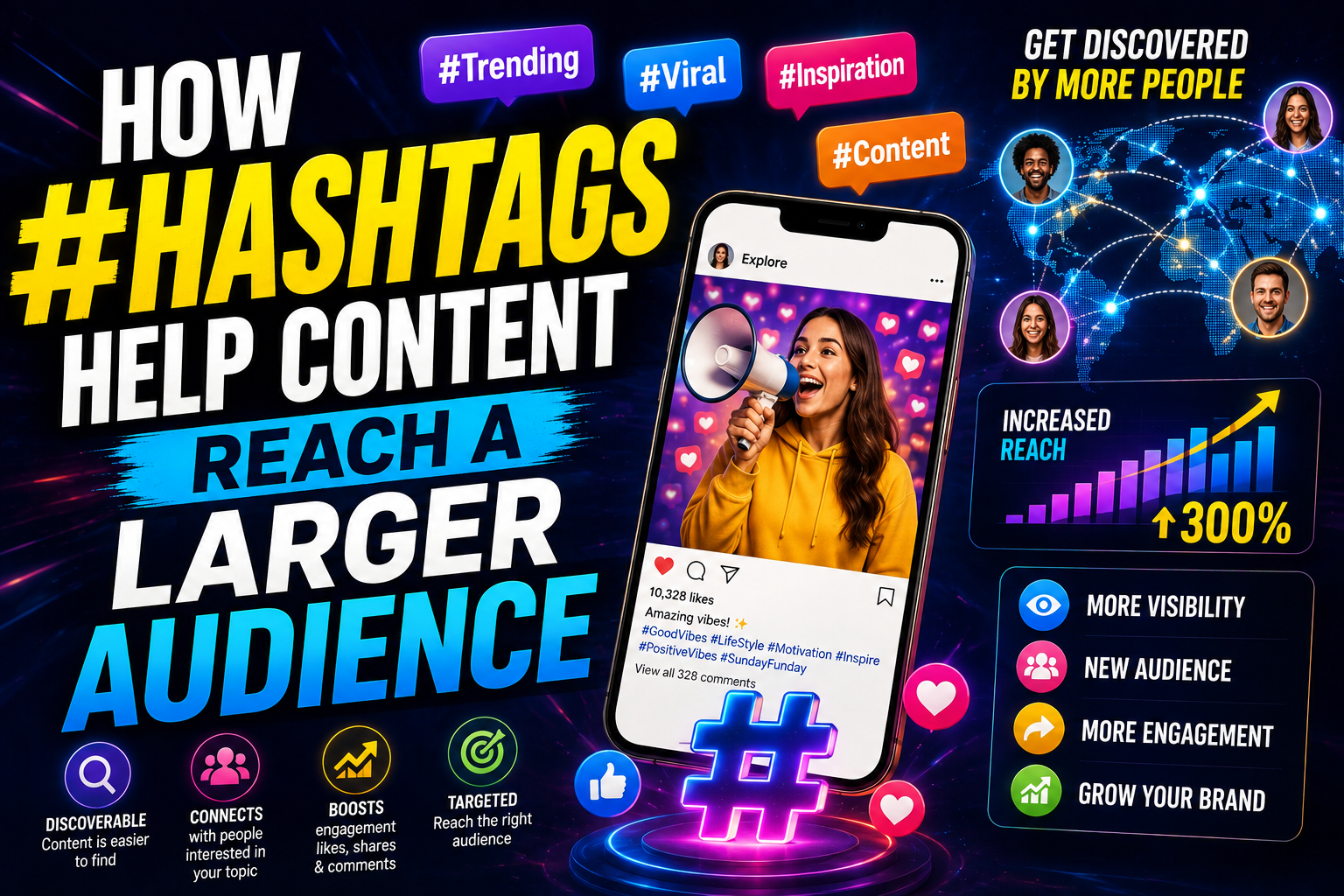
#MeToo and #BlackLivesMatter showed how personal testimony, hashtags, and video could push ignored issues into news coverage and institutional debate. Viral footage can give the public evidence that authorities or major outlets might have overlooked.
Attention has limits. Posts can spread false claims, invite harassment, strip events of context, or encourage symbolic participation without real action. Global trends also change when local communities translate jokes, pair formats with regional music, or reshape them around local concerns.
That process does not create one uniform culture. It creates a loop in which local versions travel outward and sometimes become the next global trend.
The Speed of Virality Creates Real Risks
Context disappears as content travels
A clipped video or screenshot may remove the date, speaker, setting, or events that explain its meaning. High engagement proves that content moved widely, not that it is accurate.
Before sharing a viral claim, find the first reliable source, compare reports from more than one outlet, check the date, and look for signs of editing or synthetic media. Give credit to the original creator when possible.
Creators can lose control
Larger accounts, celebrities, agencies, and brands may copy a joke, sound, dance, or image without fair credit. Copyright, music licenses, sponsorship rules, platform moderation, and payment terms can affect who benefits.
Viral attention also fades fast. Creators may burn out while repeating one successful formula, and brands can become tied to a trend that disappears within weeks. Views alone don’t show lasting audience growth, social change, or commercial success.
Sustainable Influence Requires More Than Going Viral
Creators gain more from attention when they build lasting relationships around it. Long-form videos, newsletters, owned communities, consistent publishing, and a clear creative identity can turn a spike into a stable audience.
Track more than views. Watch time, repeat viewers, retention, meaningful comments, returning members, and conversions reveal whether attention has substance.
Brands should listen before joining a trend. They should credit and pay contributors, secure rights for music and user content, disclose partnerships, preserve context, and measure sales or brand lift instead of counting impressions alone. Audiences can help by sharing original sources, questioning emotional claims, and asking who benefits from a trend.
Conclusion
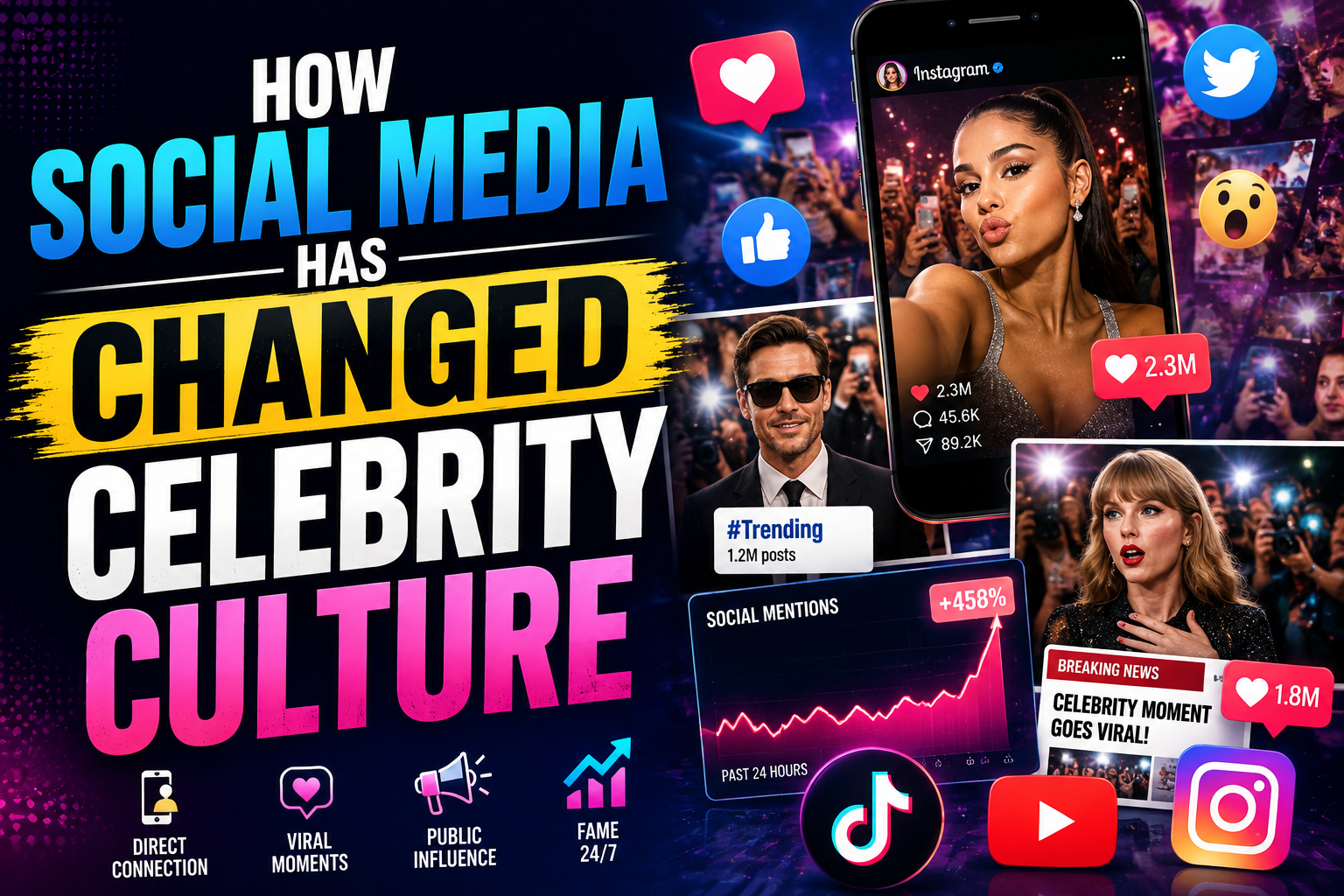
Viral content now influences music discovery, film and television viewing, slang, fashion, shopping, activism, and cultural exchange. Its power comes from several forces working together: recommendation systems, creative choices, audience participation, traditional media, commercial interests, and social context.
Online popularity does not equal truth, cultural value, or lasting influence. The strongest results come when viral attention grows into trusted communities, original work, fair credit, and measurable change.
Key Takeaways
- Viral posts can move niche ideas into mainstream culture.
- Short-form video can revive older songs and redirect entertainment discovery.
- Audiences shape trends through remixing, imitation, and local adaptation.
- Viral language and fashion can spread widely while losing cultural context.
- High engagement does not prove accuracy or long-term value.
- Sustainable influence requires trust, originality, credit, and continued participation.
Follow the source, credit the maker, and question the context before you help the next trend define what everyone talks about.