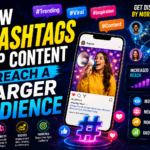





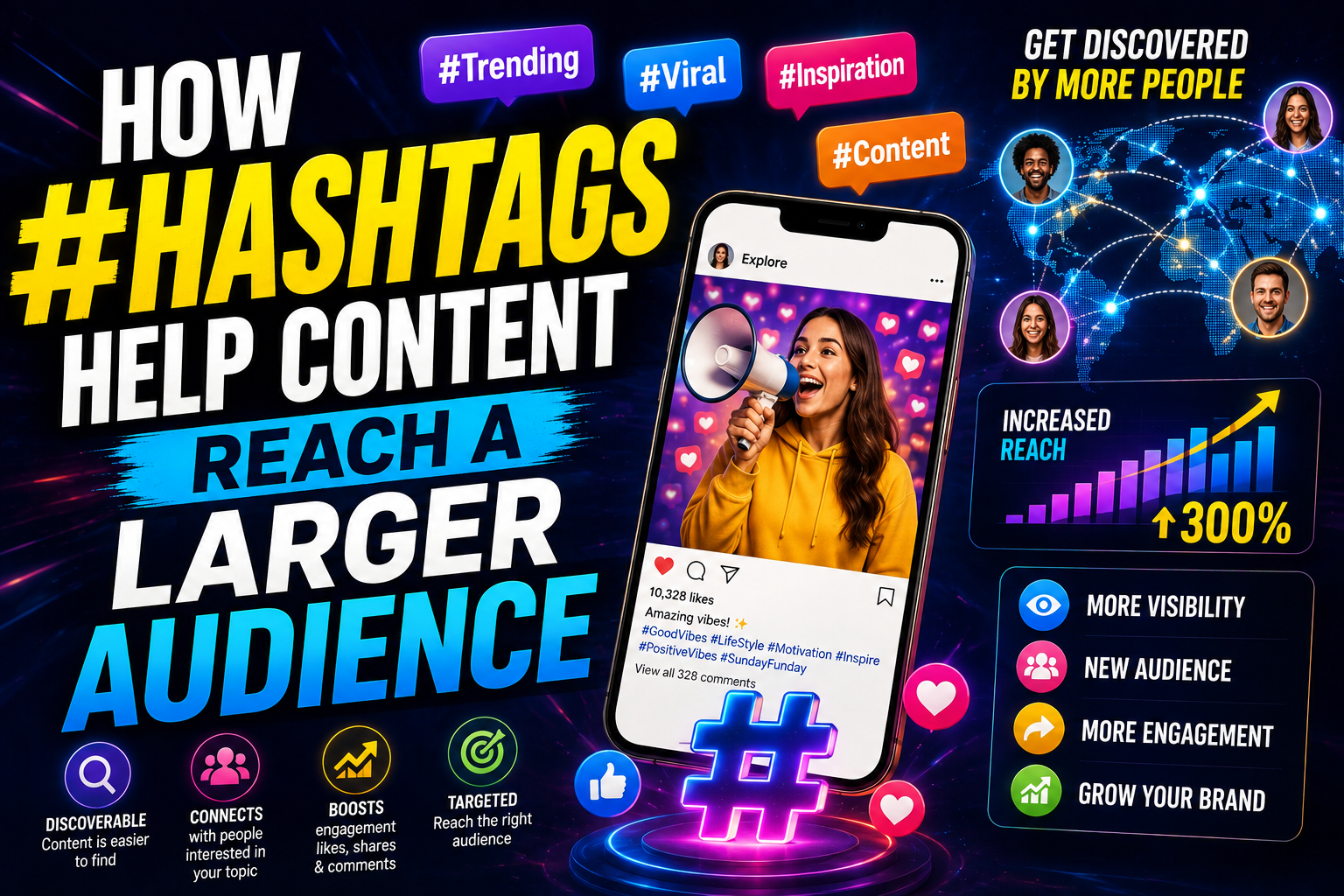
A single hashtag can put a post in front of people who have never heard of its creator. While follower-only publishing reaches an existing audience, hashtags connect content with searches, active conversations, trends, events, and interest groups. That is how how hashtags help content reach a larger audience becomes a practical question for creators, brands, and small businesses.
Hashtags aren’t a shortcut to viral reach. Their value comes from helping platforms sort content and helping users find posts that match their interests. A strong hashtag strategy supports social media reach, content discovery, and audience growth when the tags fit the post.
This guide covers hashtag research, audience relevance, platform-specific use, performance tracking, and practical ways to expand reach without attracting random viewers.
How Hashtags Help Content Reach a Larger Audience
Hashtags add context to a post. They act like searchable labels that tell people and platforms what the content covers, such as a topic, location, event, product, or community. A relevant tag can extend visibility beyond an account’s followers, though no hashtag guarantees extra impressions.
Hashtags connect content with active searches
People search for topics through hashtags when they want ideas, news, products, advice, or shared interests. A user looking for independent bookstores may search for #IndieBookstore, while someone attending a conference may follow its event tag.
The best approach is to match each tag to the exact subject and audience. A bakery in Austin will gain more from #AustinBakery or #AustinFood than from an unrelated global trend with millions of posts.
Hashtags help platforms categorize content
Platforms read hashtags alongside captions, keywords, visuals, engagement, watch time, and account activity. These signals help determine where a post may fit, but each platform ranks content in its own way. Hashtags are one signal among many.
Instagram says public posts with hashtags can appear on their related hashtag pages in its official hashtag guidance. That creates a discovery path, but the post still needs a clear caption and useful content to earn attention.
Hashtags expose content to interest-based communities
Niche hashtags can reach focused groups, including hobbyists, local residents, industry peers, event attendees, and professional networks. A book reviewer using #BookTok may reach readers who already watch book content, while a local designer may find clients through a city-based design tag.
Community tags also help users recognize shared conversations. Their value depends on a close match between the post and the group’s interests.
Relevant Hashtags Reach More Valuable Audiences
Large reach and useful reach are different outcomes. A smaller group that cares about the topic may create more comments, profile visits, leads, or sales than a large audience with no reason to engage.
Broad hashtags create awareness but intense competition
Popular hashtags can introduce content to a wide audience, but they also contain heavy competition and mixed intent. Posts may disappear quickly in a busy feed, and users may expect very different types of content under the same tag.
Use broad hashtags as part of a layered mix. A general tag such as #Marketing can support awareness, but it should sit beside more focused tags that describe the post’s audience or purpose.
Niche hashtags improve audience relevance
Specific hashtags narrow discovery by topic, profession, location, product, or problem. For example, a post could move from #Marketing to #SmallBusinessMarketing, then to #AustinSmallBusinessMarketing.
Each step gives users more context. Specific tags may attract fewer viewers, but those viewers are more likely to understand the post and take a useful action.
Branded and campaign hashtags build participation
A branded hashtag can organize customer stories, product launches, contests, events, and user-generated content. Coca-Cola’s #ShareACoke helped people group posts about personalized bottles, while #IceBucketChallenge helped participants identify related posts and invite others to join.
A branded tag does not automatically create discovery. Its main job is organization and participation. People usually need a clear reason to use it, such as a challenge, prize, event, product feature, or shared cause.
A Layered Hashtag Strategy Expands Reach Without Sacrificing Relevance
A useful hashtag strategy starts with the post, not a list of popular tags. Consider the topic, audience intent, competition, location, community, and platform before choosing terms.
Build hashtag groups around content themes
Create reusable groups for core brand topics, product types, audience problems, locations, campaigns, and events. Start by naming the main subject of the post, then list the words your audience would type or follow.
Add related niche, community, location, and branded tags. Remove anything that does not describe the post accurately. Reusable groups save time, but review them before each publication so old or unrelated tags don’t slip through.
Combine broad, niche, branded, and local tags
Broad tags support general awareness. Niche tags improve relevance. Branded tags organize community activity, while local tags help reach people in a specific area.
The right mix changes with the goal. A local service business may favor city and neighborhood tags, while an online educator may focus on subject and audience terms. Repurpose the topic across networks, but don’t copy the exact hashtag list.
Match hashtags with search intent
A hashtag should match the promise of the content. Informational posts need educational terms, event posts need event tags, and product posts need tags that reflect the product and buyer.
Before publishing, ask whether the hashtag accurately describes the post, whether the intended audience would use it, whether the profile or landing page fulfills the promise, and whether the tag has another negative or unrelated meaning.
Platform-Specific Hashtag Practices Determine How Far Content Travels
Hashtags do not work the same way on every network. Search habits, post formats, character limits, recommendation systems, and audience expectations all affect their value.
Instagram hashtags support topic discovery
On Instagram, hashtags can appear in captions or comments and connect public posts with hashtag pages. They can support Reels, carousels, and photo discovery, but strong visuals, useful captions, profile relevance, and audience response also matter.
Instagram’s current help guidance permits up to five hashtags on a post. Treat that as a limit, not a target. Test small, accurate sets and improve the hook, caption, and profile at the same time.
TikTok hashtags add context to strong creative
TikTok hashtags can show a video’s subject, trend, community, or intended audience. They help classify the content, but a trending tag won’t force a video onto the For You feed.
Watch time, viewer satisfaction, creative quality, and engagement play major roles in distribution. Use hashtags to clarify the video, then focus on an opening that earns attention quickly.
LinkedIn, YouTube, and X have different uses
LinkedIn hashtags often support professional topics and industry conversations. YouTube uses hashtags in titles and descriptions, and its help center says they can connect videos with related results; up to three description hashtags may appear near the title in some cases, according to YouTube’s hashtag guidance.
X is more tied to real-time discussions, news, events, and public conversations. Keep tags natural on each platform. Adapt the vocabulary and tone instead of pasting one universal list everywhere.
Measuring Hashtag Performance Reveals Which Reach Is Worth Keeping
Reach alone cannot show whether hashtags attracted the right people. Review non-follower reach, impressions, discovery sources, profile visits, saves, shares, comments, video views, and link clicks where the platform provides them.
Connect exposure to meaningful actions
Match measurement to the post’s goal. A brand-awareness post may focus on qualified engagement and profile visits, while a campaign may track sign-ups, product views, inquiries, event registrations, or sales.
Use unique campaign hashtags, trackable links, dedicated landing pages, or platform reports when you need clearer attribution. Hashtag exposure matters most when it leads to an action that supports the larger goal.
Test one variable at a time
Avoid changing the caption, creative, posting time, and hashtag group at once. Keep the main conditions similar across several posts, then compare broad-plus-niche groups with niche-only groups.
Record non-follower exposure, engagement quality, profile activity, and conversions. Keep the groups that support the goal, not only the ones with the highest impression count.
Common Hashtag Mistakes Can Reduce Reach and Trust
More hashtags do not always create more visibility. Irrelevant, repetitive, misleading, or restricted tags can weaken the connection between content and audience.
Avoid irrelevant and crowded hashtags
Unrelated popular tags may attract low-quality impressions and confused viewers. Those users may leave quickly, ignore future posts, or view the account as careless.
Crowded tags also make individual posts hard to notice. Use a few broad terms when they fit, then add specific tags that describe the real subject.
Check repeated, banned, and misleading tags
Search every hashtag before publishing. Review recent results to confirm that the conversation matches your intent, and check for spam, policy violations, or alternate meanings.
Platform rules can change, and a harmless tag can gain a new meaning over time. YouTube warns that misleading hashtags violate its policies, while excessive tagging can cause hashtags to be ignored. Regular reviews reduce unnecessary risk.
Conclusion
Hashtags help content reach a larger audience by connecting posts with searches, communities, events, and shared interests. Their strongest benefit comes from relevance, not raw popularity.
Define the post’s goal, research the language your audience uses, and choose a layered mix of broad, niche, branded, and location-based tags. Adapt that mix to each platform, measure non-follower discovery and meaningful actions, then refine it through repeated tests.
Hashtags can open the door to new viewers. Useful content, clear promises, and a close audience match determine whether those viewers stay, engage, and convert.