








A feed can feel predictable: polished photos, familiar jokes, and videos built around the same pattern. Then a routine clip suddenly changes direction, and your thumb stops. Surprise sparks laughter, disbelief, suspense, or concern. That instant shift helps explain why people love watching unexpected moments online. Unscripted events combine surprise, real emotion, storytelling tension, and a reason to connect with other people.
Surprise Breaks the Monotony of Endless Scrolling
Predictable posts require little effort from viewers. An unexpected turn creates a small gap between what people expect and what they see. Their attention moves toward closing that gap.
The brain responds to what it cannot predict
A routine performance may seem easy to follow until a prop falls, a speaker makes a mistake, or a stranger enters the frame. The change interrupts passive browsing and gives viewers a reason to keep watching. People want to know what caused the event and what will happen next.
Anticipation can begin before the surprise arrives. A pause, nervous glance, or strange sound signals that something may be wrong. When the outcome differs from expectation, the moment often feels more memorable than the routine around it.
Sudden twists create instant mental engagement
An unexpected clip turns viewers into quick interpreters. They ask, “Was that real?” “What caused it?” and “How will everyone react?” Even a short video can prompt several mental checks at once.
Some clips earn replays because the first viewing leaves too much to process. Viewers watch again to catch a missed detail or understand the timing. Harmless surprise can feel funny, while shock, confusion, or distress may create a very different response.
The best moments feel surprising, not forced
Natural timing makes surprise more satisfying. A genuine mistake or spontaneous reaction often feels stronger than a prank with an obvious setup and exaggerated acting. Viewers notice when a video pushes too hard for a shocking result.
Context also matters. A believable setting, clear timing, and visible reactions help audiences understand why the event matters. The strongest viral surprise videos change an ordinary scene without making the outcome feel manufactured.
Authentic Reactions Make Viewers Feel Connected
People watch the event, but they also watch the faces around it. A sudden laugh, long pause, or burst of confusion gives the clip a human center. Reactions help viewers feel present at the scene.
Unfiltered emotion signals that a moment is real
Facial expressions, awkward pauses, laughter, and spontaneous words can make a video feel less polished. Viewers often study the reaction as closely as the event itself. A person’s response adds clues about the meaning of what happened.
Authenticity is a judgment, not proof. A staged or edited clip can still look natural, especially when cuts remove useful context. That is why emotional realism may attract attention even when the full story remains uncertain.
Shared embarrassment and laughter create bonds
Secondhand embarrassment can feel uncomfortable, yet viewers often keep watching. They wonder how the person will recover and compare the scene with moments from their own lives. Relief after an awkward event can make the ending feel rewarding.
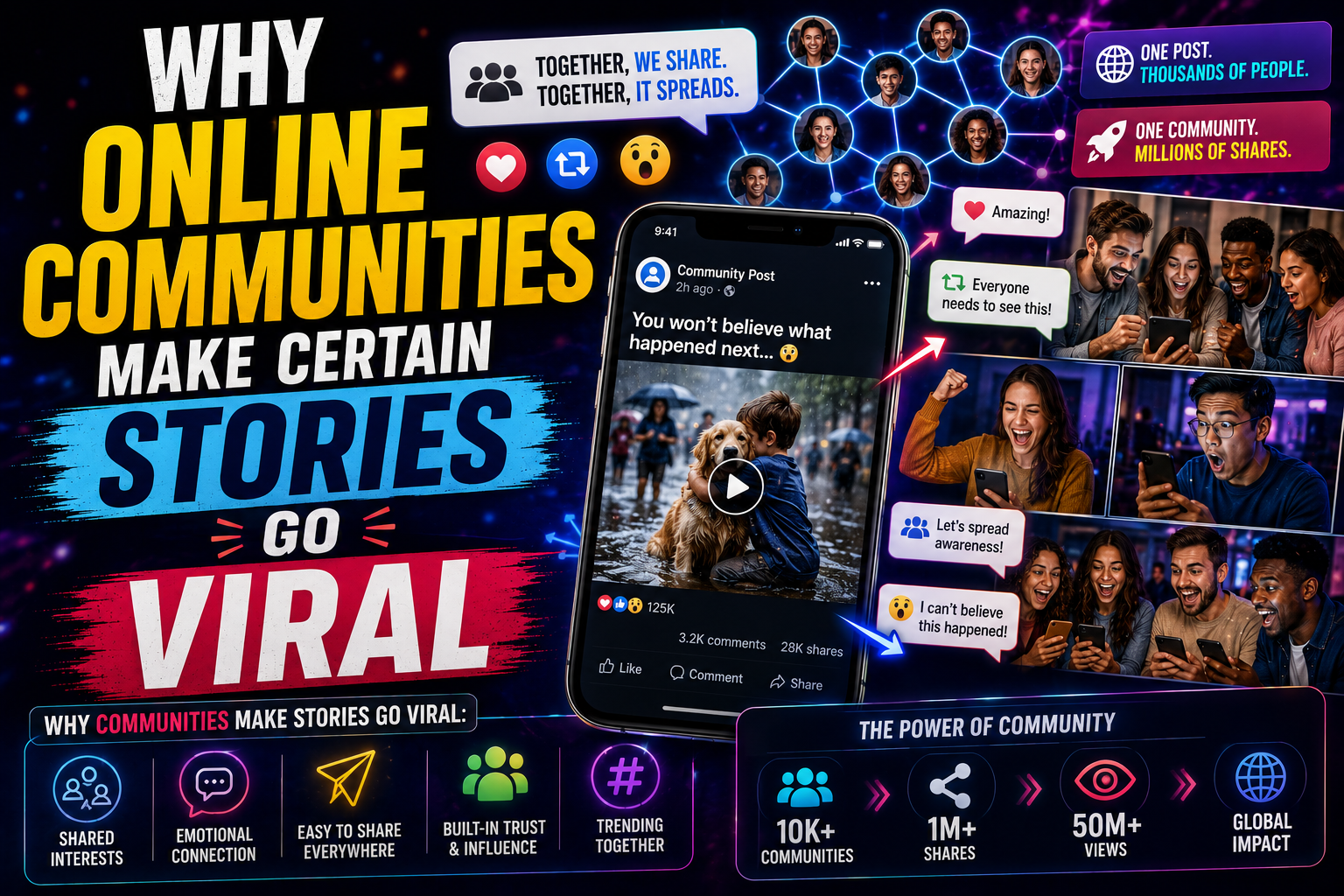
Laughter also spreads through imagined company. People picture friends, family, or strangers reacting to the same clip. Comments, tags, and group chats turn one person’s surprise into a shared social experience.
Unscripted moments invite empathy
An unexpected reunion may bring tears. An act of kindness may inspire admiration, while a public mistake may lead viewers to defend or criticize the person involved. Context decides whether an audience responds with compassion, amusement, concern, or anger.
Real people deserve care when their reactions become public entertainment. Viewers should consider consent, privacy, and dignity, especially when a clip involves children, grief, medical trouble, or someone caught off guard.
Why People Love Watching Unexpected Moments Online as Stories
A short clip can contain a full story in seconds. It begins with a familiar setting, introduces a disruption, shows reactions, and reaches an outcome. This simple structure keeps viewers involved.
A familiar setup makes the surprise stronger
A routine sports play, interview, family gathering, live broadcast, or public event gives viewers a clear baseline. They understand what should happen before something interrupts it. Without that context, the surprise may seem random or confusing.
Captions, framing, and quick edits can establish the setup fast. Still, too much cutting may hide key facts. Viewers need enough information to understand what changed and why the moment matters.
Viewers stay to discover the outcome
Surprise creates open questions. Will the performer recover? Will the hidden guest appear? Did the speaker misunderstand the situation? These questions encourage people to finish the clip, replay it, or search for a longer version.
Incomplete information also fuels comments and speculation. That curiosity can be useful when it leads people toward reliable context. Misleading captions and clickbait create attention without delivering a fair explanation.
A clear resolution makes the clip satisfying
A successful recovery, kind response, unexpected reveal, or harmless misunderstanding gives viewers a payoff. People can retell the sequence in a few words, which helps the moment travel. Confusing edits often frustrate audiences because the emotional reward never arrives.
Resolution does not always require a happy ending. A clear outcome can also leave viewers concerned or thoughtful. What matters is that the clip gives enough truth for people to understand what happened.
Surprise Gives People a Reason to Share
Watching is private, but sharing turns a clip into a social message. A person may send it to express humor, disbelief, empathy, or a shared interest. “You have to see this” often means, “This made me think of you.”
Sharing expresses personality and belonging
People choose clips that fit their identity and group norms. One viewer may share a clever recovery, while another shares the same video because it shows kindness or absurdity. Different audiences can find different meanings in one unexpected moment.
Tags also strengthen relationships. Sending a funny mistake to a close friend may signal trust, while posting an emotional reunion can invite a wider group response. Sharing helps people participate in a community without writing a long explanation.
High-arousal emotions encourage action
Research by Jonah Berger and Katherine Milkman, including their 2012 study in the Journal of Marketing Research, examined how emotion affects online sharing. Their work linked high-arousal feelings, such as amusement, awe, anger, and anxiety, with a stronger urge to pass content along. Low-energy feelings tend to create less pressure to comment or repost.
Surprise often raises emotional energy because viewers must react quickly. They may tag a friend, add a joke, argue about the event, or describe it in a post. The stronger the feeling, the more likely the clip becomes a topic rather than a passing view.
Platform tools extend a surprise
Recommendation feeds, autoplay, reaction buttons, reposts, and comment threads help one upload reach new audiences. A clip can move from a private account to several platforms within hours. Captions and thumbnails may sharpen the setup, though they can also exaggerate what happened.
These systems often reward watch time and interaction. They do not always reward accuracy or full context. A popular clip may spread because it holds attention, not because it gives viewers a fair account.
The Internet Turns One Moment Into a Cultural Event
Large audiences add meaning to unexpected clips. People explain, edit, parody, defend, and challenge them. A few seconds can become a shared reference.
Live events create shared surprise
The 2017 Academy Awards Best Picture mix-up shows why live broadcasts feel powerful. Warren Beatty and Faye Dunaway first announced La La Land, then organizers corrected the result and confirmed Moonlight after the wrong envelope reached the presenters.
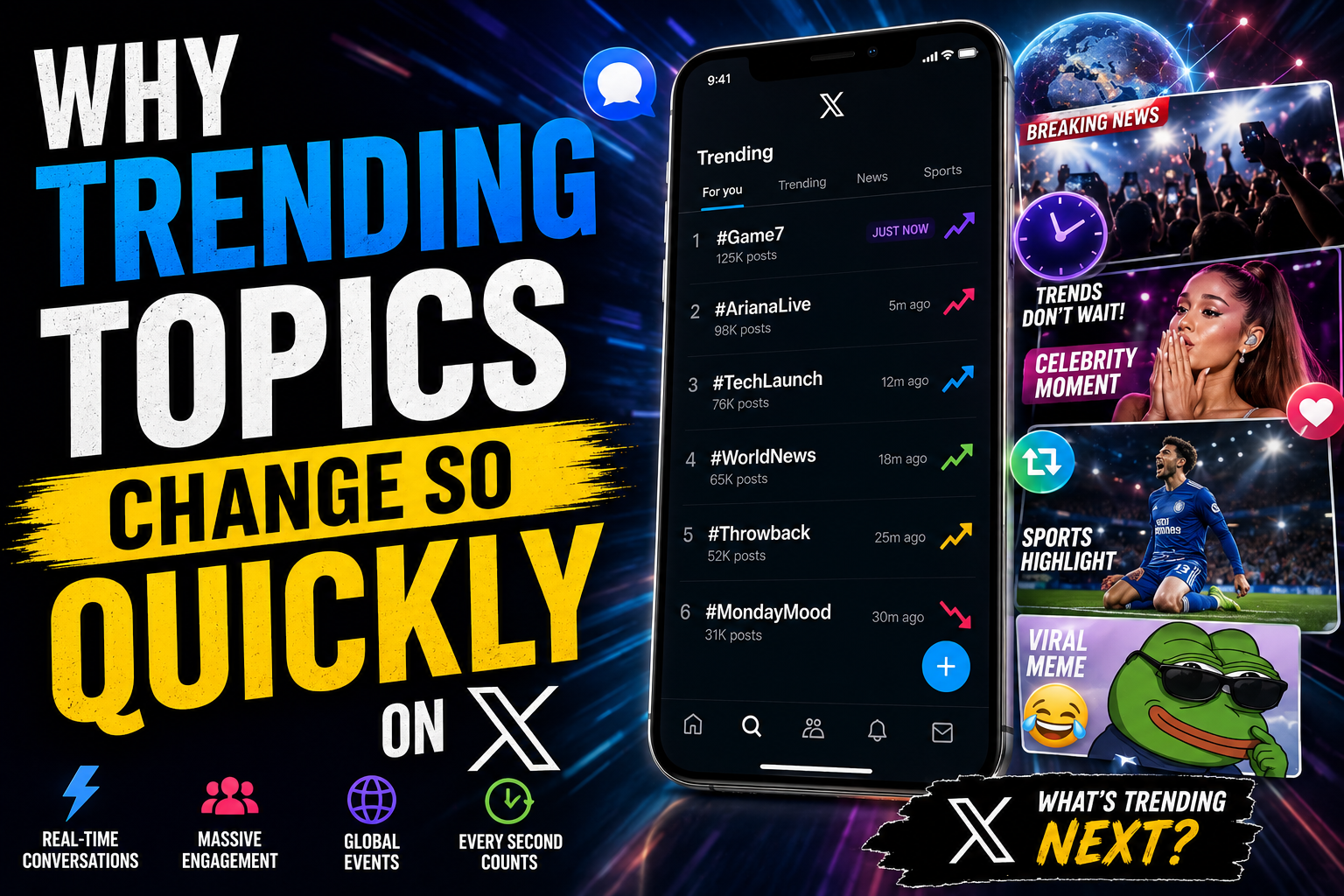
Viewers saw confusion and correction unfold in real time. The visible reactions became part of the story, and recordings spread across news reports and social feeds. Live events remove the comfort of knowing the ending before it happens.
Memes and remixes extend a clip’s life
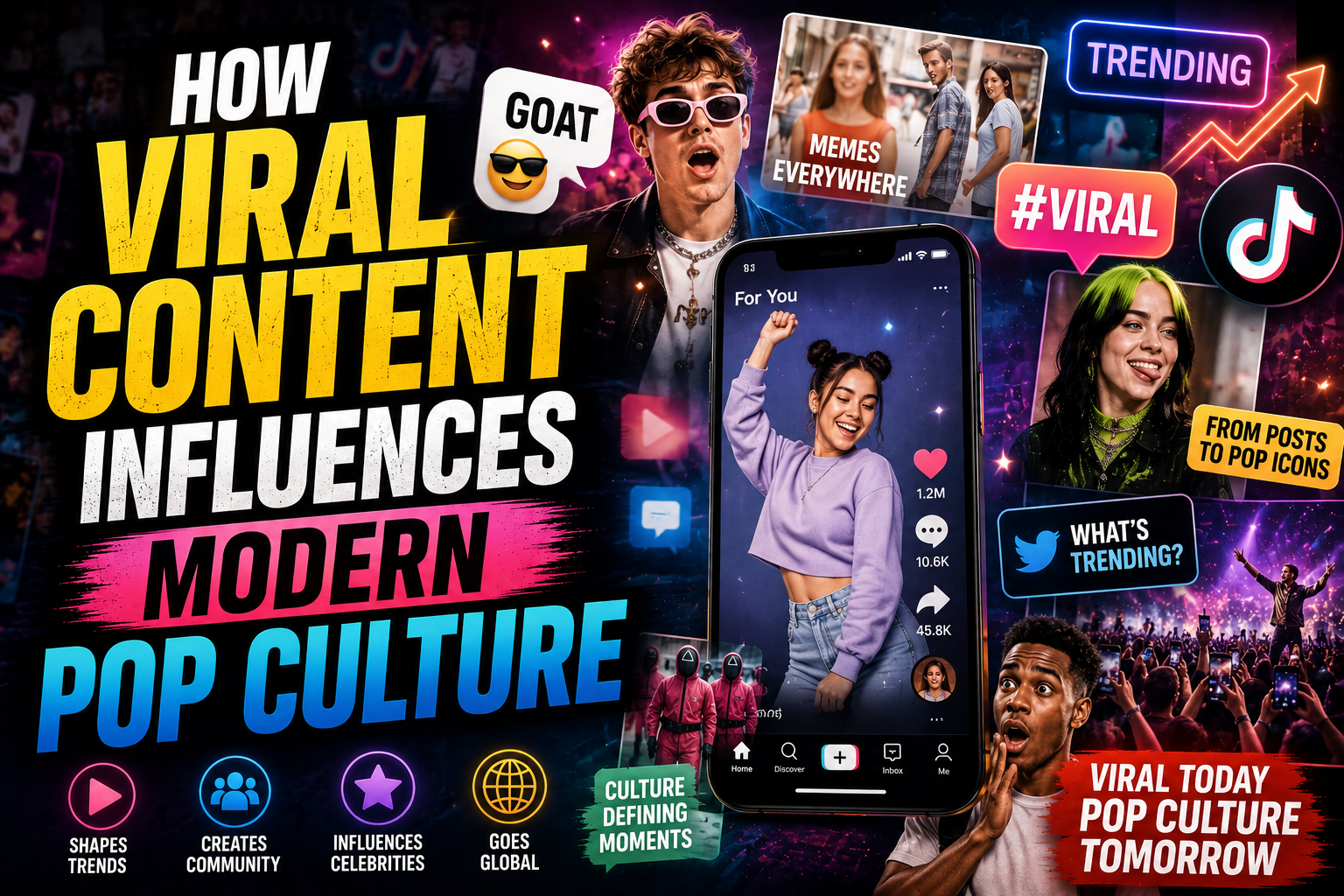
Captions, reaction videos, parodies, and edits give old footage new uses. A recognizable facial expression may become a response to an unrelated event. The original surprise remains, but each remix adds another layer of meaning.
Repeated edits can also remove vital context. A clipped reaction may appear cruel, funny, or dramatic when the full recording shows something else. Remix culture keeps moments alive, but popularity does not prove authenticity.
Collective interpretation shapes meaning
Comment sections help audiences decide whether a moment seems staged, funny, harmful, impressive, or important. Eyewitnesses and expert voices may add facts that the original clip leaves out. Original uploads can also correct rumors created by fast reposting.
Crowd agreement has limits. A large response cannot prove that footage is current, fairly edited, or harmless. Viewers should treat collective interpretation as discussion, not evidence by itself.
Watching Unexpected Content Can Be Enjoyable Without Being Reckless
Surprise makes content engaging, but real people may bear the cost of attention. A quick check can protect viewers from false claims and protect subjects from unwanted exposure. Responsible sharing keeps the fun without ignoring harm.
Check context before treating a clip as fact
Before reposting, look for the original uploader, date, location, and full-length version. Search reputable reporting when a video involves breaking news, a public incident, or a serious accusation. Watch for recycled footage, selective edits, false captions, or signs of synthetic manipulation.
Share the emotion without exploiting someone
Avoid spreading humiliating footage of private people without permission. Take extra care with accidents, emergencies, children, grief, and people who may not understand how far a recording can travel. Tagging a person can create connection, but it can also bring unwanted attention.
Create surprise through storytelling
Creators can build interest with a clear setup and a genuine payoff. Titles and captions should raise curiosity without falsely describing the event. Staged scenes require clear consent, physical safety, emotional care, and honest disclosure when editing or planning affects the result.
Conclusion
The appeal of unexpected moments online comes from several forces working together. Surprise interrupts scrolling, authentic reactions create emotional closeness, and uncertainty turns a brief clip into a compact story. A clear resolution then gives viewers a reason to remember and share it.
People also pass along viral surprise videos to express humor, identity, empathy, and belonging. Platforms amplify those feelings, while comments and remixes help a moment become part of shared culture. Before sharing, check the context and consider the person on screen. The best unexpected moments do more than surprise viewers: they make people feel, wonder, laugh, and connect.