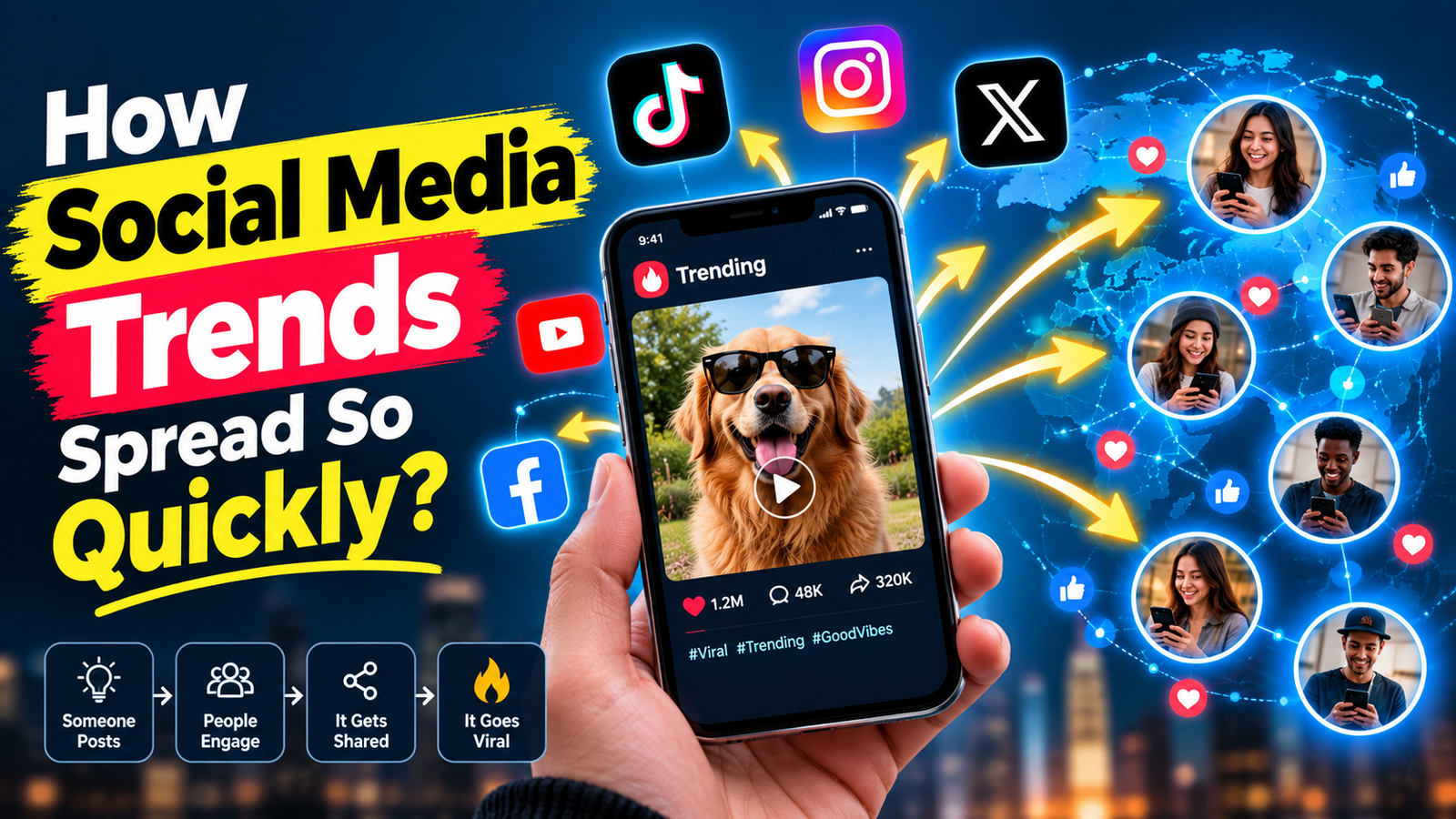
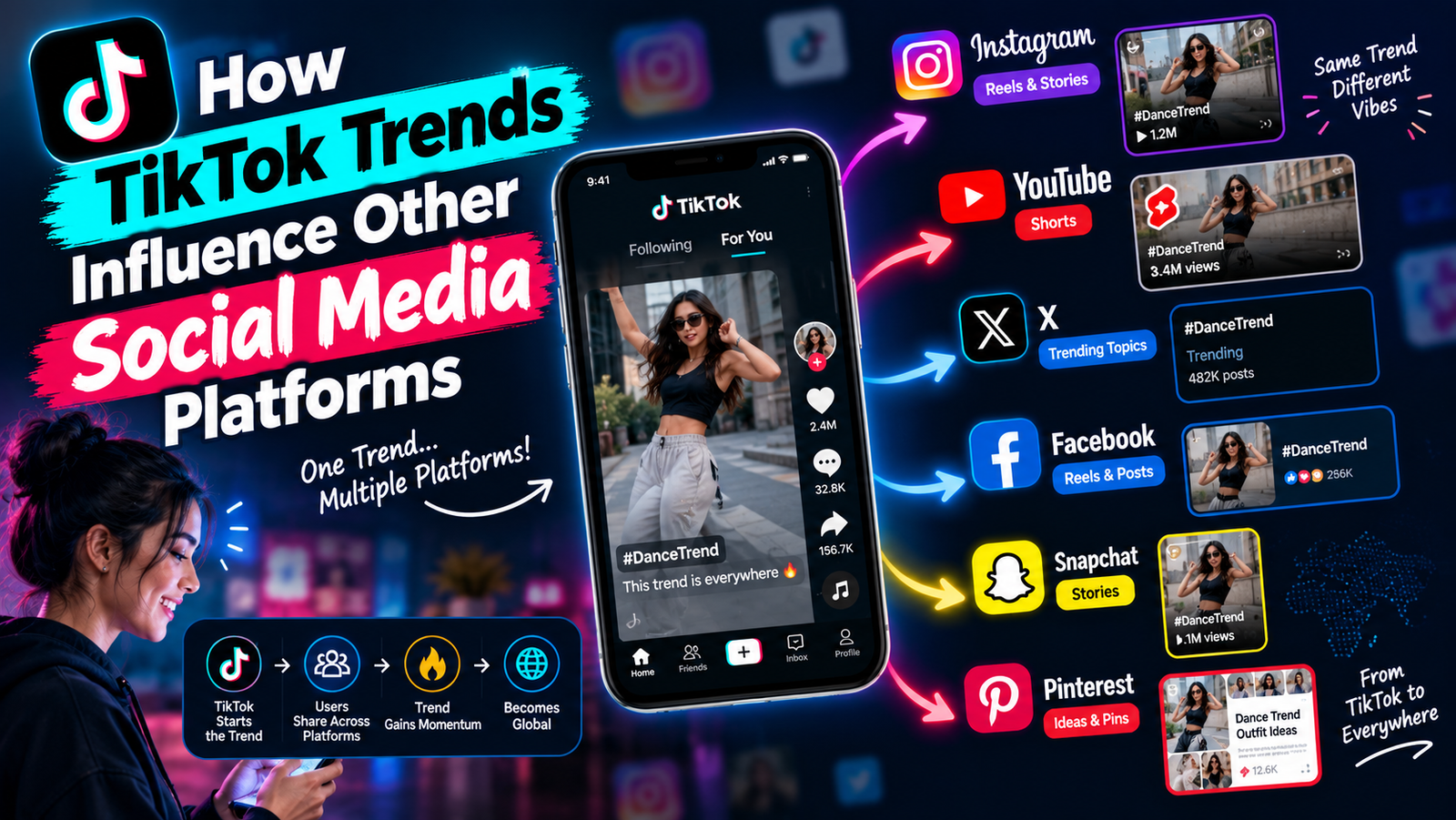
A song, meme format, editing trick, or challenge can appear on TikTok today and show up on Instagram Reels, YouTube Shorts, Facebook videos, and group chats tomorrow. This rapid movement explains how TikTok trends influence other social media platforms far beyond one viral post.
TikTok changed what people expect from social content. Short videos now drive discovery, music shapes participation, and creators build posts for recommendation feeds instead of followers alone. The result affects creators, brands, platform design, and audience habits.
Why TikTok Trends Influence Other Social Media Platforms
TikTok made short-form video a central part of social media. Its vertical, mobile-first format fits quick viewing, easy recording, and constant scrolling.
TikTok speeds up trend discovery
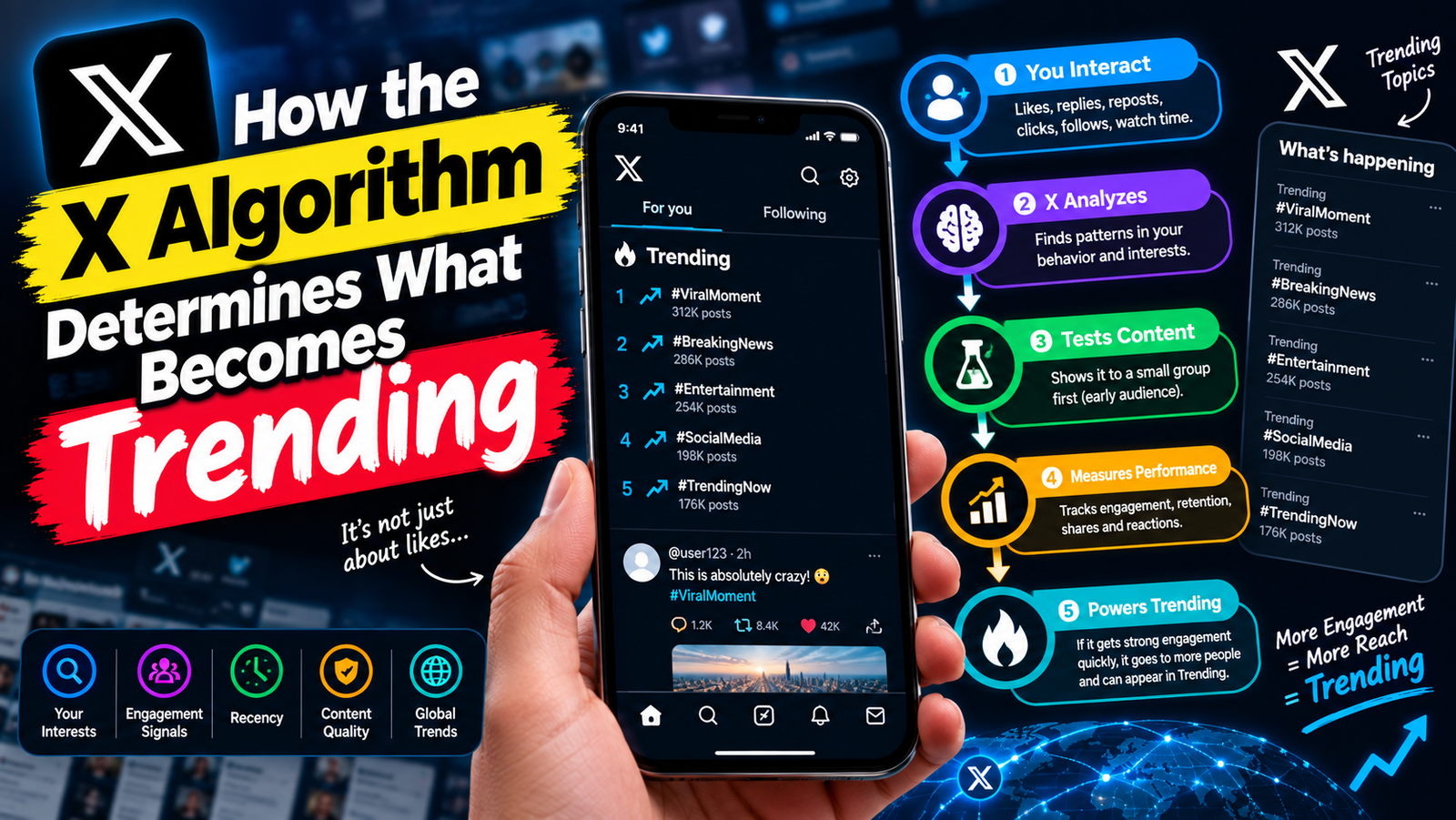
TikTok’s For You feed recommends videos based on actions such as watching, sharing, commenting, following, and creating content. It also considers video details such as sounds, captions, and hashtags, according to TikTok’s For You explanation.
This system can expose a small creator to viewers who have never followed the account. Repeatable formats spread faster because users can copy the structure, add a new joke or opinion, and invite more people to participate.
Reels, Shorts, and Facebook followed the demand
Instagram launched Reels as a short-video tool with music, effects, timers, speed controls, and wider discovery through Explore, as described in Instagram’s Reels launch post. YouTube developed Shorts, while Facebook increased the visibility of short videos across its service.
These changes reflect a shared shift in user behavior. People now expect a strong opening, clear captions, quick pacing, vertical framing, and a story that reaches its point without delay. Expensive production helps, but relevance and personality often matter more.
TikTok Sounds and Music Trends Reshape Social Content
TikTok turned audio into a creative prompt. A single track can guide thousands of unrelated posts, including jokes, tutorials, product clips, reactions, and personal stories.
Viral sounds make participation easier
A familiar sound gives creators a starting point. They can follow a known rhythm or punchline while adding their own setting, message, or performance.
That lowers the pressure to invent a format from scratch. The sound also helps viewers understand the joke or mood before the video finishes, which makes sharing easier across other networks.
TikTok affects music discovery
TikTok has helped older songs, new artists, and short music clips find fresh audiences. Fleetwood Mac’s “Dreams” returned to the Billboard Hot 100 in 2020 after Nathan Apodaca’s viral TikTok showed him drinking cranberry juice while skating. The song had first been released in 1977.
Audio rights still differ by platform and country. A track available on TikTok may be missing from Instagram, Facebook, or YouTube, or may have different commercial limits. Creators should use each platform’s music library, check business-use rules, and avoid assuming that TikTok permission transfers elsewhere. YouTube’s Shorts guidance also explains limits for music, claims, and monetization.
TikTok’s Editing Language Became a Visual Standard
TikTok trends spread through editing choices as much as through topics. Quick cuts, bold text, reaction shots, beat changes, and visual reveals now appear across nearly every short-video feed.
Fast hooks compress the story
Many TikTok-style videos open with a surprising claim, show the result first, or present a problem in the first few seconds. The rest of the clip gives context, steps, or proof.
Creators can use this structure on Reels, Shorts, Snapchat Spotlight, and Facebook without copying a specific post. A useful idea becomes stronger when the creator adds personal knowledge, a clear point of view, or a fresh visual approach.
Captions support silent and accessible viewing
On-screen text helps people follow videos when sound is off. Accurate auto-captions, strong contrast, readable type, and enough display time also improve access for viewers with hearing or visual needs.
Essential information should never appear only in spoken audio. Fast edits and small text may look stylish, but they can reduce comprehension. Familiar templates can also cause feed fatigue, so creators should keep the useful structure while changing the story, pacing, and visual identity.
How Creators and Brands Adapt TikTok Trends
TikTok trends influence social media strategy because one idea can now produce several platform-specific posts. The best workflow starts with a core concept, not a single finished upload.
Creators build versions for each network
A creator might record one clean vertical video, then change its length, cover image, caption, audio, call to action, and opening line for each platform. Search terms may matter more on YouTube, while shares and saves may matter more on Instagram.
Exporting a watermark-free file prevents the post from looking copied and gives each network a clean upload. Creators should also check current size, length, caption, and music rules before publishing.
Brands need speed and judgment
Brands use trends for demonstrations, behind-the-scenes clips, employee videos, tutorials, humor, and creator partnerships. Trend participation works best when it matches the brand voice and gives viewers a reason to care about the product.
Before posting, teams should assess audience fit, brand relevance, trend lifespan, safety, cultural sensitivity, rights clearance, and the chance to add an original angle. Forced product placement, late trend use, and copying a creator without credit can damage trust faster than a missed trend.
TikTok’s Influence Drives Platform Competition
Other networks now compete for the same viewing time by copying parts of TikTok’s creation and discovery model. Their tools reduce the distance between finding a video, making a response, and sharing it.
Similar tools shape user behavior
Algorithmic video feeds, remix functions, templates, duet-style collaborations, audio libraries, live shopping, and creator analytics now appear across major platforms. Each feature encourages users to participate instead of watching passively.
The platforms still place these tools inside different social settings. Instagram connects short videos to profiles and direct messages, YouTube links Shorts to search and long-form channels, and Facebook connects videos to groups, pages, and older audiences.
Short video changes creator income
Short-form video supports ad revenue, sponsorships, affiliate links, tipping, subscriptions, shopping, and platform incentive programs. Yet views do not carry the same value everywhere.
A trend that earns millions of TikTok views may produce fewer YouTube subscribers or Instagram sales. Track watch time, completion rate, saves, shares, profile visits, clicks, and conversions by platform instead of treating TikTok reach as a universal forecast.
Cross-Platform Trend Adoption Brings Benefits and Risks
TikTok-driven formats give more people a quick way to publish and find an audience. They also spread mistakes and creative disputes at the same speed.
Trends help smaller creators gain visibility
Recommendation feeds can expose niche experts to viewers outside their follower base. Temporary reach becomes lasting growth when creators offer useful knowledge, a distinct voice, regular posts, and real interaction with their community.
The same system can blur ownership. Reposting without attribution, removing watermarks, copying choreography, or treating a distinctive format as free property harms the person who created it. Credit identifiable originators, seek permission for distinctive work, and add meaningful transformation.
Fast trends can spread harmful claims
Challenges, edited clips, health advice, political stories, and manipulated media can gain attention before anyone checks the facts. A format repeated across TikTok, Reels, Shorts, and Facebook can make a weak claim look trustworthy.
Verify sources before sharing, avoid repeating unconfirmed claims, review platform rules, and consider physical or social harm before joining a challenge. Rights and privacy matter too, especially when videos include children, private individuals, or copyrighted material.
What TikTok’s Influence Means for Social Media’s Future
TikTok has pushed social platforms toward short video, sound-led participation, rapid editing, recommendation feeds, and creator-focused tools. Its influence will continue through features that make discovery, creation, shopping, and sharing feel connected.
Useful trends last longer
A trend with practical value, strong emotion, or flexible participation can outlast a repetitive meme. Communities help shape its meaning, while algorithms decide which versions receive more exposure.
Original interpretation beats imitation
Creators can use a trend as an entry point, then stand out through expertise, humor, storytelling, production choices, or audience insight. Tracking which patterns earn saves and comments helps teams build repeatable content without repeating the same post until it feels stale.
Conclusion: TikTok Trends Set the Pace for Social Content
TikTok influences other social media platforms by introducing formats and behaviors that competitors adopt, adjust, and place inside their own services. Short-form video, sound-based participation, fast editing, trend marketing, creator monetization, and rapid content cycles now shape the wider social media experience.
Successful adaptation means translating the idea rather than copying the post. Monitor trends across platforms, use licensed assets, credit original creators, tailor each version to its network, measure platform-specific results, and choose relevance and originality over imitation.