



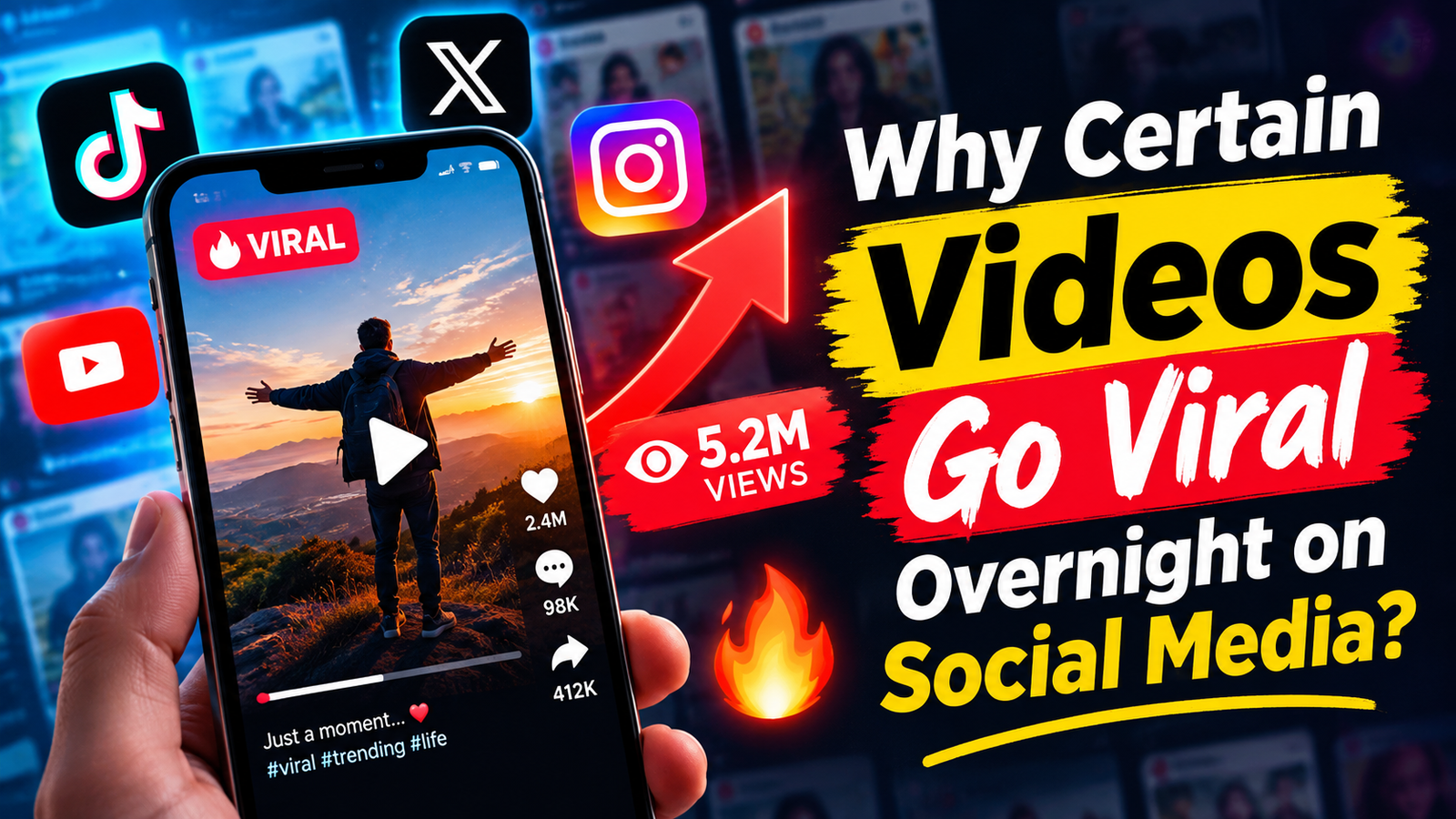
A video can reach millions of viewers overnight while a similar post gets almost no attention. That gap looks random, but viral success usually comes from several forces working together: emotional impact, timing, audience behavior, platform distribution, and ease of sharing.
There’s no single secret trick. A video spreads fast when early viewers watch for longer, finish or replay it, react strongly, and send it to others. Those signals can prompt recommendation systems to test the post with wider groups. The result is a rapid rise in reach that may seem sudden, even though the momentum builds step by step.
Why Certain Videos Go Viral Overnight on Social Media
High-arousal emotions encourage rapid sharing
Surprise, amusement, anger, awe, inspiration, and curiosity can push viewers to act. People share strong reactions because the video gives them something to say, supports an opinion, or helps express part of their identity.
High-arousal emotions create movement. A funny mistake may prompt a tag, while an inspiring act may earn a repost. Low-arousal emotions, such as mild sadness or calm interest, can lead to passive viewing without many comments or shares.
The strongest videos often deliver an emotional payoff within the opening seconds. A shocking reveal, unusual visual, bold claim, or funny line tells viewers that staying may be worth their time.
Relatable moments turn private experiences into community content
Videos about awkward meetings, family habits, dating problems, work stress, or cultural references can spread because viewers recognize themselves. The central idea doesn’t need to be complex. It needs to be easy to understand without much background.
Relatability also fuels comments. Viewers add their own stories, tag a friend who behaves the same way, or debate whether the situation is accurate. A personal moment becomes shared content when many people can place themselves inside it.
Surprise and payoff keep viewers watching
Unexpected reversals, visual reveals, transformations, punchlines, and satisfying endings create a reason to stay. A delayed payoff can raise completion rates when viewers want to discover what happens next.
Make the promise clear near the start. Show the problem, hint at the result, or reveal the outcome before explaining it. Then deliver the payoff without long setup or unrelated footage.
Retention Signals Push Videos Into More Feeds
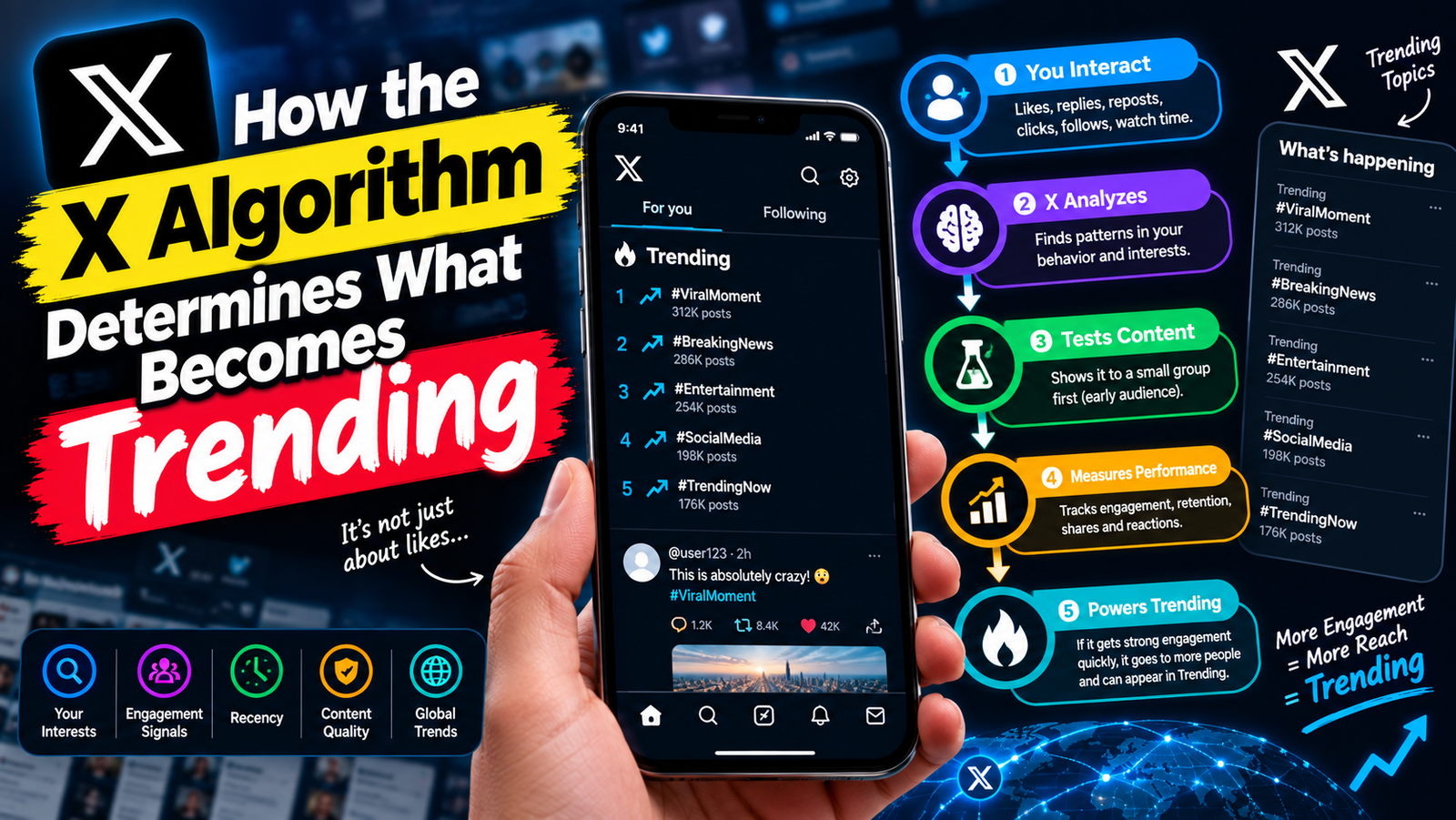
Social platforms assess how people respond to content before deciding whether to recommend it more widely. Each platform uses its own ranking systems, and those systems change over time. Still, strong viewer behavior often comes before high reach.
The opening seconds decide whether viewers stay
The first frame can show a visible result, a moving subject, a surprising statement, or a question that needs an answer. Long greetings, logos, and slow introductions give viewers a reason to swipe before the main idea begins.
Useful opening structures include starting with the outcome and explaining it afterward, showing an incomplete process, or presenting a claim that viewers want to test. “This took three tries to fix” creates a clear question. “Watch what happens when…” creates a reason to continue.
Watch time, completion, and replays reveal interest
Total watch time shows how much attention a video earns overall. Average view duration shows how long people stay, while completion rate reveals how often they reach the ending. Repeat views can signal dense visuals, layered jokes, or a naturally satisfying loop.
Short videos often benefit from full completions. Longer videos need steady retention across the whole story. A looped ending can encourage replays, but it should feel natural rather than forced.
Shares, saves, comments, and follows extend reach
Shares suggest that viewers believe someone else will value or react to the video. Saves point to future use, while comments often show emotional involvement, debate, or a desire to add context. Follows indicate that one video converted attention into lasting interest.
Design for a meaningful response instead of writing “comment below.” Ask viewers to choose between two options, share a related experience, or send the post to someone who faces the same problem.
Platform-Native Design Helps Content Travel Faster
A video built around each platform’s viewing habits has a better chance of holding attention. Cross-posting the same file everywhere may save time, but deliberate repackaging often works better because audiences respond to different formats, sounds, captions, and discovery tools.
Mobile-first production removes viewing friction
Vertical framing, close shots, readable captions, clean audio, and strong lighting help viewers understand content on a small screen. Keep the main subject away from areas covered by buttons, captions, profile details, or other interface elements.
Use this quick production check before publishing:
- Start with an attention-grabbing first frame.
- Keep text large, brief, and high contrast.
- Place key details away from the screen edges.
- Test the video with sound on and off.
Native features invite participation
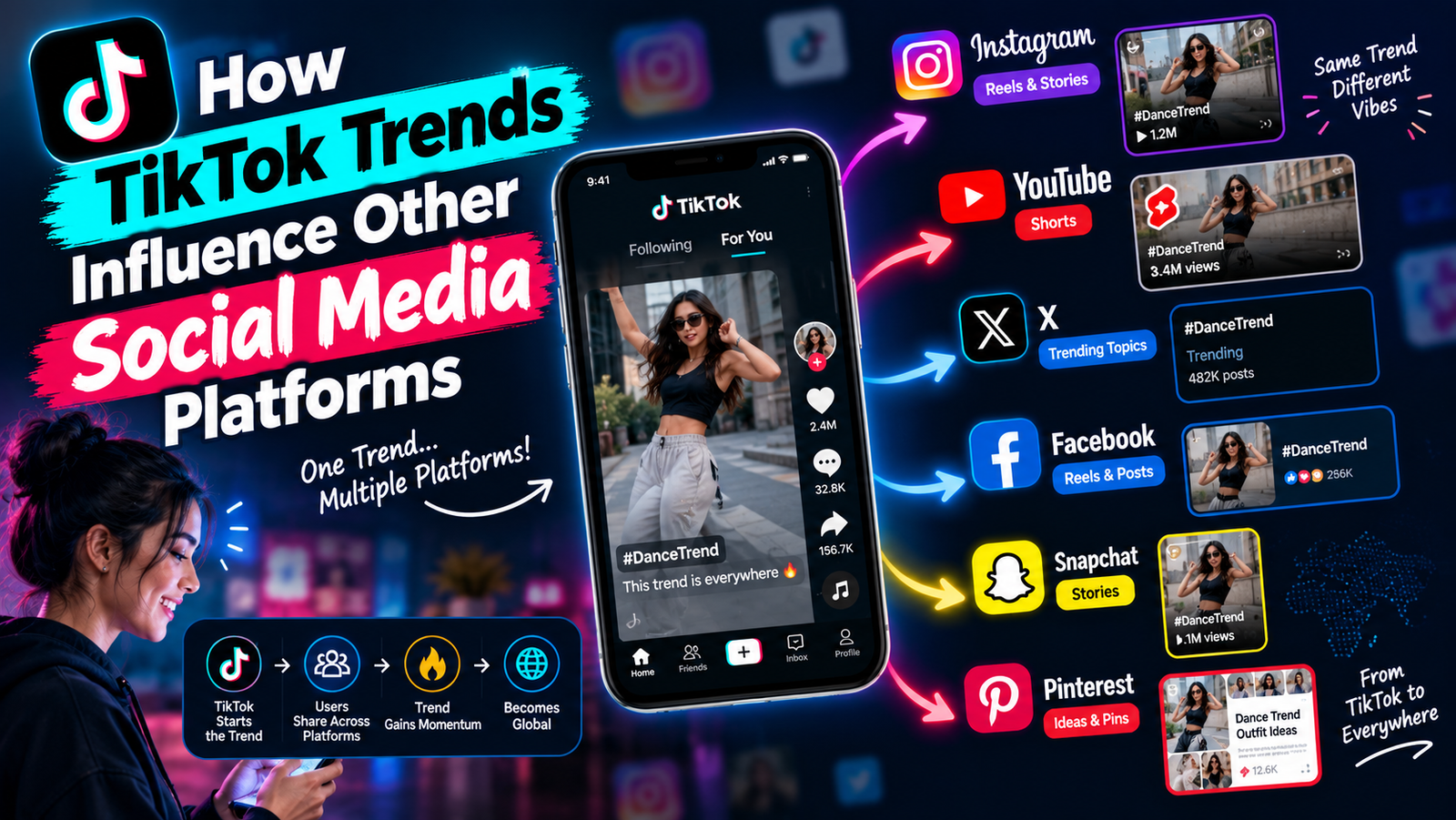
Remixes, duets, stitches, templates, sounds, effects, polls, and collaborative posts make content easier to answer or adapt. They also place a video inside an active conversation instead of leaving it as a one-way post.
Trends work best when they carry a distinct idea. Copying a popular format without adding a useful angle may earn a few views, but a clear niche, joke, lesson, or opinion gives people a reason to share it.
Captions and metadata add useful context
Spoken keywords, on-screen text, captions, descriptions, hashtags, and relevant audio help platforms understand a video’s subject. They also help viewers who watch without sound, which can improve comprehension and reduce early exits.
Use precise language about the topic and audience. A caption such as “three budget meals for college students” gives more context than a group of broad, unrelated hashtags.
Timing and Cultural Context Create Sudden Momentum
A video may take off because it connects with a current trend, seasonal habit, breaking event, product launch, sports moment, or shared public mood. Timing increases relevance, but it cannot rescue weak editing or poor retention.
Trends provide built-in attention
Popular sounds, memes, challenges, and recurring jokes give new videos a ready-made context. Watch for whether a trend is emerging, established, or saturated. Early participation can bring attention, while late participation may require a stronger twist.
Monitor trend pages and creator activity, then adapt the format to a clear niche or audience need. The sound is only the doorway. The idea must still work without the trend.
Fast reactions can feel immediate
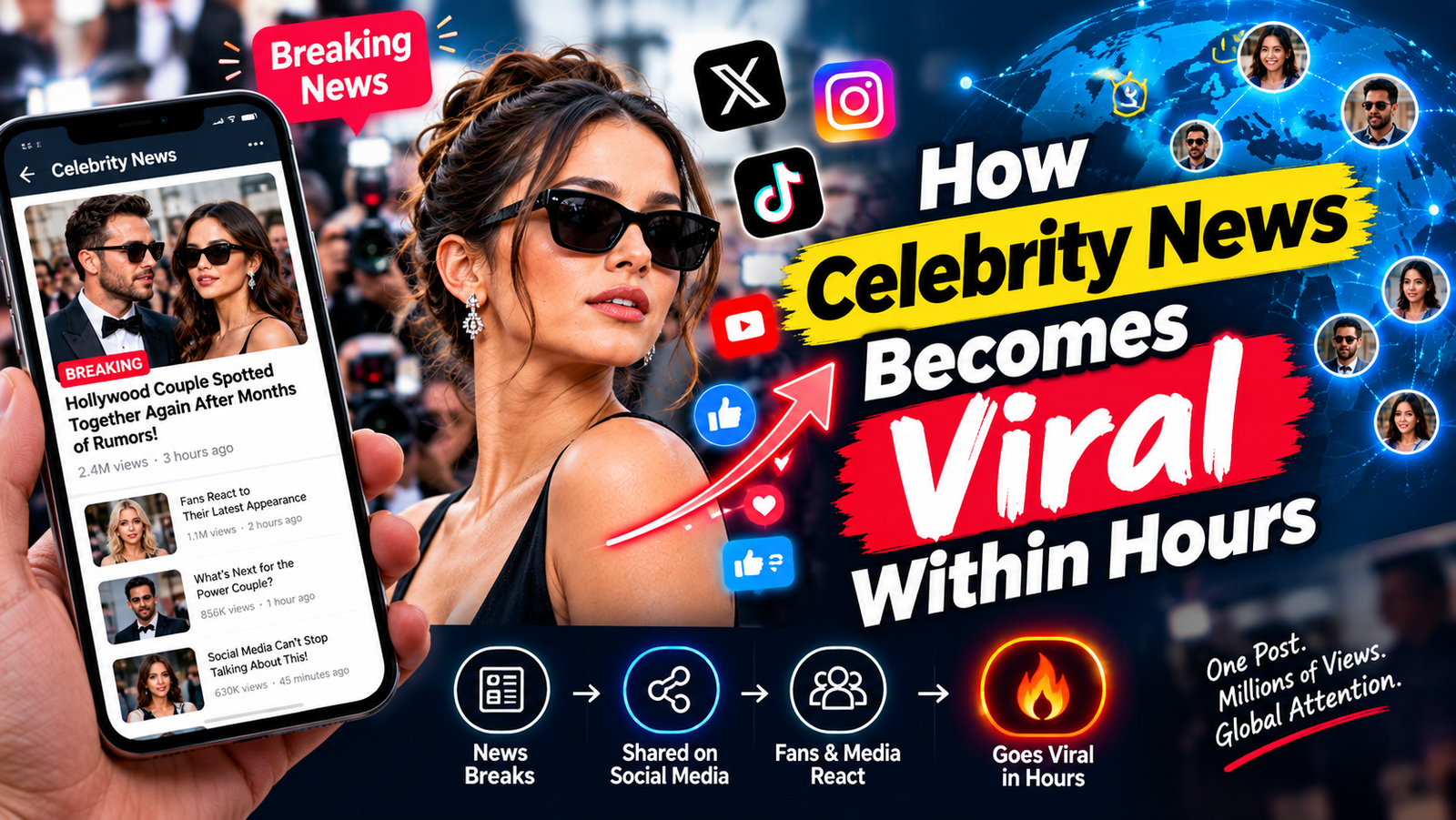
Quick, original responses to entertainment news, sports results, product launches, or public conversations can benefit from strong timing. The video should remain understandable to people who encounter it without the original post or event.
Check facts before publishing, and avoid using sensitive events as cheap bait. Speed matters, but trust affects whether viewers keep following and sharing your work.
Audience activity shapes the first test
Publishing when your target viewers are active may improve the first wave of engagement. Use platform analytics to study when followers watch and respond, then compare different posting windows while keeping the topic, format, and quality as consistent as possible.
Timing alone doesn’t create viral videos. It gives a strong post a better chance to meet interested viewers early.
Shareability Turns One View Into a Chain Reaction
Viral videos often spread through private messages, group chats, reposts, embedded posts, and public shares. Recommendation systems matter, but people remain the ones who move content between connected groups.
Videos communicate identity and relationships
People share content that says, “This is exactly how I feel,” “This reminds me of you,” or “This represents our community.” Tags and direct messages can carry a video into tightly linked audience clusters, where several people may react at once.
That social meaning often matters more than production quality. A polished video can fade, while a rough clip with the right emotional message travels for days.
Practical value gives content a longer life
Tutorials, recipes, demonstrations, checklists, product guides, and problem-solving videos earn saves and forwards because viewers expect to need them later. Useful posts can keep gaining reach after a trend has ended.
Make the value clear in the title, opening visual, or first spoken sentence. “Fix a loose cabinet hinge in two minutes” gives viewers a reason to stay before the tutorial begins.
Clear ideas survive beyond one platform
Videos with strong visual storytelling and concise captions are easier to repost, embed, translate, and discuss elsewhere. Avoid heavy dependence on platform-specific jokes when broader distribution is a goal.
Repurposing still requires permission, creator credit, and respect for copyright rules. A video can spread farther without losing its original source.
Viral Success Combines Creative Quality With Distribution Luck
Creators can improve the odds of rapid reach, but no formula guarantees overnight virality. Audience fit, timing, recommendation tests, influencer attention, reposts, and outside events can all change the result.
Early response can trigger wider testing
Platforms often show new content to an initial group, measure viewing and response, and expand distribution when performance stays strong. No single metric guarantees amplification, and systems differ by platform.
A video may accelerate hours after posting if a later audience responds better than the first group. One repost, community mention, or influential share can also send fresh viewers to the original content.
Community adoption can multiply reach
The 2022 “Corn Kid” surge began with Tariq’s interview on Recess Therapy. The Gregory Brothers turned parts of that interview into the “It’s Corn” song, while reposts, remixes, and public attention pushed the idea across platforms.
The “Renegade” dance shows why credit matters. Jalaiah Harmon created the routine, first sharing it on Dubsmash, while popular TikTok posts helped spread it widely. The song by K Camp and the dance later appeared in millions of user videos, but the creator and the accounts that popularized it were not the same.
Post-publication data reveals useful patterns
Review retention by timestamp, completion rate, rewatch rate, shares per view, saves per view, follower conversion, traffic sources, and audience demographics. Find the exact moment viewers leave, then compare highly shared videos with highly viewed ones.
Record recurring hooks, topics, lengths, and formats. Repeat the underlying principle, such as a strong reveal or useful promise, instead of copying a surface trend.
Conclusion: Viral Videos Win Attention and Invite Distribution
Videos go viral overnight when several conditions meet: immediate attention, strong retention, emotional or practical value, mobile-friendly design, timely relevance, natural shareability, and favorable distribution.
You can’t control every variable, but you can strengthen the first one to three seconds, add captions, deliver a clear payoff, adapt each upload to its platform, and publish when your audience is active. Track shares, saves, rewatches, and retention, then test consistently instead of chasing every new trend.
The core principle is clear: videos spread fastest when viewers do more than watch. They finish, replay, discuss, save, and pass them along.