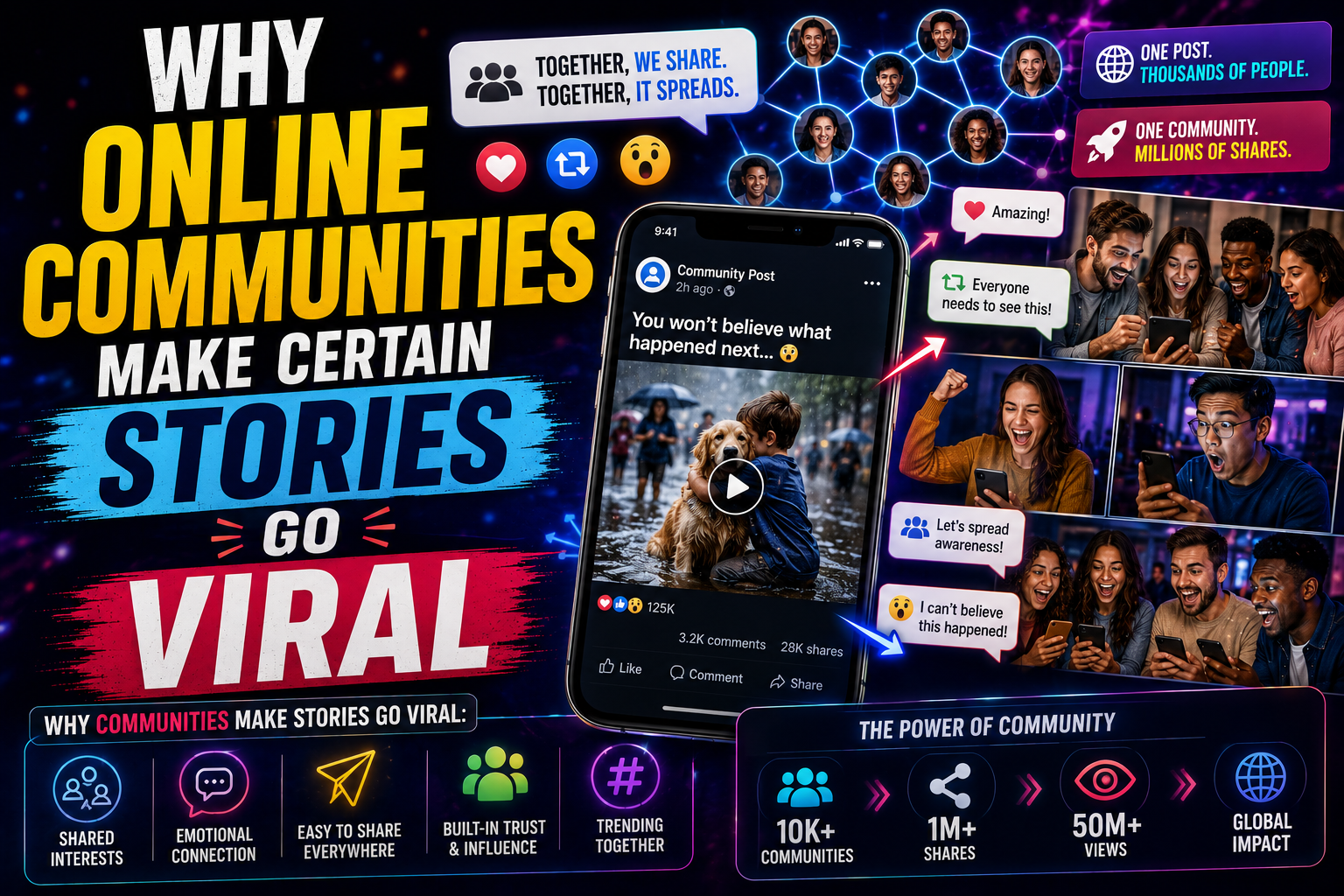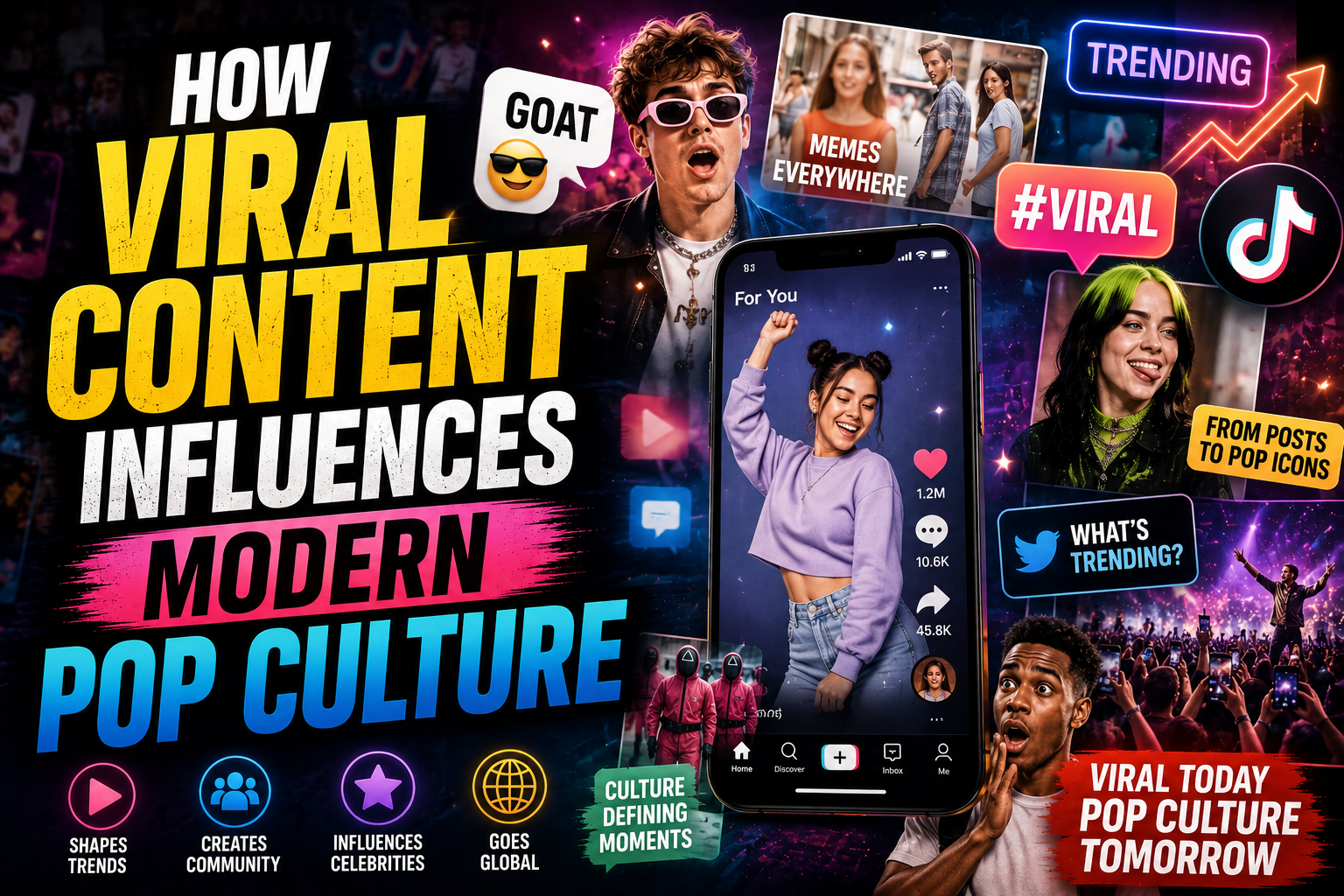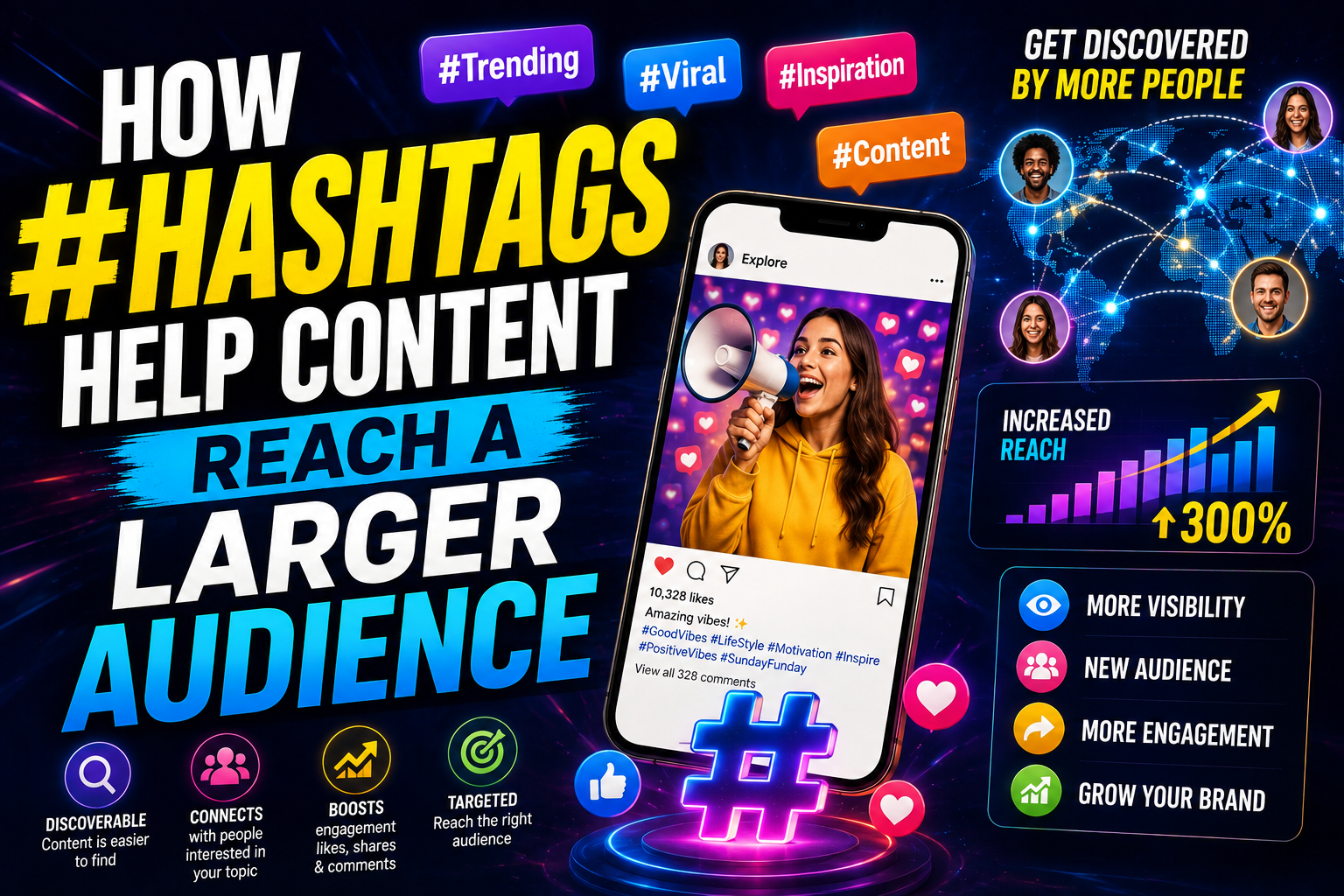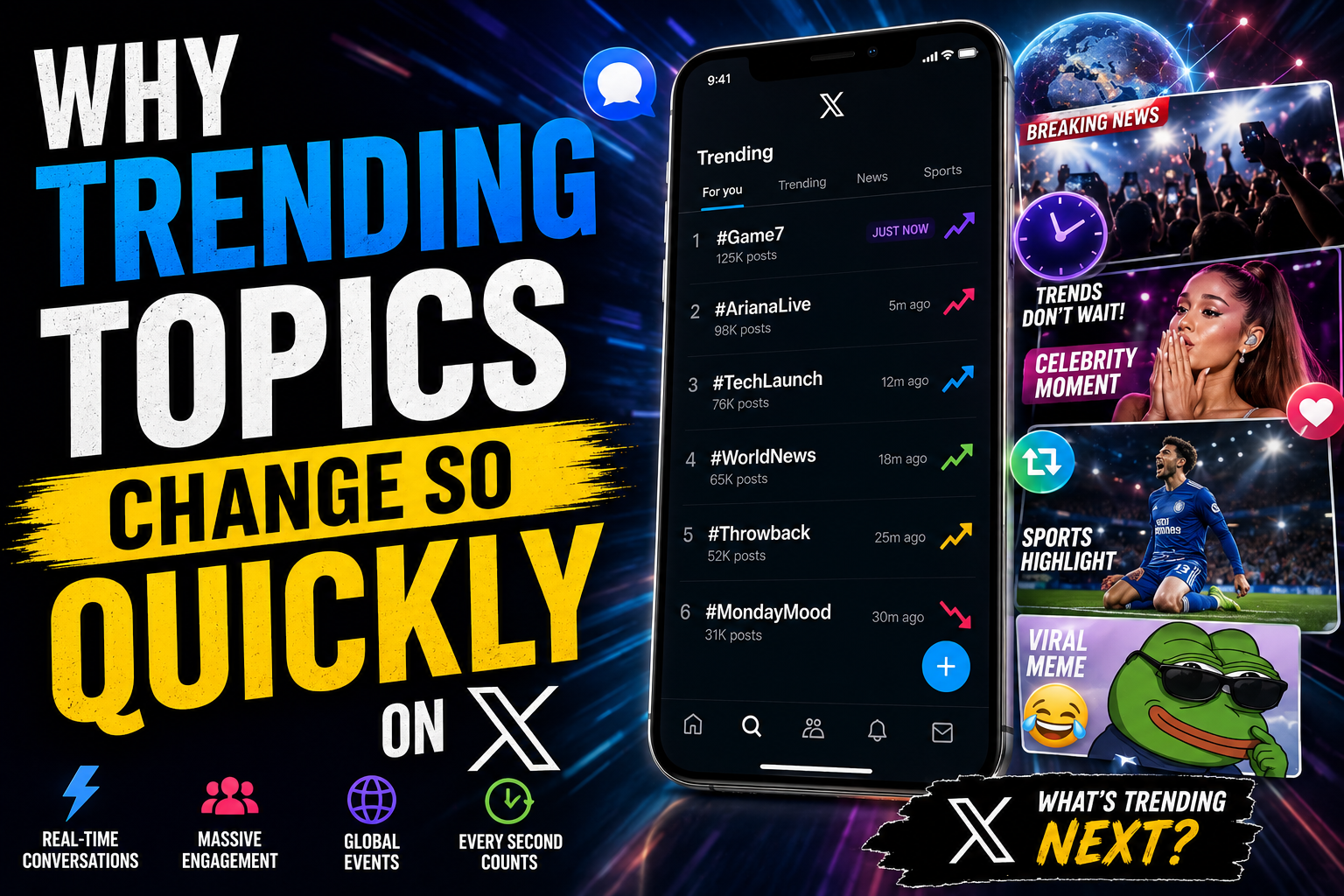

A dance, hashtag, challenge, or meme can move from one post to global participation within hours. The biggest viral internet trends that changed social media did more than entertain people. They changed how we share news, build groups, support causes, and discover products.
These trends also changed the basic design of social platforms. Algorithms now reward watch time and sharing, creators compete with publishers, brands speak in memes, and hashtags can push private stories into public debate.
This article follows the key shifts: viral video challenges, meme culture, hashtag activism, short-form video, creator-led communities, and the growing fight between participation and misinformation. Examples include the Ice Bucket Challenge, Harlem Shake, Gangnam Style, #MeToo, #BlackLivesMatter, and TikTok trends.
Viral Internet Trends Turned Participation Into Global Events
The Ice Bucket Challenge Linked Virality With Fundraising
The 2014 ALS Ice Bucket Challenge turned a short video into a worldwide charity campaign. People poured ice water over themselves, tagged friends, and challenged them to take part or donate.
The ALS Association reported that about 17 million people participated and the campaign raised roughly $115 million in 2014. Celebrity participation helped the trend spread, but its structure made ordinary users important too.
The format worked because it needed little equipment, created social pressure, and carried a clear purpose. Humor made the videos easy to watch, while donations gave participation a real outcome.
Repeatable Formats Made Users Part of the Story
The Harlem Shake showed how a repeatable video template could invite mass imitation. One person appeared calm before a sudden cut revealed a group dancing in costumes or acting wildly.
Parody gave users room to change the setting, cast, and joke. That creative control helped people feel like contributors rather than viewers. Challenges also made user-generated video a normal way to communicate.
Copycat culture brings risks. Dangerous stunts, false charity claims, and stripped-away context can spread as quickly as harmless jokes. Before joining a challenge, check its purpose, look for safety risks, avoid extreme versions, and confirm charity claims through a trusted organization. Participation may be organic, coordinated by a campaign group, or paid for by a brand.
Memes Became the Shared Language of Viral Internet Trends
Reaction Formats Made Ideas Easy to Share
Captioned images, reaction GIFs, screenshots, and short clips compress feelings into familiar formats. A single image can express disbelief, approval, anger, or awkwardness without a long explanation.
Memes reduce the effort needed to respond. Their meaning depends on timing, cultural knowledge, and audience context, which explains why one meme can feel sharp on Reddit but forced on a corporate Instagram account.
Gangnam Style also showed how a music video could become a shared internet event. Its dance, bright visuals, and easy-to-copy moves helped audiences turn a song into a participatory trend.
Remix Culture Gave Influence to Participants
Users became editors, comedians, critics, and distributors. They respond to news, politics, films, and brand posts by changing the original material and adding a new point of view.
A template can travel across Reddit, X, Instagram, Facebook, TikTok, and private chats. Remixing can support commentary, but creators still need to consider copyright, credit, and fair use. A transformative joke is different from reposting someone else’s work without permission.
Brands that use memes need cultural awareness and speed. They should understand where a format came from, avoid copying marginalized communities, and judge success through sentiment and brand fit, not reach alone.
Hashtag Movements Turned Social Media Into a Public Forum
#MeToo Made Shared Testimony Visible
Activist Tarana Burke created the “me too.” movement before the hashtag gained wide attention in 2017. The social-media surge helped people show that harassment and assault were widespread patterns, not isolated stories.
Hashtags made testimony easier to find and connect. Journalism, survivor networks, and institutional action helped turn online visibility into public pressure. The Me Too Movement, major investigative reporting, and academic research offer stronger records than unsupported viral posts.
Hashtags Supported Protest and Crisis Communication
#BlackLivesMatter and #ArabSpring showed how hashtags could help people find updates, eyewitness accounts, resources, and calls to act. Social media amplified existing organizers and communities; it did not create those movements alone.
Hashtags also support fundraising, disaster alerts, elections, and public-health messages. During fast events, users should check dates, locations, original sources, and independent reports before resharing.
Online support has limits. A post may raise awareness without changing policy or helping affected people directly. Responsible participation means reading beyond the hashtag, amplifying voices closest to the issue, checking claims, donating or volunteering when possible, and taking useful action offline.
Short-Form Video Rebuilt Discovery Around Algorithms and Creators
Musical.ly and TikTok Lowered the Barrier to Virality
Musical.ly helped popularize lip-sync and performance videos before its integration into TikTok. TikTok expanded the format with sounds, editing tools, effects, duets, stitches, and a recommendation feed.
Users could gain views without a large follower base. TikTok reported reaching 1 billion monthly active users in 2021 in a company announcement, a figure tied to that year rather than a current count.
“Old Town Road” by Lil Nas X showed how TikTok-era circulation could help a song reach mainstream audiences. Labels, artists, and creators began shaping clips for reuse, imitation, and dance-based discovery.
Recommendation Feeds Replaced Follower-Only Distribution
Older social feeds placed greater weight on accounts users already followed. Recommendation feeds predict what people may watch, replay, complete, share, or discuss, though each platform uses different ranking systems.
Watch time, completion rate, replays, comments, shares, and user interests can affect reach. This lowers the entry barrier for new creators, but it also makes success more dependent on changing platform rules.
Trend research should track the original creator, check whether a sound is rising or saturated, and credit the source. Adapting a format is fairer than copying another creator’s work line for line.
Creator Culture Turned Attention Into a Career Path
Viral Breakouts Created New Routes to Audience Growth
One strong video, thread, meme, or livestream can now build an audience faster than traditional media once allowed. Creators act as entertainers, teachers, reporters, sellers, and community leaders.
Income may come through sponsorships, affiliate links, memberships, podcasts, newsletters, merchandise, livestreams, or platform programs. Viral reach still does not ensure loyal viewers or stable pay.
Influencer Marketing Became More Measurable
Brands value creators because niche communities often trust them more than broad celebrity ads. Sponsored posts, affiliate sales, product placements, and in-app shopping made creator marketing easier to track.
The U.S. Federal Trade Commission’s Endorsement Guides require clear disclosure of material connections. Creators should label paid partnerships, disclose affiliate links, and keep honest opinions. Brands should study audience quality, retention, and sentiment rather than follower counts alone.
Platform dependence makes creator income fragile. Algorithm changes, demonetization, bans, and policy shifts can cut reach without warning. Email lists, websites, several platforms, and direct customer relationships give creators more control. Useful measures include returning viewers, sign-ups, conversion rate, revenue by source, and audience retention.
Why The Biggest Viral Internet Trends That Changed Social Media Still Matter
Emotional Posts Often Outrun Careful Explanations
Surprise, humor, fear, anger, and identity can encourage quick sharing. Research on online diffusion, including work discussed by MIT, shows why emotional content often gains attention, though no single emotion guarantees virality.
Strong framing can make a complex issue easier to notice while leaving out key facts. Popularity is a signal of attention, not proof of accuracy. Check dates, primary documents, context, and reporting from more than one trusted outlet.
Misinformation Can Spread Before Corrections
False or misleading posts often appear during breaking news, elections, health crises, and disasters. Warning signs include anonymous claims, cropped screenshots, emotional captions, false urgency, and missing primary evidence.
The Reuters Institute, Pew Research Center, MIT, and platform transparency reports provide research on news habits and online spread. A quick check helps: pause before sharing, find the original source, compare credible outlets, use reverse-image search when needed, and check established fact-checking groups.
Views, likes, and reposts measure attention. Better measures include informed action, donations, community support, audience trust, and lasting behavior change. Social media rewards speed, but users still choose whether speed controls their judgment.
Conclusion
The biggest viral internet trends that changed social media created a lasting playbook. The Ice Bucket Challenge made participation a fundraising tool. Harlem Shake and meme formats turned imitation into creative expression. #MeToo and #BlackLivesMatter showed how hashtags can connect testimony, protest, and public pressure.
TikTok made algorithmic discovery central, while creator culture turned attention into work and business. Virality also brought safety risks, shallow activism, commercial disclosure issues, and misinformation.
Treat trends as distribution tools, not proof of truth. Credit original creators, verify claims, and measure outcomes beyond views. Build audiences across platforms instead of relying on one feed. Future trends will move faster through video, messaging, shopping, and new technology, but participation, imitation, identity, emotion, and network effects will keep driving them.